
Ama Yangri Trek

36 Reviews
16 Reviews
  • Private
  • Family
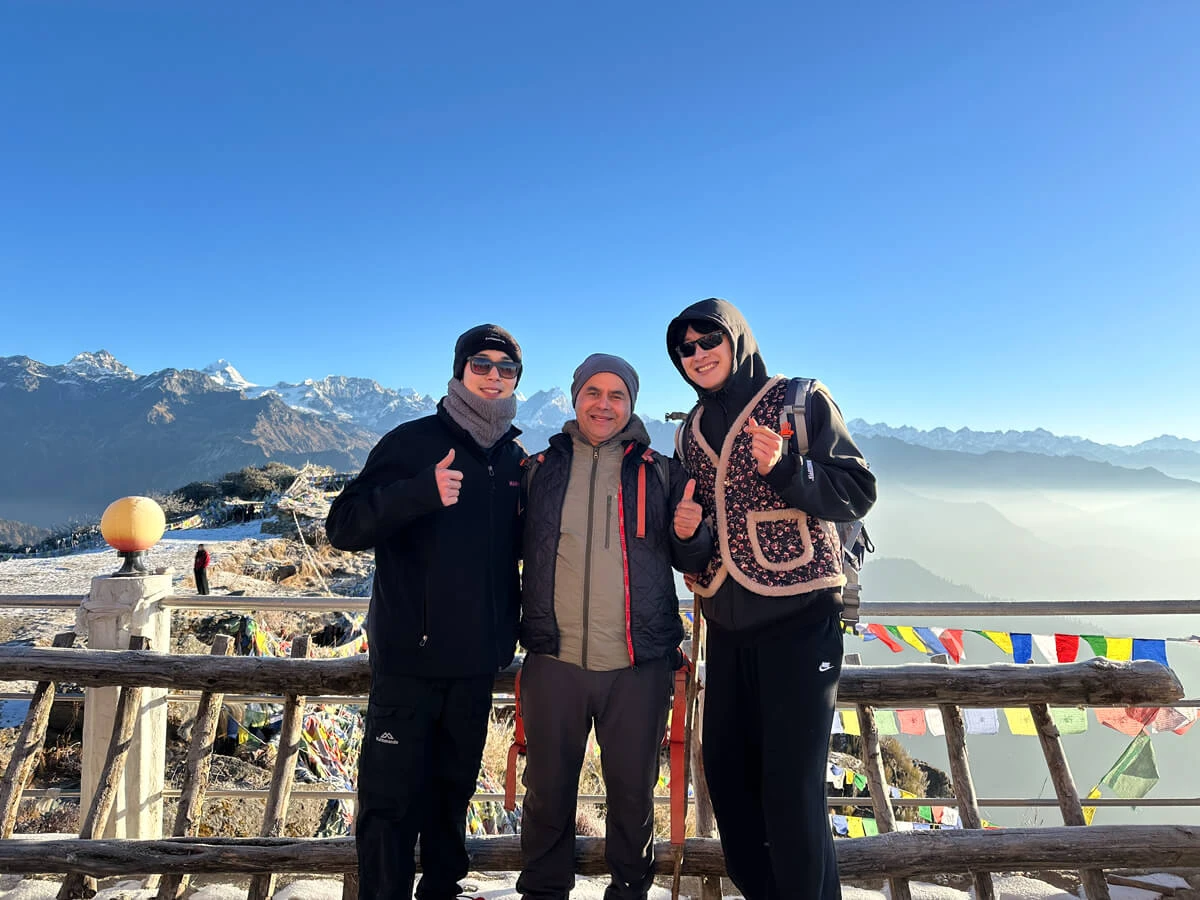
Trekkers at Ama Yangri Peak; Stunning Himalayan View
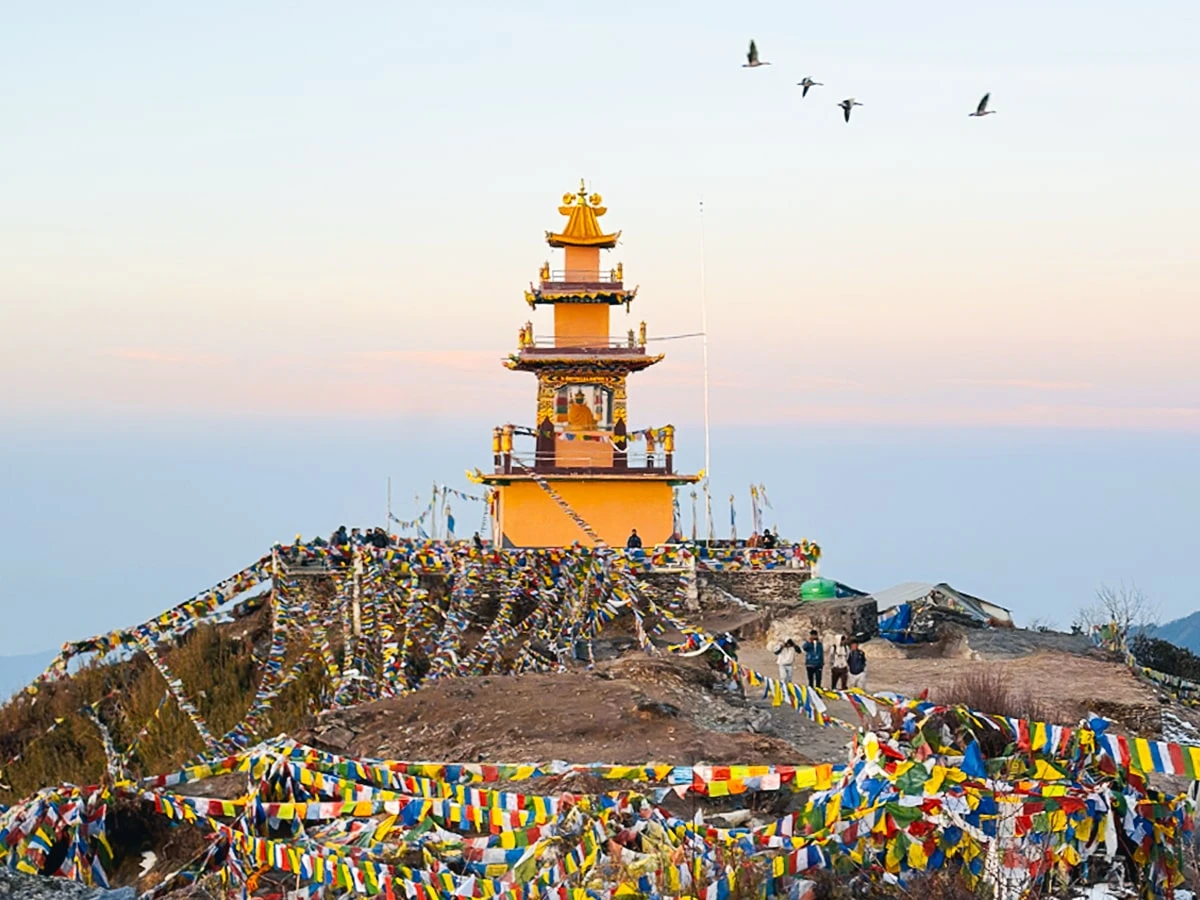
View from Ama Yangri Peak
Sunrise view from Ama Yangri Peak
Duration2 Days
Trip GradeModerate
Maximum Altitude3,771 meters
ActivitiesDrive & Trekking
Group Size2-12
StartsKathmandu
EndsKathmandu
Best TimeAround the year

Highlights of the Ama Yangri Trek

  • Reach a revered 3,771-meter summit for sweeping views of the Langtang and Jugal Himals
  • In the calmer Helambu area, you can hike through Sherpa villages and alpine forests
  • The sunrise over snow-covered hills was worth the early-morning push to the top
  • Feel the real warmth of a teahouse in Tarkeghyang village
  • Finish the hike in just two days, which is great for people who are short on time
  • Ascend gradually from Tarkeghyang to base camp to allow for natural acclimatization
  • Experience a mix of Buddhist culture and high-altitude hiking without having to know how to climb
  • Get back to Kathmandu the same day you climb the peak; it's quick and worthwhile

A Brief Look at the Trek

The Ama Yangri Trek is a short highland trail in Nepal's Helambu area. The peak of Ama Yangri is 3,771 meters high. This trip starts at the Sherpa settlement of Tarkeghyang, which is 2,600 meters above sea level, and goes uphill for about 8 kilometers over two days.

This path is good for moderately fit trekkers who want to see the Himalayas from the top without committing to a week-long trip. For people who have never been on a high-altitude walk before, the manageable distance and elevation gain are great. For experienced hikers, the short distance and chance to experience another culture are great.

Why Should You Pick This Trek in 2026?

The infrastructure of the Helambu trails has been getting better over the last few years. Now that vehicles can get to Tarkeghyang reliably, hikers can spend more time on the mountain and less time on the long roads that lead up to it. But compared to the Annapurna or Everest routes, the area is still not too crowded.

In 2026, this walk is a good option for people who want to get to higher elevations and see more without having to deal with complicated permit issues or large crowds on busier routes. The trail is stable all year, and the local teahouses have changed to meet the needs of foreign trekkers while still keeping their traditional look.

What's Unique About This Trek?

The pre-dawn start is what most hikers recall: heading out into chilly darkness with flashlights, then viewing the eastern sky change from black to violet as you ascend. As soon as you reach the summit slope, the first rays of sunlight hit the Langtang peaks, making all your hard work pay off.

The speed is important here. You're not rushing through towns to get where you need to go on time. Instead, you stay in Tarkeghyang for the afternoon, watch how people in a Sherpa village go about their daily lives, and get ready in your mind for the early morning push. The climb to the top isn't difficult, but it takes quite some time and is steady uphill on clear trails.

When you get back to base camp, the hot food tastes even better than it should. Then the experience really sinks in: you've reached the top of a Himalayan peak, you've been a part of a living culture, and you'll be sleeping in Kathmandu that same night.

A Quick Look at the Route

Day 1: Drive from Kathmandu (1,400m) to Tarkeghyang (2,600m) and then walk to Ama Yangri Base Camp (3,200m).

With a stop for lunch in Helambu, the drive takes about 5 to 6 hours. It takes about two hours to walk through a rhododendron and pine forest from Tarkeghyang to base camp. Base Camp can be reached by vehicles, but walking from Tarkeghyang helps you get used to the altitude and lets you acclimate slowly.

Day 2: Base Camp to Ama Yangri Summit (3,771m) and back to Base Camp. Then, go to Tarkeghyang and then to Kathmandu.

Get up at 4 AM for hot water and light snacks before the 2.5-hour climb to the top. After seeing the morning and having some free time at the top, go back to base camp for breakfast. Then, hike back to Tarkeghyang and drive to Kathmandu, where you should arrive around 6 PM.

The best time to hike

Season Months Description
Spring March to May The best time to visit is now, when the skies are clear and the rhododendrons are in bloom. The temperatures are about average, and you can see very well from the top. But paths may be busier in the summer
Autumn September to November The weather is just as nice, with cool air and stable conditions after the rain. This is the next-best time to go on the trip
Winter December to February It's cold, but you can do it. At night, it gets well below freezing at base camp, and snow may fall above 3,000 meters. Less hiking means quieter trails, but you need to bring the right gear for cold weather
Monsoon June to August Not a good idea. Heavy rain, leeches, and views of mountains that aren't clear make the trip less enjoyable. The trails might get slippery and hard to figure out

Plan your trip for late March to early April or October to early November for the best weather and summit photos.

In 2026, what Can We Expect?

The trails on the Ama Yangri route are in good shape. The main roads are now clearly marked, and the signs in the area have been improved. The facilities at base camp have grown a little. The bigger teahouses have better insulation and more reliable kitchens.

Connectivity is still weak at high elevation, which is something that many hikers like. In Tarkeghyang, cell phone connections work sometimes, but not at all above base camp. This is a good way to disconnect from computers and plans.

Compared to the Annapurna Base Camp or Everest Base Camp trips, there aren't as many people here. During the busy season, there may be 10 to 15 other hikers at base camp, but the paths never feel crowded. But, sometimes during the peak seasons, you will get along with hundreds of Nepali trekkers on the route. Small groups can spread out on the summit ridge and watch the morning without having to fight for a spot.

Safety rules have gotten better. Most guides carry simple first aid kits, ways to communicate, and plans for getting out of the area. Because this route is close to Kathmandu, emergency reaction times are short if needed, but serious accidents still don't happen very often on this route.
Itinerary

This schedule shows a realistic time frame based on a moderate pace of walking and average trail conditions. The number of hours you walk is only a guess and can change based on how fit you are, the weather, and acclimatization needs. Your guide will change the pace of the hike to make sure everyone is safe and comfortable. As stated in the description for each day, all meals and lodging are included.

Trip PlanExpand All

8:00 AM: Leave Kathmandu in the morning

Your guide will pick you up at your hotel in Kathmandu about 8 AM. The route goes northeast out of the Kathmandu Valley, passing past terraced slopes and tiny villages.

  • Kathmandu Elevation: 1,400 meters above sea level
  • Tarkeghyang Elevation: 2,600 meters above sea level
  • Drive Time: 5 to 6 hours
  • Road Conditions: Winding mountain roads with beautiful views of the valley

12:00 PM: Lunch Stop in Helambu

You'll go through the lower Helambu area, where you'll see traditional stone dwellings and stupas covered with prayer flags. You stop for lunch at a local eatery around noon.

  • Meal Options: You can choose between dal bhat, noodles, or fried rice for your meal
  • Time to rest: 30 to 45 minutes
  • Chance to stretch and get ready for the hike in the afternoon

1:00 PM: Arrive in Tarkeghyang in the early afternoon

The trip goes up to Tarkeghyang, which is 2,600 meters above sea level, after lunch. The Sherpa settlement is on a hill and has views of the valley below. There are a lot of stone homes around a central monastery, and the air is much cooler and thinner than in Kathmandu.

Things to see in Tarkeghyang:

  • Go to the village monastery, which has prayer wheels and Buddhist paintings
  • Watch how people live in the area, like their terraced fields, yak herds, and everyday activities
  • Get up and stretch your legs to get used to the high altitude

Time Available: About an hour before the hike starts

3:00 PM in the middle of the afternoon - Hike to Base Camp Starts

You start the two-hour hike from Tarkeghyang to Ama Yangri Base Camp at 3,200 meters around 3:00 PM.

  • Trek Length: 2 hours
  • Altitude Gain: 600 meters
  • Type of Trail: Gradual climb through a mixed woodland
  • Plants: Rhododendron, pine, and oak trees
Why not walk instead of drive? You can drive to base camp, however it's highly suggested that you walk there from Tarkeghyang. This hike lets your body get used to higher altitudes slowly, which lowers the chances of getting a headache or feeling sick. The physical work warms up your muscles and gets you ready mentally for the push to the top before daylight.

Late afternoon is from 4:00 to 5:00 PM - Arrival at Base Camp

You get to Ama Yangri Base Camp in the late afternoon. The teahouse is in a small clearing that is bordered by larger trees. From there, you can see the ridgeline above.

What goes on in base camp:

  • Check into your room, which has twin beds, warm blankets, and a common bathroom
  • Get your summit gear ready and organized
  • Get warm in the dining room with others
  • Take a break and drink some water before dinner

Evening: 6:00 to 7:00 PM - Dinner and a briefing for the summit

Dinner is usually dal bhat, vegetable curry, soup, and tea, and it is served about 6 or 7 PM. People from different groups who are hiking come together in the dining room, where they talk about anything from the state of the trails to their plans for the summit.

Your guide will tell you about:

  • Wake up at 4 AM
  • What to bring to the summit: layers, a headlamp, drink, and snacks
  • The route to the summit and what the weather will be like
  • Early sleep advice (most trekkers go to bed around 8 PM)
Max Altitude: 3,200 meters Meals: Lunch & Dinner IncludedAccommodation: Basic Mountain Guesthouse

Before dawn: 4:00 AM - Wake-up call

Your guide comes to your door at 4 AM. The base camp is dark and quiet, with only the sound of other hikers getting ready.

What to wear:

  • Layers of clothing, wool, and a down jacket
  • Warm hat and gloves
  • A headlamp with new batteries is a must
  • Early in the morning, it is almost freezing

4:30 AM: Light snacks and hot water

You all meet in the dining room for hot tea, water, and small snacks like toast, energy bars, or cookies before you leave. The goal is to get fuel without having to digest a lot. Before going outside into the cold darkness, your guide checks your gear, lights, and layers.

5:00 AM: Ascent to the summit starts

From base camp to the top, the road is steep but clear. You go up and down slopes that take you through alpine bushes and rocky outcrops.

  • Time to Summit: 2.5 hours
  • Altitude Gain: 571 meters
  • Pace: Step, breathe, step, breathe—slow and steady
  • Trail Conditions: Rocky but walking; well-marked
How it feels to climb: The world is just your headlamp's beam for the first hour. The cold hurts the skin that's not covered, and you add layers as you get warmer. The stars are bright and clear in the sky. The eastern sky gets lighter over time, going from gray to pale blue to orange and pink hints.

6:30 AM: Summit Ridge

It takes about 2.5 hours of climbing to get to the top ridge at 3,771 meters, which you reach around 6:30 AM. The sun comes up over the horizon and shines a golden light on the Langtang and Jugal Himal hills.

What you'll see:

  • Dole Peak, Langtang Lirung, and many other peaks
  • Prayer flags flapping in the wind
  • Views in all directions
  • 15–30 minutes at the top to take pictures, rest, and enjoy the view

7:00–7:30 AM: Return to Base Camp

As soon as everyone is ready, the fall starts. When you go downhill, you have to pay more attention because loose rocks and tiredness make it more likely that you will trip. When you fall, trekking sticks can help protect your knees and ankles. You'll be back at base camp in an hour.

8:30–9:00 AM: Breakfast at Base Camp

By 8:30 or 9:00 AM, you're sitting down for a full breakfast in the dining room.

What is served:

  • Breakfast: eggs, toast, cereal, veggies
  • Coffee and hot tea
  • It's time to rest and think about what happened at the top

Many trekkers say this is the emotional high point: they've reached the top, they're tired but happy, and they're with other trekkers who are feeling the same quiet satisfaction.

10:00 AM: Walk back to Tarkeghyang

You pack up your things after breakfast and start the two-hour journey through the forest. The trees give shade, and the path feels like it has been there before. When you get to Tarkeghyang around noon, the car is already waiting for you.

12:00 PM: Drive Come back to Kathmandu

After a short break in Tarkeghyang, the drive back to Kathmandu starts.

  • Drive Time: 3.5 to 4 hours
  • Route: Roads that wind and go down through Helambu
  • Arrival in Kathmandu: Around 6 PM at your hotel

The difference between Kathmandu's chaos and the quiet top ridge seems strange, but the memories of the sunrise that morning are still clear.

Max Altitude: 3,771 meters Meals: Breakfast & Lunch Included
Couldn't find what you're after?Reach out to our travel experts, who are eager to plan your trip according to your personal travel preferences.
Customize Trip

Cost Details

Included

Kathmandu to Tarkeghyang and back in a private Jeep.

Local guesthouse accommodation in Ama Yangri Base Camp.

Government-authorized, experienced local guide.

Food, accommodation, and wage for guide.

Meals during the trek (2 Lunch, 1 Dinner and 1 breakfast).

First Aid Kit

Service charge and government taxes.

Excluded

  • Meals & accommodation in Kathmandu.
  • Your personal expenses, shopping, etc.
  • Shower and electronic charging/wifi fees at guest house(if applicable)
  • Alcoholic drinks, chocolates, and other packaged bevarages.
  • Tips for guide.
  • Extra accommodation and meals outside of itinerary.
  • Costs from unexpected occurrences (i.e. cancellations, weather problems, damages of property, illness, etc.)

Essential Information

Accommodations and meals

At Tarkeghyang and Ama Yangri Base Camp, there are teahouses where you can stay. Each room is simple but clean, with two twin beds, thick sheets, and a bathroom that everyone uses. Don't expect much warmth—layers and a warm sleeping bag are a must, especially at base camp where it gets cold at night.

Meals are a mix of traditional Nepalese foods and foods that are good for hikers. At every stop, you can get Dal Bhat, which is lentil soup with rice and veggie curry. It gives you the steady energy you need for the altitude. After going down from the peak, having eggs, toast, and hot tea in the morning at base camp becomes a small way to heal.

Most teahouses now have hot showers that you can use for a small fee. The water flow and temperature can be different, though. The food is made from scratch, and cooking hygiene has gotten a lot better over the past few years as more people from other countries visit the area.

Fitness and Difficulty

This hike is not too hard or too easy. From Tarkeghyang to the top, you have to climb about 1,170 meters, which is spread out over two sections. The pre-dawn summit push, which is 2.5 hours of steady uphill on steep trails, is when you gain the most height. The pace is doable if you keep up your basic physical fitness, but the thin air at over 3,700 meters means you need to pay extra attention to your breathing and staying hydrated.

You don't need to know how to climb technically. The trail is clear, and the ground is rocky but doable. When you're going downhill, trekking poles can help, especially when your knees get tired from all the climbing.

Spending the afternoon and night at base camp before trying to reach the peak helps your body get used to the altitude. Still, some trekkers have minor altitude symptoms like headaches or shortness of breath. Your guide will keep an eye on how you're feeling and change the pace as needed. If you've been walking or light jogging regularly for a few weeks, most people can finish this trek without any major problems.

Required Permits

For the Ama Yangri Trek, you don't need any special permissions. Upper Mustang and Manaslu are restricted areas, but the Helambu region is still open to both solo and guided trekkers as of 2026, and there are no TIMS cards or other fees. This makes planning a lot easier and lowers the costs up front.

Natural and cultural highlights

One of the oldest Sherpa towns in the Helambu area is Tarkeghyang. The village is built around a Buddhist temple with worn-out prayer flags and a community of monks who live there. People in the village still farm the old-fashioned way, and you can see terraced fields and yak herds roaming on the edges of the village.

As you climb up to base camp, the path goes through pine, oak, and rhododendron forests. Rhododendrons bloom in bright reds and pinks in the spring, which stands out against the evergreen canopy. A lot of birds live here. You can see Himalayan monals and different kinds of thrushes.

From the top ridge, you can see the Langtang range in the north and the Jugal Himal in the east. If it's clear in the morning, you can make out the shapes of Dorje Lakpa, Langtang Lirung, and a few other, less well-known peaks. Sunrise at altitude eliminates all distractions, leaving only light, crisp air, and the awareness of your position. The moment is silent.

Why Should You Book With Us?

Our guides are Sherpa from the Helambu region who grew up there and know the tracks very well. The pace isn't sped up by our guides; they go at your own pace and put safety and getting used to the altitude ahead of set times.

Because we keep our groups small, you can get one-on-one care. We work directly with teahouse owners to plan logistics, which means that meals are always served on time, rooms are clean, and we treat local communities with care.

We give clear pre-trek instruction that cover how to prepare for high altitude, what to bring, and what to expect. Knowing exactly what each day will bring before you leave Kathmandu will make you feel less stressed and more focused on the experience itself.

Our prices are easy to understand. We don't try to sell you extra services or charge you extra for things you didn't ask for. You only pay what you book, and our guides are fairly paid for their time and knowledge.

Join the 2026 Ama Yangri Trek

The trek is good for people who want to be efficient without giving up experience. You'll reach the top of an Alpine peak, learn about Sherpa culture, and be back in Kathmandu in just two days, which is a mix that you won't find on many other routes.

This is the right path for you if you want to visit Nepal in 2026 and want to do a short trek that gives you a taste of the country's culture, high elevation, and sunrise views without committing to a longer trip.

During the busy season, there aren't many spots available. Book early to make sure you get the times you want and that our experienced guides are available.

You May Also Like

Bhaktapur

Bhaktapur and Patan Tour

Starting from
US$25
Explore
Boudhanath Stupa

Kathmandu Heritage Tour

Starting from
US$25
Explore
Need Help? Call Us.+977 9841869254