Annapurna Base Camp Trek from Pokhara

36 Reviews
16 Reviews
  • Private
  • Family
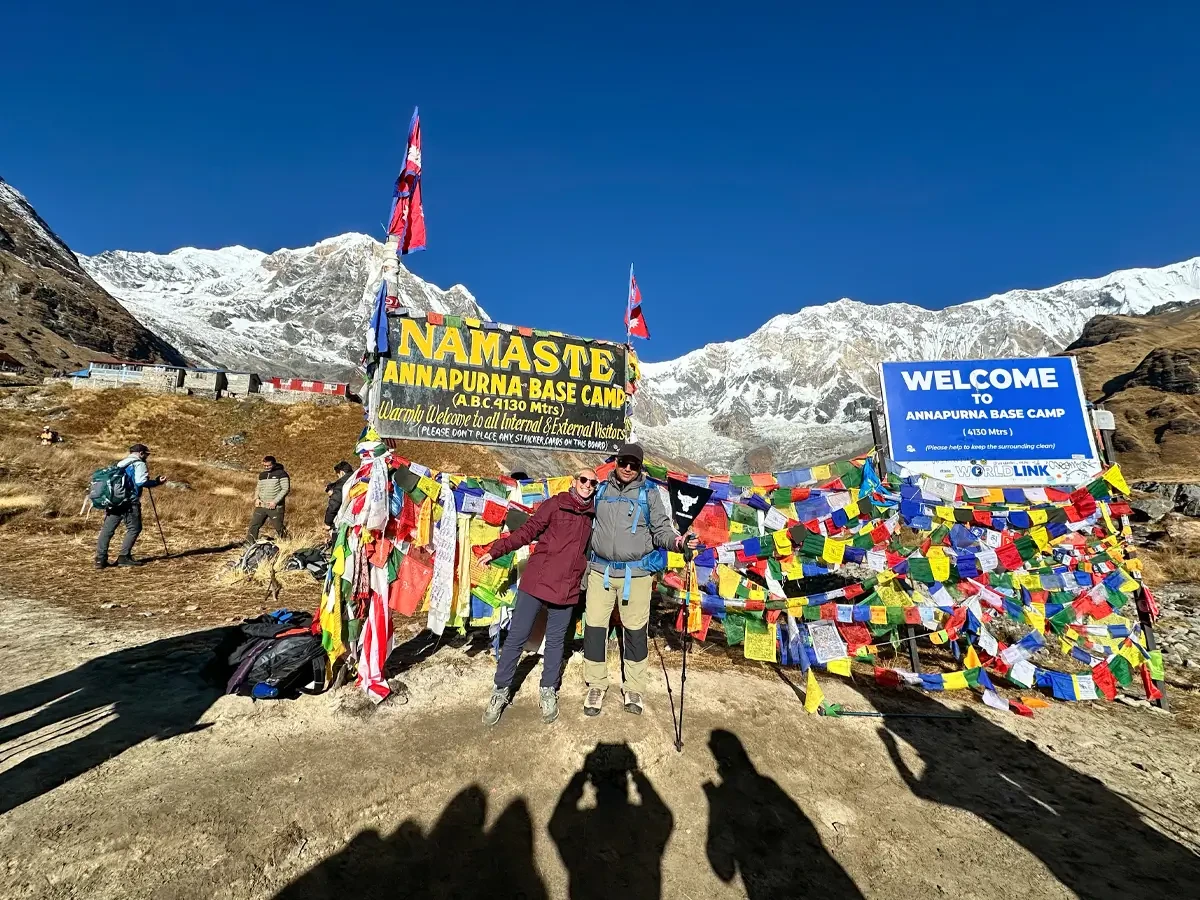
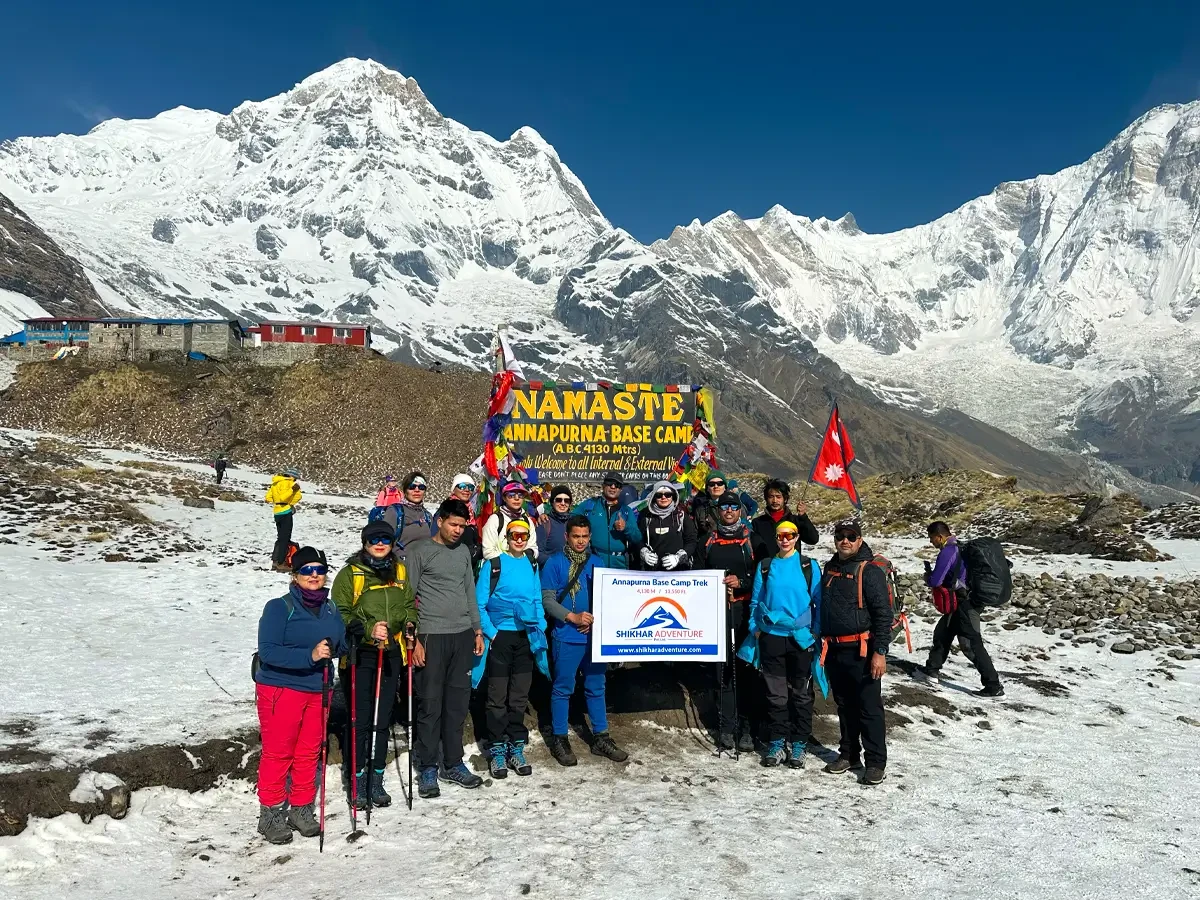
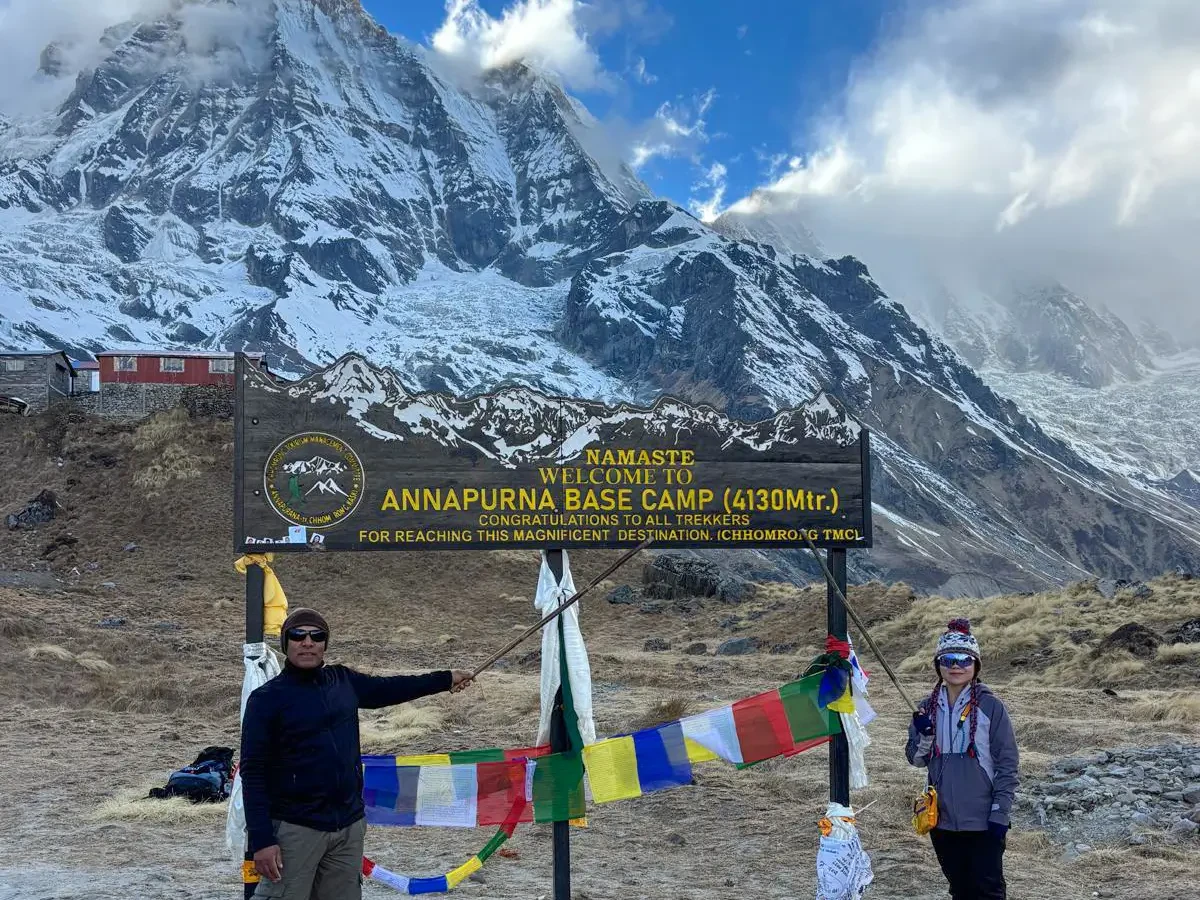
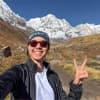
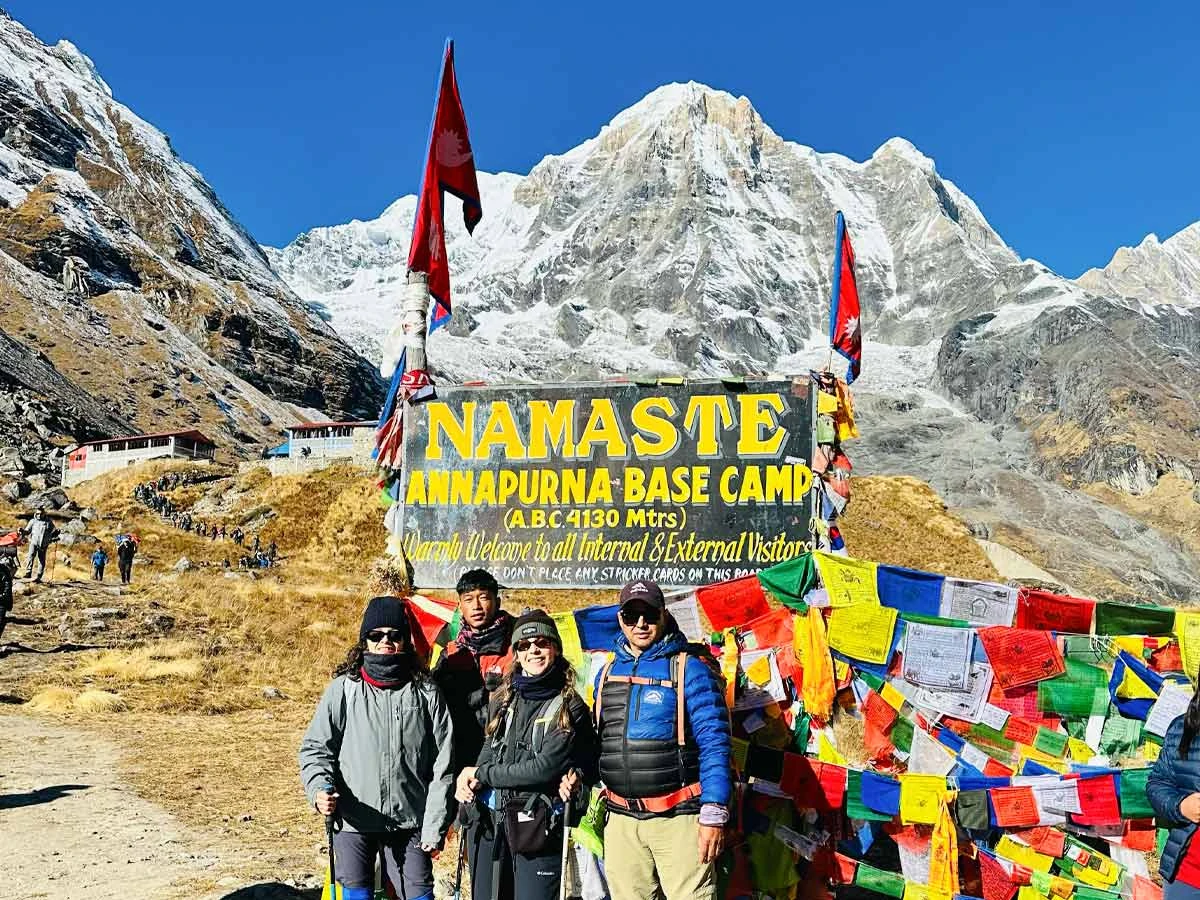
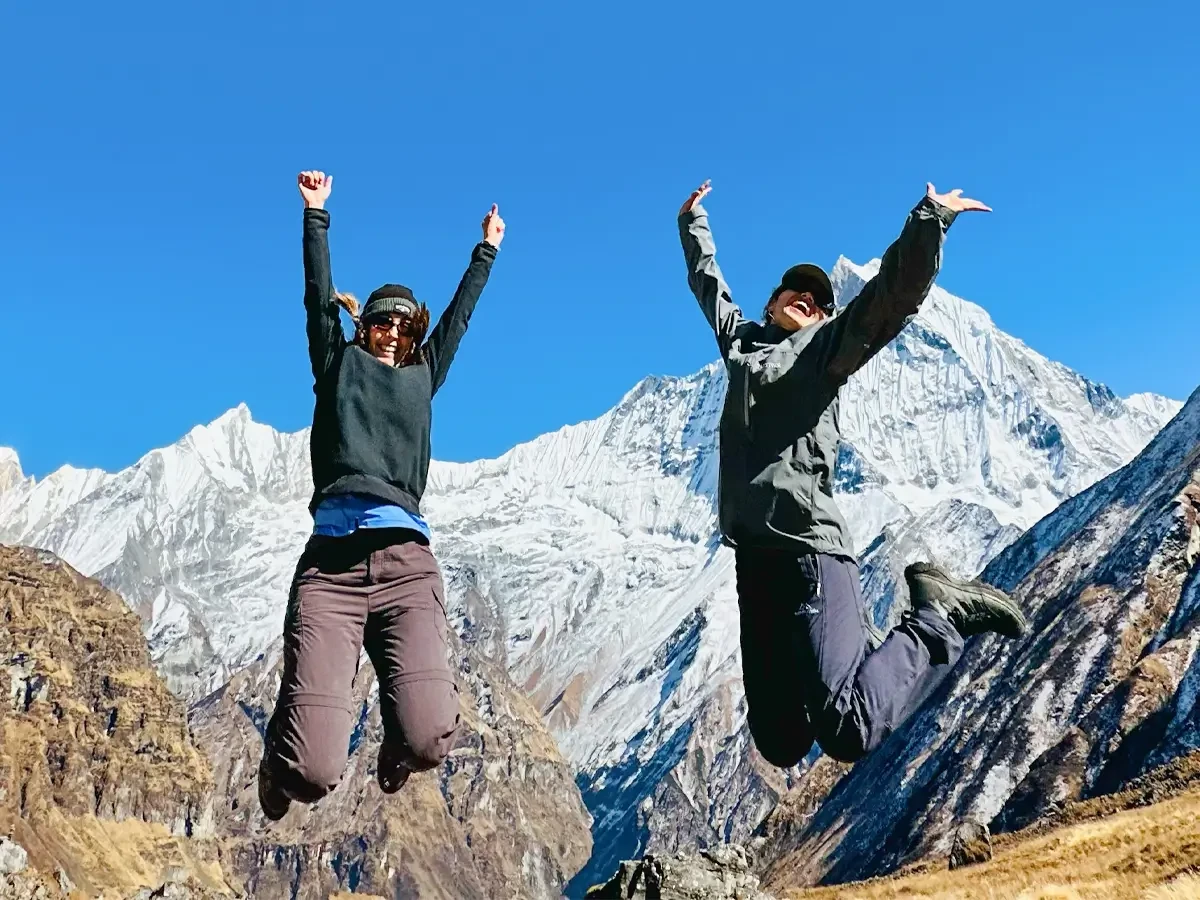
Happy trekker at Annapurna Base Camp from Pokhara
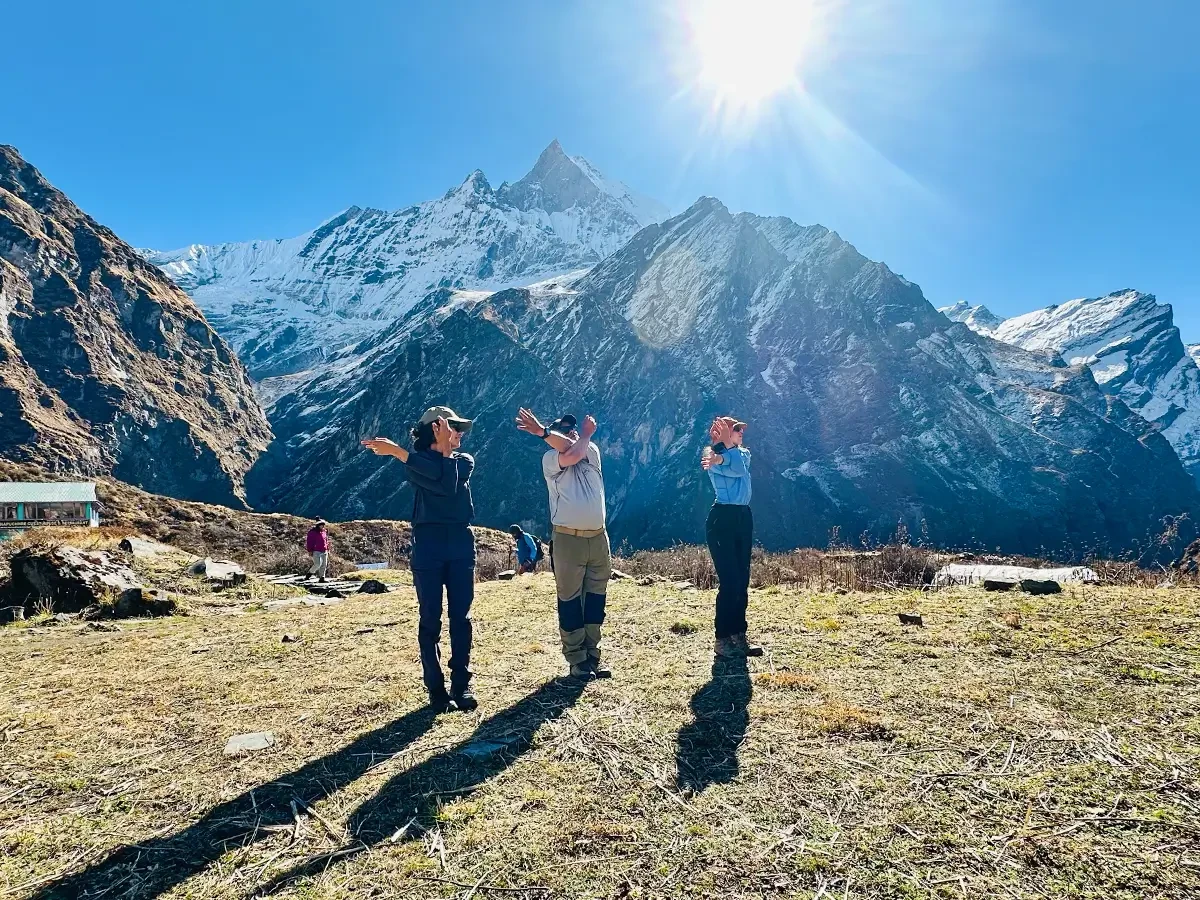
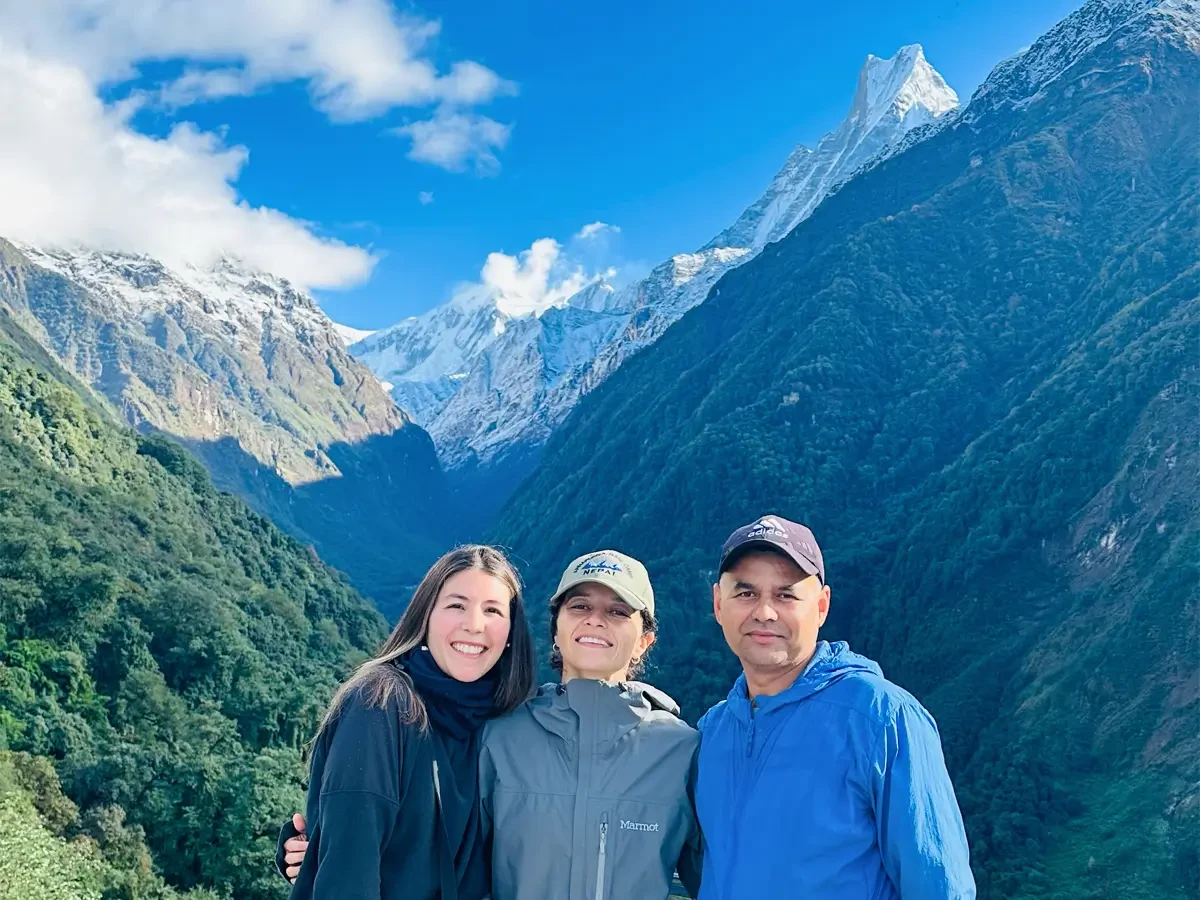
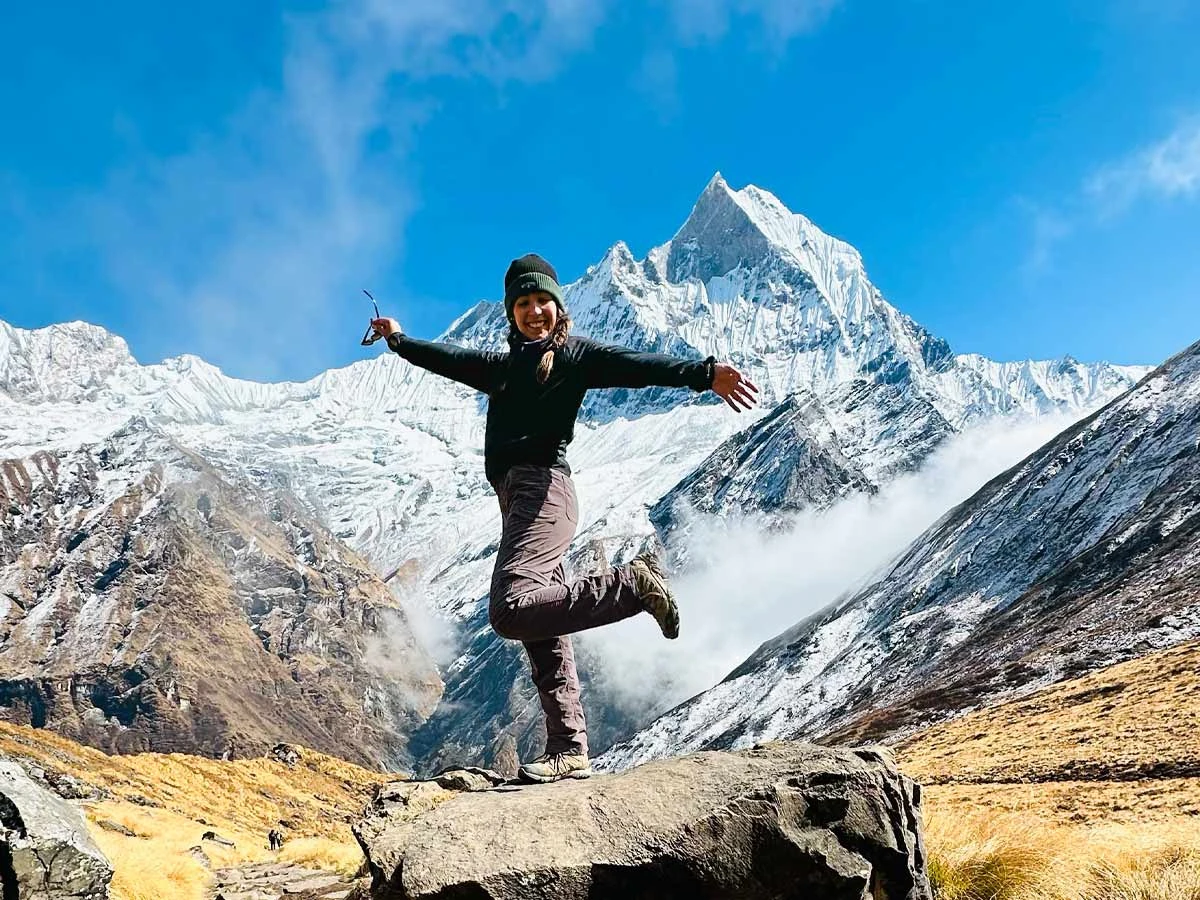
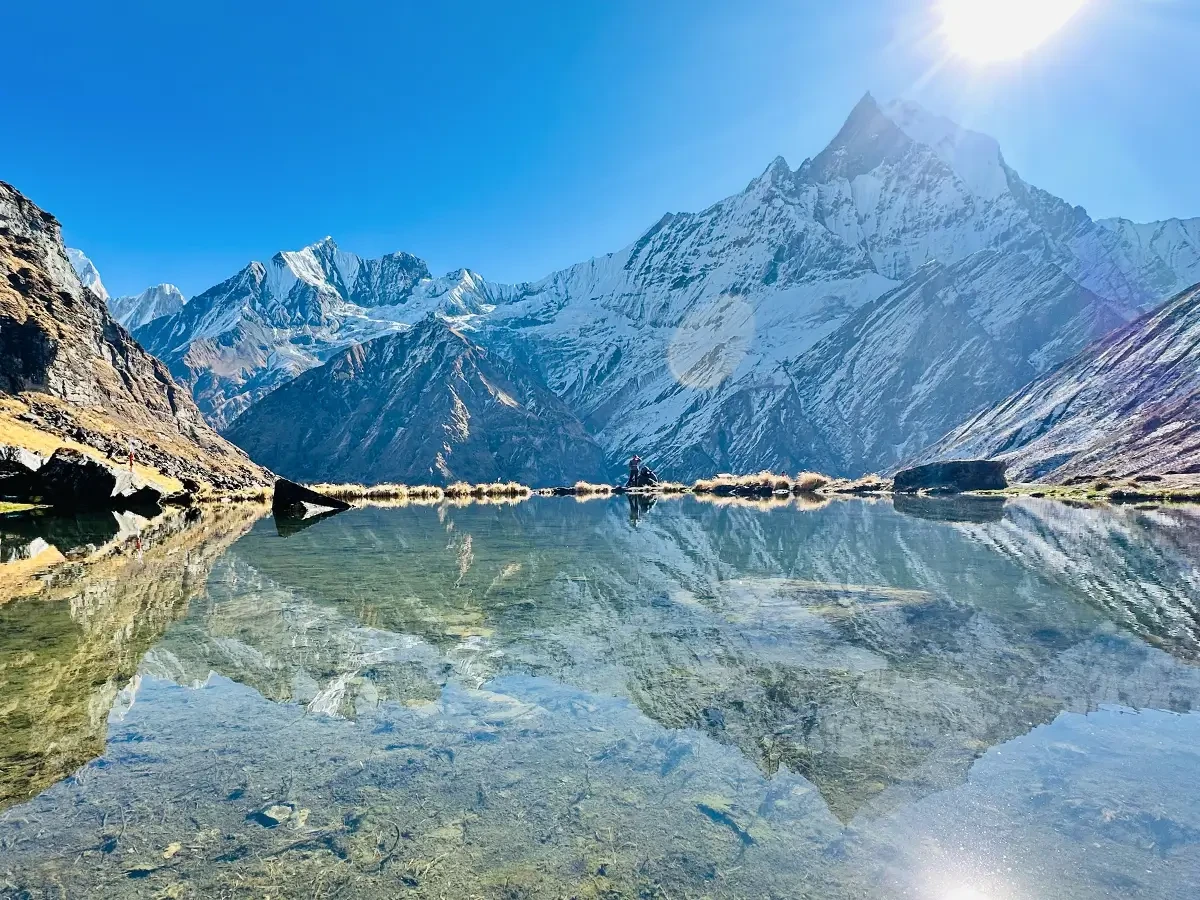
Fishtail as seen from Annapurna Base Camp at 4,130 m
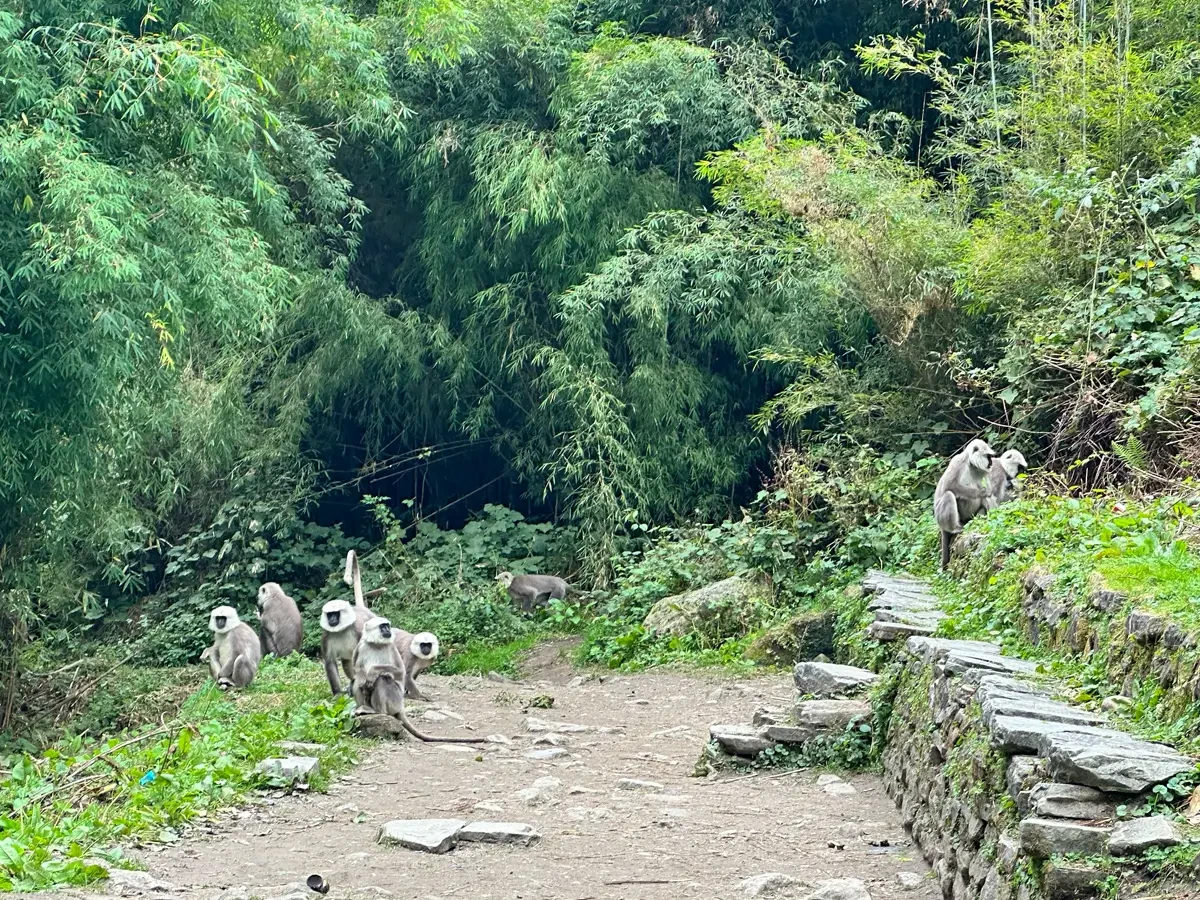
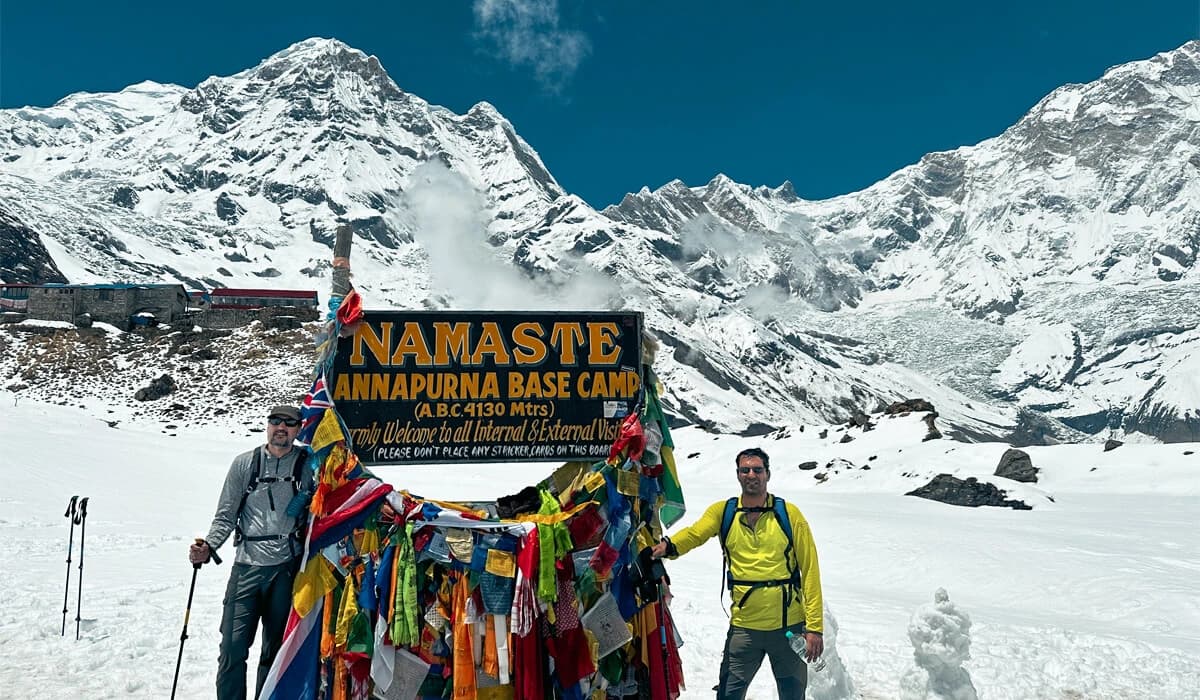
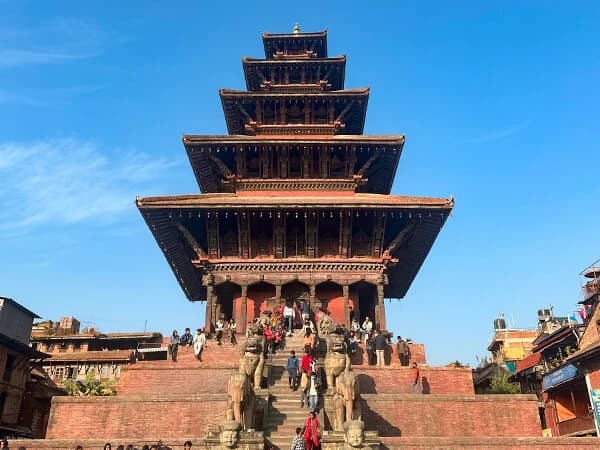
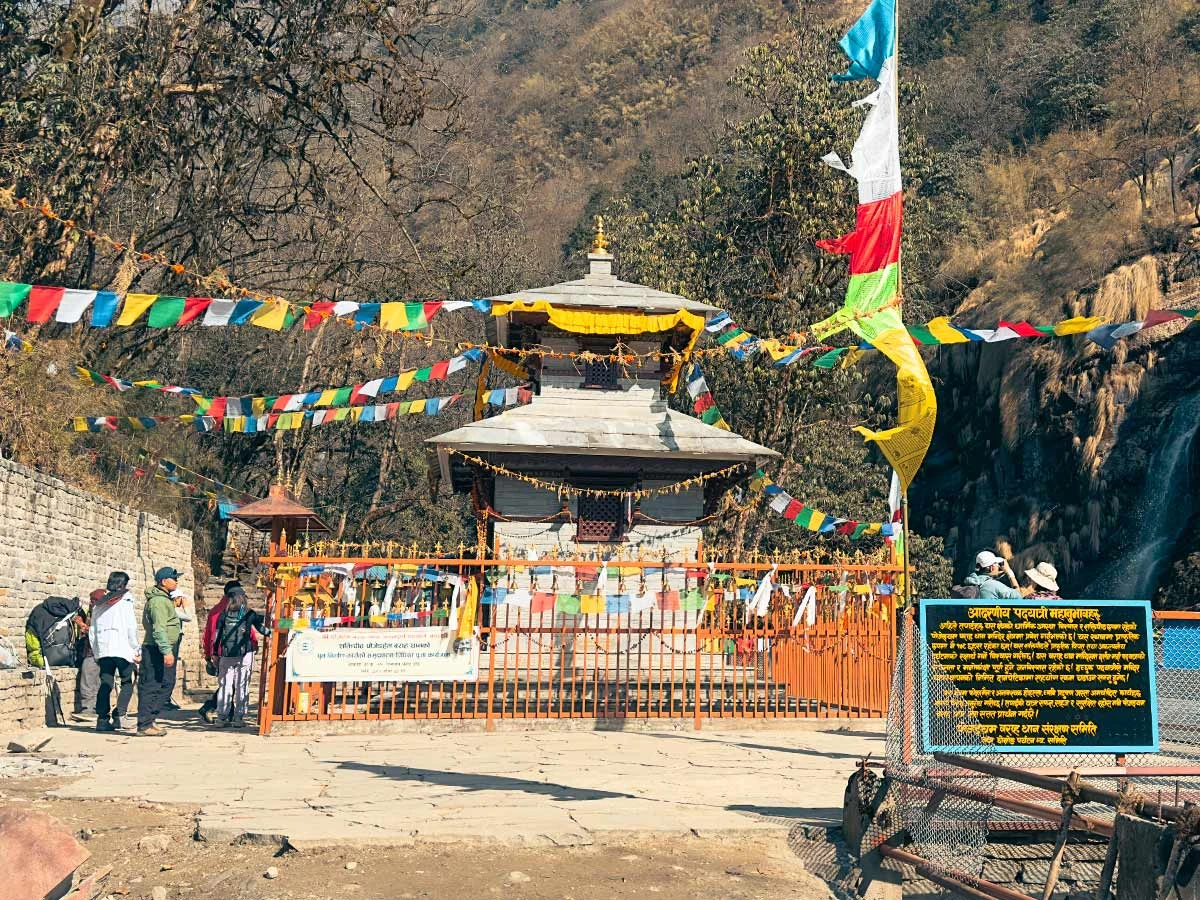
Barahi Temple during the Annapurna Base Camp Trek
Duration5 Days
Trip GradeModerate
Maximum Altitude4,130 m
ActivitiesTrekking
Group SizeMin. 1 pax
StartsPokhara
EndsPokhara
Best TimeMarch-May & September to November

Trek Overview

If you're wondering whether the Annapurna Base Camp Trek from Pokhara fits your plans, here's the truth. This 5-day trek reaches 4,130 meters and challenges you moderately. However, first-time trekkers with reasonable fitness complete it successfully.

Each day, you'll walk 5–7 hours through rhododendron forests. Additionally, you will trek through real Gurung villages before finally reaching the base of Annapurna I.

Quick Facts:

  • Duration: 5 days (shortest route to ABC)
  • Difficulty: Moderate (no technical climbing)
  • Maximum Altitude: 4,130m / 13,549 ft
  • Cost Range: USD $350–$395 per person
  • Best Seasons: March–May, September–November
  • Best For: First-time Himalayan trekkers, limited-time travelers, adventure seekers

This trek skips Kathmandu entirely and starts directly from Pokhara. As a result, you save 2 days compared to standard ABC treks. Moreover, you'll reach the same base camp and witness identical mountain panoramas. Nevertheless, you'll experience a faster pace with fewer acclimatization stops.

Highlights of ABC Trek from Pokhara

  • Pass through beautiful rhododendron forests and over rivers, observing different perspectives on the scenes in Annapurna's area.
  • Observe carefully those high mountains of Annapurna and Machapuchhare.
  • Get absorbed in the local cultures: Gurung and Magar villages teeming with people warm in hospitality.
  • Annapurna Base Camp is a beautiful sunrise destination with the snow-capped mountains.
  • Enjoy a challenging but accessible, 5-day trek—perfect for novices and experienced trekkers.
  • Find comfort in the nature around with tall, mighty Himalayan mountains everywhere.

Why this Trek?

The Annapurna Base Camp Trek from Pokhara offers the fastest route to 4,130 meters. Specifically, you reach this altitude in Nepal's Annapurna region without sacrificing authentic experiences.

Unlike the 12-day ABC trek from Kathmandu, this route assumes you're already in Pokhara. Therefore, it eliminates unnecessary travel days and maximizes mountain time.

What makes this trek unique is the directness. First, you drive straight to Jhinu Dada from Pokhara. Then, you trek upward through Chhomrong village. Finally, you reach ABC within 3 days. The return takes 2 days. Consequently, there's no extra village detours—just the essential route that climbers use.

We've guided this route over 40 times, and here's what surprises trekkers most. The altitude gain feels manageable because you constantly move through changing landscapes. One hour you're in bamboo forests at 2,600m. The next, you're crossing glacial moraines at 3,700m. Therefore, your body adjusts faster when distracted by beauty.

Comparison Context:

  • vs. Everest Base Camp: ABC sits 1230m lower, finishes 4 days shorter, and offers more intimacy
  • vs. Mardi Himal Trek: ABC provides closer mountain proximity and better teahouse comforts
  • vs. 12-day ABC Trek: Same destination, 7 days faster, but with higher daily intensity

This isn't a "relaxed" trek by any means. Instead, it's efficient and purposeful. If you have only 5 days in Pokhara and want to touch the Himalayas, this represents your best option.

Trek Difficulty Explained Honestly

Verdict: The Annapurna Base Camp Trek from Pokhara challenges you moderately and suits fit beginners.

Here's what "moderate" actually means on this specific route:

Daily Walking Reality:

  • Day 1: 4–5 hours (demanding: Samrong → Jhinu → up to Chhomrong → down to river → steep climb to Sinuwa)
  • Day 2: 7–8 hours (longest and hardest: 890m gain from Sinuwa to Deurali through bamboo forests)
  • Day 3: 4–5 hours (final push to ABC 4,130m—highest altitude, thinner air makes this challenging)
  • Day 4: 7–8 hours (demanding descent 1,820m from ABC to Bamboo—very tough on knees and joints)
  • Day 5: 4–5 hours (moderate descent Bamboo to Samrong, then you drive back to Pokhara)

Trail Conditions:

  • 60% consists of stone steps (your knees will definitely feel this on descent)
  • 30% includes forest trails (muddy after rain, especially during monsoon)
  • 10% covers glacial moraine (rocky, uneven at ABC, requiring careful footing)

Altitude Challenges:

The jump from Deurali (3,230m) to ABC (4,130m) spans 900 meters in 4 hours. This is precisely where altitude sickness hits unprepared trekkers most severely. Symptoms include headache, nausea, and dizziness. However, we counter this by starting early morning when oxygen levels are slightly higher. Furthermore, we walk slowly—2 steps, then 1 breath—to help acclimatization.

Beginner Suitability:

Yes, if you can hike 5–6 hours with a 5kg daypack. Additionally, you need 4–6 weeks of prior training. However, if your only exercise is weekend walks in the park, then no.

Age Range Reality:

We've guided 6-year-olds and 78-year-olds successfully on this trek. Age matters less than cardiovascular fitness. Moreover, mental determination plays a crucial role in completion.

Fitness Expectations:

Train with stair climbing, uphill treadmill walking, or day hikes carrying 5–8kg. Specifically, your legs need to handle 1,200–1,500m of elevation gain daily. Otherwise, you'll struggle significantly on the ascent days.

Best Time to do this Trek

Season Weather Crowds Visibility Verdict
Spring (Mar–May) 15–20°C days, 0–5°C nights Peak crowds Excellent (80%+ clear days) Best overall
Autumn (Sep–Nov) 10–18°C days, -5–0°C nights Peak crowds Crystal clear post-monsoon Best overall
Winter (Dec–Feb) 5–12°C days, -10°C nights Very low Clear but cold For experienced only
Monsoon (Jun–Aug) 18–25°C days, 10–15°C nights Almost empty Poor (clouds/rain) Not recommended

Insider Crowd Insights:

March and October attract the busiest crowds on this trek. Specifically, teahouses fill up by 2 PM during these months. Additionally, MBC can feel like a small village.

However, if you want solitude, trek in late November or early December. During this period, snowfall starts but trails remain passable. We've seen ABC completely empty in early December. In fact, only 6 trekkers stayed overnight that particular time.

Avoid June–August unless you enjoy hiking in constant rain. The monsoon turns trails into mud slides very quickly. Moreover, leeches emerge in the bamboo forests between Chhomrong and Dovan. Plus, cloud cover blocks mountain views 80% of the time during these months.

Pro Tip: The first week of October offers the best weather-to-crowd ratio. Specifically, post-monsoon clarity arrives then. However, peak October crowds haven't descended yet, giving you perfect conditions.
Itinerary

Trip PlanExpand All

The trip to the Annapurna Base Camp begins with a scenic drive from Pokhara to Jhinu, crossing through lush hills and wild rivers that are part of the Annapurna region. The excursion from the village of Jhinu—a popular place for its hot springs—will start uphill, using even stairs winding over this part of dense forests. This will give the hikers an insight into some unique flora and fauna.

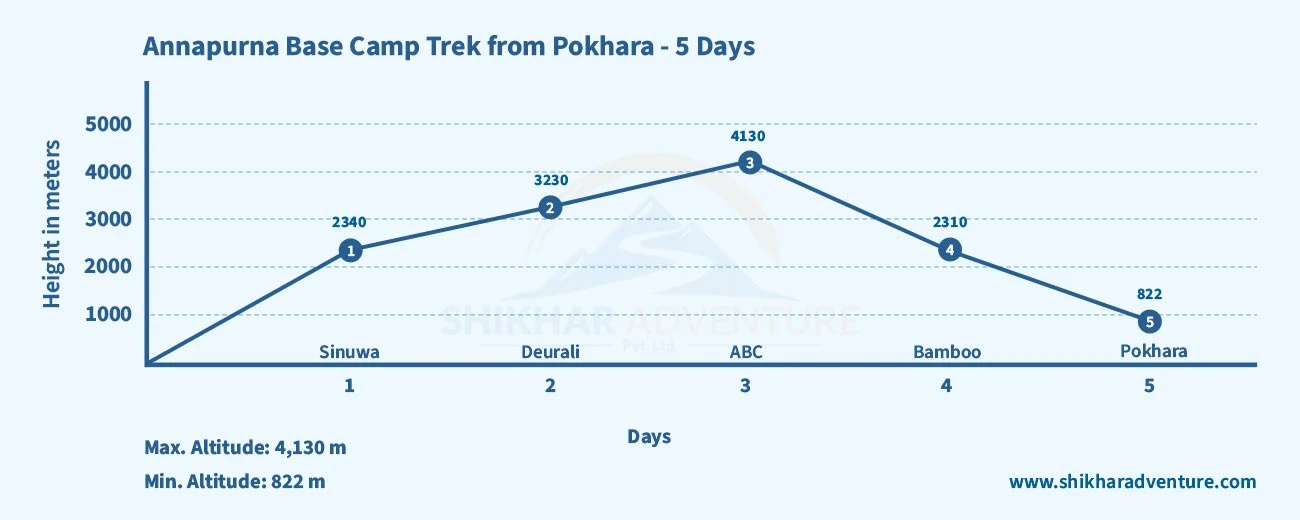
You'll pass suspension bridges on your way to flat farmlands. Continue up, reaching the small village of Sinuwa at 2,340 meters above sea level. This quiet village enjoys spectacular views from its surroundings, and it is also a good area to acclimatize with the altitude level. Quiet evening; rest, enjoying the thrill and buzz of what's in store.

Max Altitude: 2,340 meters Meals: Lunch & Dinner IncludedAccommodation: Teahouse

It is a continuation deeper into the Annapurna region as you head towards Deurali today. From Sinuwa, you still have a small descent ahead of you before you take to the stiff climb upwards through forests of bamboo and rhododendron, taking in the surrounding natural beauty. The varying landscape makes for an interesting trek, and if desired, one can stop often to take moments and look around.

The higher you climb, the altitude increases and then the plants start to get sparse—an indication that you are getting closer to Deurali at 3,230 meters. The village has been in a very beautiful spot since high mountains with rugged terrain surround it. Probably this may be your perfect stopover overnight, with the very far-away sounds of the waterfalls and the refreshing mountain air in your lungs.

Max Altitude: 3,230 meters Meals: Breakfast, Lunch & Dinner IncludedAccommodation: Teahouse

Today will be the most important day of your walk because you will arrive at Annapurna Base Camp. Starting from Deurali, you make a slow ascent towards the heart of the Annapurna Sanctuary. As you trek at the entrance of the sanctum, to your excitement, stand tall the mountains of Annapurna South, Hiunchuli and Machapuchare-or Fishtail- creating a view that raises your hair.

At 4,130 meters above sea level, Annapurna Base Camp lies in a space constrained by the vast massif of the Annapurnas. The white peaks surrounding it join together in a natural amphitheater, spreading 360° of visibility, with giants rising among the highest on the face of this planet. There is no feeling quite like reaching ABC; rest, reflect, and enjoy all of the magnificence the Himalayas have to offer.

Max Altitude: 4,130 meters Meals: Breakfast, Lunch & Dinner IncludedAccommodation: Teahouse

Just after having caught all the great views in Annapurna Base Camp, you will commence your way back downwards to Bamboo. Following your previous pathway, you see that going downwards is a little bit easy but again the steep parts are a bit tough. The several views you will be able to see downhill from the high mountains to the green forests make the unique difference from the previous days.

The Bamboo village trail follows through a forest around 2,310 meters high. It is very quiet surroundings, great to spend a night in, relax, and go over the hiking trip. A great way of remembering how the adventure just went by, as most of the tough parts of the hike are finally over.

Max Altitude: 2,310 meters Meals: Breakfast, Lunch & Dinner IncludedAccommodation: Teahouse

The final day of the trekking goes on to Jhinu, quite slower as the ground reaches a low level. You will be routed through well-known forest paths, fast rivers, and stepped fields for the last view of beauty in the Annapurna area.

Your walking will be completed once you reach Jhinu, have time to enjoy the relaxing hot springs, and drive back to Pokhara. Achievement settles down in earnest only after one has re-entered society following completion of the amazing journey through some of the most breathtakingly vivid landscapes that Nepal has to offer.

Max Altitude: 822 meters Meals: Breakfast & Lunch Included
Couldn't find what you're after?Reach out to our travel experts, who are eager to plan your trip according to your personal travel preferences.
Customize Trip

Cost Details

Included

  • Pokhara - Jhinu Dada - Pokhara in a Jeep
  • Local guest house accommodation in the mountains.
  • Annapurna Conservation Area Permit
  • Government-authorized, experienced guide and porters
  • Insurance, food, accommodation, and wage for guides and porters
  • Hygienic meals (breakfast, lunch, and dinner) during the trek.
  • Sleeping bag, and duffel bag which has to be returned after the completion of the trek
  • First Aid Kit with Oxygen Canister
  • Service charge and government taxes

Excluded

  • International airfare
  • Meals and accommodation in Pokhara
  • Meals not mentioned in included section
  • Your personal expenses, shopping, etc.
  • Shower and electronic charging fees at guest houses during the trek
  • Alcoholic drinks, chocolates, tea and coffee
  • Tips for guide and porter
  • Extra accommodation and meals outside of itinerary
  • Costs from unexpected occurrences (i.e. cancellations, weather problems, damages of property, illness, etc.)

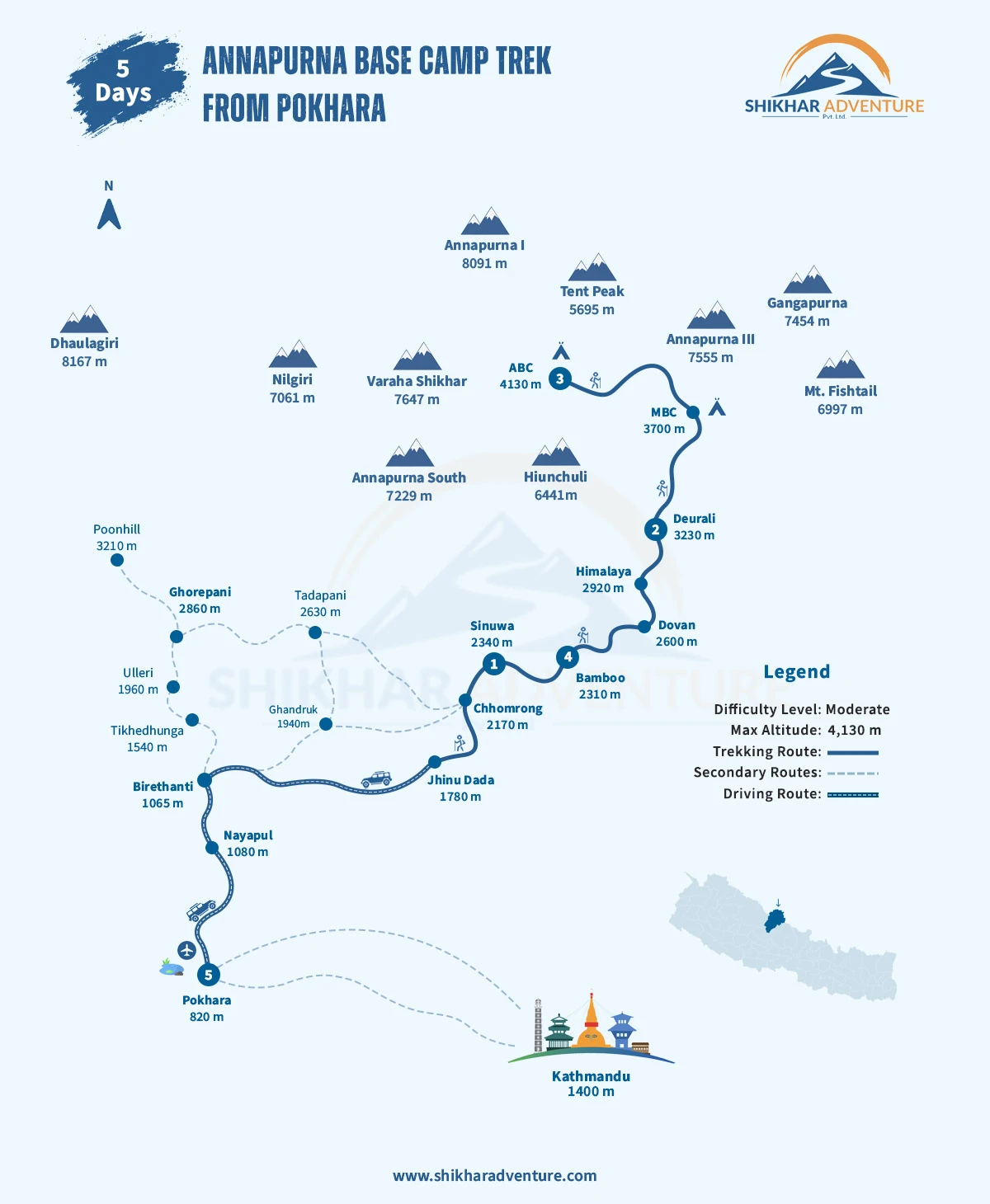
Route Map

Map showing the route for Annapurna Base Camp from Pokhara

Altitude Chart

Annapurna Base Camp Trek from Pokhara Altitude Chart

Essential Information

Permits, Cost & What's Included

Required Permits:

  • ACAP (Annapurna Conservation Area Permit): NPR 3,000 (approx. USD $22)
  • TIMS Card (Trekkers Information Management System): Not Required at per current rules(2026)

We handle all permit paperwork — you just provide passport copies and digital photos.

Realistic Cost Ranges:

Group Size Price per Person (USD)
Solo Trekker $395
2–4 People $375
5–8 People $350

What's Included:

  • Pokhara–Jhinu–Pokhara jeep transport
  • 4 nights teahouse accommodation (twin-sharing)
  • All meals during trek (breakfast, lunch, dinner)
  • Licensed trekking guide (English-speaking, first-aid trained)
  • Porter Service: A porter for every two participant.
  • Food, accommodation, insurance, and wage for guide and porter.
  • ACAP permits
  • Shikhar Adventure duffle bag and trek map

What's NOT Included:

  • Pokhara hotel (before/after trek)
  • Hot shower charges at teahouses (NPR 200–300 per shower)
  • Battery charging fees (NPR 200–500 per device)
  • Alcoholic drinks, bottled water, snacks
  • Travel insurance(Highly Recommended)
  • Tips for guide & Porter (expected: USD $50–100 each for 5 days)
No Hidden Costs Guarantee: The prices above are final. We don't add "emergency fees" or "seasonal surcharges" after booking.

Safety, Altitude & Guide Advantage

Altitude Sickness (AMS) Explained:

When you climb more quickly than your body can adjust, you get acute mountain sickness. Symptoms include headache, nausea, dizziness, and fatigue throughout the body. On this specific 5-day trek, the risk is moderate. This is because you gain 900m between Deurali (3,230m) and ABC (4,130m) in one day.

Our Acclimatization Strategy:

  • Walk slowly and deliberately (2 steps, then 1 breath above 3,500m)
  • Drink 3–4 liters of water daily to stay properly hydrated
  • Avoid alcohol and sleeping pills completely during the trek
  • Sleep lower if symptoms worsen (we'll descend immediately to Deurali)

Emergency Protocols:

Every guide from our team carries essential equipment:

  • Portable oximeter (checks blood oxygen levels regularly throughout the day)
  • Basic first-aid kit (includes bandages, pain relief, and altitude medications)
  • Emergency phone (Ncell network works reliably up to Chhomrong village)

If AMS becomes severe (confusion, difficulty breathing, loss of coordination), we descend immediately. Furthermore, we do this even at night if necessary. We arrange helicopter evacuation if needed. However, travel insurance must cover this cost.

Guide-to-Client Ratio:

We only allow one guide for every six hikers. You have a personal guide with you the entire time if you're trekking alone.

Local Expertise Advantage:

Our guides live in Pokhara and know the Annapurna area very well. They've heard stories about these mountains since they were kids. They also know the names of most teahouse owner. As a result, they can negotiate better meals and accommodations. Furthermore, they recognize early AMS symptoms from 20 meters away.

Getting Ready and Packing

Important Gear:

Footwear: Trekking boots that are waterproof (break them in before the trek)

Clothes:

  • Base layers that wick away moisture
  • Fleece middle layer
  • Down jacket (for ABC, where temperatures drop to -10°C at night)
  • Jacket and pants with a waterproof shell
  • Hat, gloves, and neck gaiter that keep you warm

Daypack: 30 to 40 liters

Rated for -10°C, we give you one for free.

Trekking poles are necessary to protect your knees when you go down.

Headlamp: For starting early in the morning

Two 1L water bottles (or a hydration bladder)

Sunglasses: UV400 protection (the glare from the glacier at ABC is very strong)

Sunscreen and lip balm with SPF 50 or higher (UV at high altitudes is very strong)

Good to Have:

  • Portable phone charger (electricity costs NPR 500 per charge over 3,000m)
  • Compeed brand blister patches
  • Earplugs (the walls of the teahouse are thin)
  • Playing cards (fun at night)

Things You Should Know About Teahouses:

  • Showers are extra and are heated by the sun (they're cold in the morning).
  • There is Wi-Fi, but it's slow (WhatsApp works, but video calls don't).
  • There are western-style toilets up to Dovan and squat toilets higher up.
  • They give you blankets, but you should bring your own sleeping bag liner for hygiene.
  • There are charging stations, but they cost a lot (NPR 200–500).
Weight Limit: For the porter, your duffel bag shouldn't weigh more than 15 kg. Porters carry two trekkers' bags, which weigh 25–30 kg.

Why Trek With Us

We don't do marketing fluff here. Here's why 100+ trekkers chose Shikhar Adventure for their ABC trek:

Experience:

  • We've spent 20+ years guiding in the Annapurna region consistently
  • Our guides receive training in wilderness first aid and altitude management
  • We maintain a 100% trip completion rate (excluding medical emergencies only)

Local Partnerships:

  • We maintain direct relationships with 40+ teahouses along the entire route
  • We provide priority booking during peak season (no "sorry, full" situations ever)
  • We deliver better meal quality because owners know us personally for years

Porter Welfare:

  • We pay fair wages (above Nepal Tourism Board minimum standards)
  • We provide proper insurance to all porters
  • We prevent overloading (max 25kg per porter vs. industry standard 30kg+)

Safety Record:

  • We've had zero serious altitude incidents so far
  • We maintain emergency evacuation protocols with helicopter companies on standby
  • Our guides carry oxygen canisters

What Past Trekkers Say:

"From start to finish, he was knowledgeable, friendly, and super attentive. When the altitude started hitting me, he really helped me pace myself and stay healthy. He knew all the best viewpoints and shared amazing insights about the local culture and landscape. Having him along made the journey much more enjoyable, and I would recommend that anyone embarking on this journey to contact them. — Natasha, Argentina (November 2024)

FAQs(ABC Trek from Pokhara)

1. Is the 5-day Annapurna Base Camp Trek from Pokhara too fast for beginners?

No, it's not too fast if you're reasonably fit and prepared. The 5-day route is direct but remains manageable throughout. You'll walk 5–7 hours daily, gaining 900m on the hardest day specifically. First-time trekkers complete it successfully with proper pacing. However, adequate hydration is absolutely essential.

2. How much does the ABC Trek from Pokhara cost in 2026-2027?

Prices range from USD $350–$395 per person, depending on your group size. This includes guide services, permits, accommodation, and meals throughout. Additionally, it covers transport between Pokhara and Jhinu. However, porter service is optional (USD $120 extra for shared service).

3. Do I need a guide for the ABC Trek from Pokhara?

Legally, no—you can trek independently. Practically, yes—guides are highly recommended. Guides prevent altitude sickness through proper pacing. Moreover, they navigate trail junctions accurately. Furthermore, they negotiate teahouse prices and provide emergency support. Solo trekking saves USD $200 initially. However, it significantly risks your safety.

4. Can I do the ABC Trek from Pokhara without prior trekking experience?

Yes, you can if you train beforehand properly. Spend 4–6 weeks doing cardio activities. Specifically, focus on stair climbing and uphill walks regularly. Additionally, build endurance for 5–6 hour hikes carrying weight. No technical climbing is required at all.

5. What's the difference between 5-day and 12-day ABC Trek?

The 5-day trek starts from Pokhara and goes straight to ABC directly. The 12-day trek includes side trips to Ghorepani and Poon Hill. Moreover, it adds extra acclimatization days for safety. However, both reach the same base camp ultimately.

6. Is altitude sickness common on the ABC Trek from Pokhara?

Moderate risk exists on this trek. The 900m jump from Deurali (3,230m) to ABC (4,130m) causes mild symptoms. Specifically, headache and nausea affect 30–40% of trekkers. However, severe AMS is rare (under 5%) if you walk slowly. Additionally, staying properly hydrated helps significantly. Ready to start planning? WhatsApp us at +977 9841869254 now. Alternatively, email info@shikharadventure.com anytime.

7. Can I trek to ABC from Pokhara in winter (December–February)?

Yes, winter trekking is possible here. However, expect snow above 3,500m consistently. Additionally, nights are freezing (-10°C at ABC). Nevertheless, trails remain passable throughout winter. Moreover, crowds disappear completely, and views are crystal clear. Therefore, bring a -15°C rated sleeping bag.

8. How hard is the descent on Day 5 of the ABC Trek?

Very hard on knees specifically. You'll descend 2,350m in 7–8 hours total. Therefore, use trekking poles and walk slowly throughout. Take breaks every hour without fail. Most injuries happen during descent, not ascent at all. Looking for a less intense option? Consider tailoring your ABC Trek for 7 days instead. It offers gradual descent.

9. Are hot showers available on the ABC Trek from Pokhara?

Yes, hot showers are available but cost NPR 200–300 per shower. They're solar-heated (lukewarm at best usually). However, showers disappear above 3,500m completely. Most trekkers skip showers for 3–4 days. Fortunately, it's completely normal practice.

10. What's the Wi-Fi situation on the ABC Trek?

Wi-Fi exists up to Deurali (NPR 300–500). However, it's slow and unreliable. WhatsApp and basic emails work adequately. Nevertheless, video calls fail consistently. Above 3,500m, Wi-Fi disappears completely. Therefore, embrace the digital detox opportunity.

Annapurna Awaits

You've read over 3,000 words because you're genuinely serious about this trek. Now imagine yourself standing at 4,130 meters, completely surrounded by 7,000m+ peaks. You're realizing you just walked to the base of the world's 10th-highest mountain.

This isn't just a tour or vacation. Instead, it's a transformation of perspective. Five days from now, you'll stand where climbers prepare for Annapurna I summits. Moreover, you'll sleep under stars so bright they actually cast shadows. You'll return to Pokhara knowing you touched the Himalayas. Furthermore, you really touched them—not just viewed them from afar.

The Journey That Awaits:

Every morning, you'll wake to mountain views that change your understanding of "big." Each day, you'll walk trails that thousands before you have walked. However, your experience will be uniquely yours. The first sight of Machapuchhre will stop you mid-step. The warmth of dal bhat after a cold day will become your comfort. Additionally, the camaraderie with fellow trekkers will create bonds that last years.

At Annapurna Base Camp, you'll stand in silence. The amphitheater of peaks surrounds you completely. In that moment, everything else fades away. Work stress, daily worries, the constant noise of modern life. Instead, there's just you, the mountains, and the profound realization. You're capable of more than you believed possible.

Why Book With Shikhar Adventure:

We've guided this route for over 20 years now. We're not the cheapest option available. However, we're the safest and most reliable choice for 2026-2027 trekking seasons. Our guides are from Pokhara specifically. Therefore, they know these mountains like their own homes. They recognize altitude sickness before you feel it yourself. Moreover, they ensure you reach ABC safely and return home with memories. These memories will outlast any photograph you take.

Your Next Steps Are Simple:

First, check your calendar for available dates in 2026 or 2027. Spring (March–May) and autumn (September–November) offer the best conditions. However, each season brings its own unique beauty. Next, consider your fitness level honestly. Then, start training if needed immediately.

Ready to Begin?

  • WhatsApp: +977 9841869254 (We respond within few minutes, 24/7)
  • Email: info@shikharadventure.com (Detailed responses within few hours)
  • Inquiry Form: Click here to send your details

Include your preferred dates specifically for 2026 or 2027 season. Additionally, mention your group size and current fitness level. We'll reply with a customized itinerary promptly. Furthermore, we'll provide exact pricing and answer all your questions thoroughly.

One More Thing:

The Himalayas don't wait for perfect timing. There's never a "perfect" moment to take this journey. However, there's only the decision to go or the regret of not going. Five years from now, you'll remember the trek you took. Conversely, you'll wonder about the trek you postponed indefinitely.

Stop planning endlessly. Start trekking purposefully. Annapurna Base Camp is waiting for you right now. Moreover, your transformation begins the moment you say yes. The mountains have been here for millions of years. Now, they're ready for you specifically.

Book your trek today. We'll handle everything else completely.

Wonderful experience with Dambar

Among hundred of messages from pushing guides after posting on Facebook group, we have chosen Dambar and have absolutely no regret. He made an itinerary based on our preferences, gave...

read more +
Corentin LE GAL
Corentin LE GAL- France
January 25, 2025
Incredible company - Epic trek. Highly recommend!

I just finished the Annapurna Base Camp trek, and I couldn’t have asked for a better guide.

From start to finish, he was knowledgeable, friendly, and super attentive. When the...

read more +
Natasha Barrau
Natasha Barrau- Argentina
November 13, 2024
The most amazing and unbelievable experience

If you're planning the Annapurna Base Camp trek, I highly recommend Dambar as your guide. He was amazing in every way and made our trip unforgettable. From the start, everything...

read more +
Thania Goodman
Thania Goodman- United States
November 10, 2024

You May Also Like

Bhaktapur

Bhaktapur and Patan Tour

Starting from
US$25
Explore
Boudhanath Stupa

Kathmandu Heritage Tour

Starting from
US$25
Explore
Everest Mountain Flight

Everest Mountain Flight

Starting from
US$235
Explore
Need Help? Call Us.+977 9841869254