Cheap Nepal trekking packages with prices less than $1,000 for 14-day treks often hide guides who aren't qualified, fake insurance, and dangerous plans for getting used to the altitude. This guide, written by a government-licensed trekking professional (porter since 2010, licensed 2016), shows you how to find trustworthy tour companies and stay away from the safety risks that can turn cheap trips into emergency evacuations that cost $5,000 or more.
The Hidden Dangers of Cheap Trekking Packages in Nepal: A Licensed Guide's Warning
You found a Nepal trek for $400 when others charge $1,200. Sounds perfect, right? After 26 years working in the Himalayas, I've seen what happens when trekkers choose price over safety. I've witnessed preventable evacuations, met stranded hikers whose guides disappeared, and heard stories that shouldn't happen in our mountains.
I started as a porter in 1998, worked as a cook during my early years, earned my government license in 2007, and established my company in 2018 on one principle: your safety comes before my profit. This isn't about scaring you away from Nepal. It's about protecting you while you're here. The Himalayas are safe and welcoming when you choose the right company.
This guide reveals what budget operators don't tell you. You'll learn real trekking costs, verification methods, and red flags to watch for.
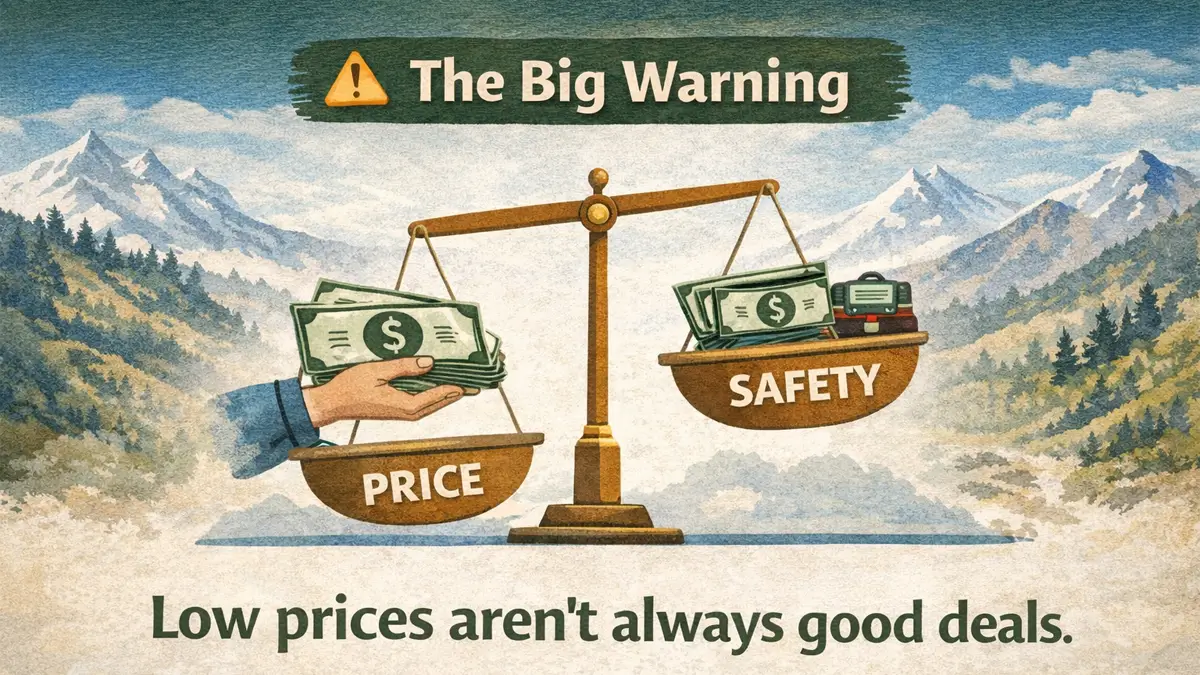
Low prices aren’t always good deals, safety should never be compromised while trekking in Nepal.
Why Cheap Packages Always Cut Safety Corners
Over 26 years in Nepal's tourism industry, I've observed a consistent pattern with budget operators. The mathematics simply doesn't work. When legitimate costs for permits, qualified guides, proper accommodation, and insurance total $1,200-1,700, 14 day packages advertised at $700-800 cannot maintain safety standards.
Budget operators reduce costs in predictable ways. They hire inexperienced or unlicensed staff. They skip proper insurance for their team. They use the cheapest accommodations regardless of hygiene standards. They compress acclimatization schedules to minimize days and costs.
The consequences are real. Budget operators frequently experience food poisoning from unsanitary kitchens, emergency evacuations due to altitude-related problems, and coordination breakdowns during emergencies. What appears as savings upfront typically generates pricey complications later? Helicopter evacuations alone cost $5,000-8,000, significantly exceeding any initial discount.
This isn't speculation. This is what happens when operators prioritize profit margins over proper protocols.
The Real Economics of Responsible Trekking
A legitimate 14-day Everest Base Camp trek costs $1,300 to $1,700. A 12-day Annapurna Circuit runs $1,100 to $1,400. These aren't arbitrary numbers. They reflect actual costs of keeping you safe, fed, insured, and legally compliant.
Government permits for Everest cost $40-50. TIMS cards add $20. National park fees range $30-50. These are fixed costs legitimate operators cannot reduce.
Qualified guides earn $25-30 per day. Porters receive $20-25 daily, plus equipment, insurance, and proper food. Budget operators either forego insurance completely or pay half of these costs. Employees who are underpaid are not motivated to put your safety first.
At lower elevations, standard teahouse accommodations cost $3–8 per night; at higher elevations, they cost $8–15. Meals run $30-40 everyday. Transportation varies: planes to Lukla cost between $210 and $225, while busses to Besisahar cost $10.
Trekkers are responsible for securing their own complete travel insurance, which usually ranges from $200 to $500 and covers evacuation and medical situations. Nonetheless, when necessary, all rescue and evacuation efforts are coordinated by accountable organizations. Additionally, ethical operators provide separate insurance for guides and porters, covering working accidents and medical situations.
Add taxes, costs, and narrow profit margins. The math doesn't support $700 treks. When operators advertise these prices, they're cutting something critical. Usually your safety.
What Budget Operators Actually Cut
Guide Qualification:
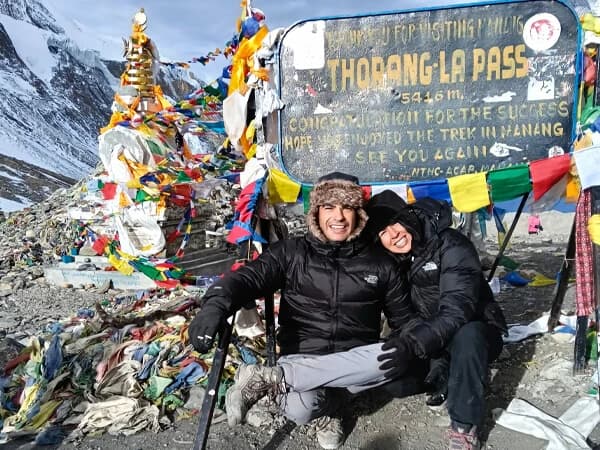
Nepal requires guides to complete government training and hold valid licenses covering first aid, altitude sickness recognition, and emergency procedures. Budget operators hire unlicensed "guides" who are actually porters or tourists who've trekked once. Last October, an unlicensed guide led a group toward Thorong La Pass despite storm warnings. They barely survived.
Food Quality:
Responsible operators partner with clean kitchens employing fresh ingredients and hygiene practices. Budget enterprises utilize the cheapest teahouses regardless of sanitation. Treks are ruined by illnesses caused by contaminated water and unclean plants. I've treated countless giardia and food poisoning patients from budget operator kitchens.
Insurance Coverage:
Legitimate organizations handle all rescue and evacuation efforts in the event of an emergency, however hikers are responsible for obtaining their own complete travel insurance that covers medical crises, evacuation, and repatriation. Ethical companies also provide separate workplace insurance for guides and porters. Budget operators neither arrange adequate evacuations nor insure their workforce, putting both trekkers and workers endangered. You are on your own when crises involving unscrupulous operators occur. Helicopter rescues cost $5,000-8,000 that your insurance must cover—if budget operators even organize rescue correctly.
Acclimatization Schedules:
Bodies need time to adapt to altitude. Responsible itineraries include rest days and moderate ascent. The risk of altitude sickness increases dramatically as budget operators race higher to cut expenses.
Equipment Standards:
Quality gear takes money to purchase and maintain. Budget operators use outdated equipment that breaks down when it's most needed. A defective sleeping bag at 4,500 meters isn't just uncomfortable—it's dangerous.
How to tell if a trekking company is trustworthy
I've led hundreds of hikes, so I can quickly tell which operators are reliable. These steps to check protect you.
Look into Government Registration and Licensing
The Department of Tourism in Nepal requires all legitimate trekking companies to register with them. Ask for their registration number and then check it on the Nepal Tourism Board website. Your guide needs a trekking license from the government that has their photo, license number, and expiration date on it. Before you begin, ask to see it. If operators refuse, walk away.
Membership in the Trekking Agencies Association of Nepal (TAAN) lends credibility. Visit their official website to confirm your membership.
Verify Insurance and Emergency Protocols
You must obtain your own complete travel insurance including medical emergencies, helicopter evacuation, and repatriation. Before the hike, responsible operators make sure you have enough coverage, and they follow emergency procedures to arrange rescues if necessary.
Guide and porter insurance is equally crucial. Ethical companies insure every staff member for workplace accidents and medical emergencies. Ask specifically about staff welfare policies and insurance coverage. If operators seem vague or defensive, that's a red flag. Legitimate companies enthusiastically discuss how they protect their team.
Be wary of operators who cannot explain their emergency coordination procedures. Some budget businesses don't have set-up rescue systems, so trekkers who have their own insurance are stuck in emergencies.
Look for openness and communication.
Good operators are honest about fees, give accurate itineraries, and answer questions in detail. They don't make you book right away. They want people to do research and make smart choices.
Budget operators use high-pressure methods like "limited-time discounts" and telling people to hurry. They don't talk about their worries about insurance and certifications, and they don't make things clear.
Ask for a full breakdown of costs that includes housing, food, travel, insurance, salary, and permits. If they say no, operators are hiding something.
Take a close look at online reviews.
Check out Google Reviews, TripAdvisor, and trekking forums. Don't just look at ratings; look for patterns. Real businesses accumulate some negative reviews. How they respond matters more than perfect scores.
Read negative reviews carefully. Do they mention safety issues, insurance problems, or guide incompetence? Or minor inconveniences like weather delays? The former indicates serious concerns.
Beware of fake reviews. Budget operators create multiple accounts posting similar language without specific details. Genuine reviews include names, dates, guide names, and detailed experiences.
Red Flags That Scream Danger
Prices 30%+ Below Market Rates
If most operators charge $1,200 and one offers $500, there's a reason. That reason is always cutting safety corners. Some advertise low prices, then add mandatory fees after booking. Your $500 trek becomes $900, but your locked in.
Unclear Procedures for Coordinating Emergencies
Find out about emergency procedures and how to coordinate rescues. Legitimate operators quickly explain how they work, including how they coordinate helicopter evacuations, which rescue companies they work with, their emergency communication systems, and their 24/7 support infrastructure. When asked about their rescue coordination process, budget operators give vague answers or can't explain it in detail.
Ask for specific details about insurance for guides and porters. Get proof that the staff is covered in case of an accident at work. If operators can't give you this paperwork, they're taking shortcuts that put both you and their team at risk.
No Office in Person
Real businesses have professional offices in Kathmandu or Pokhara with signs, employees, and visible registration certificates. Budget operators work from apartments, WhatsApp, or Facebook. When problems arise, they disappear.
Unlicensed Guides
Every legal guide carries a government license card with photo, license number, and expiration date. Requesting this isn't rude—it's essential. Some operators show expired licenses or licenses belonging to others. Verify through the Nepal Tourism Board database.
Pressure Tactics and Fake Urgency
"Only two spots left!" "Price increases tomorrow!" These artificial urgency tactics indicate desperation. Legitimate operators have consistent pricing. They encourage research and respect your decision timeline.
Critical Questions to Ask Before Booking
These questions expose operator quality quickly. Legitimate companies answer confidently. Budget operators deflect or become defensive.
About Guide Qualifications:
"Can you provide your guide's license number for verification?"
"How many years has our assigned guide worked professionally?"
"What first aid and altitude sickness training has your guide completed?"
About Insurance:
"Do you verify trekkers have adequate travel insurance before departure?"
"What are your emergency coordination and rescue protocols?"
"Which helicopter rescue companies do you partner with?"
"Do you provide workplace insurance for guides and porters?" (Request documentation)
About Emergency Procedures:
"What's your emergency evacuation protocol?"
"How do you handle altitude sickness?"
"What communication equipment do guides carry?"
"Can you provide 24/7 emergency contact numbers?"
About Costs:
"Can you provide an itemized cost breakdown?"
"What's included versus what costs extra?"
"How much do you pay guides and porters?"
My Journey: Why Ethics Matter
I started in Nepal's tourism industry in 1998 as a porter. Over the years, I worked in various roles including cooking at base camps and lodges, learning the trails and understanding what trekkers truly need. I completed government trekking training and received my license in 2007.
During those years on the trails, I witnessed both excellent and terrible practices. I saw porters injured without insurance coverage and abandoned by their employers. I saw budget operators put making money ahead of people. These experiences taught me what it means to trek ethically.
I started my own business in 2018 with clear goals. I pay guides $30 to $35 a day, which is more than the average in the industry. With full insurance and the right tools, porters make $22 to $25. I only go to teahouses that I've checked out myself to make sure they're clean and good. I never rush my travel plans to save money.
We also care about the environment. We give trekkers garbage bags and ask them to pick up trash along the trails as part of every trek's eco-tourism efforts. To protect our mountains, we need to leave them in better shape than we found them. Our trekkers help keep Nepal's trails clean by picking up trash.
A client once told me that a competitor was offering the same trek for $400 less. I told them what that difference meant: fair wages, clean food, qualified guides, and taking care of the environment. She chose our company and later thanked us for putting safety and ethics ahead of making money.
From 2017 to 2019, I was known as one of Nepal's young tour organizers. This recognition came from maintaining zero serious safety incidents, consistently positive client experiences, and ethical operations—not from cheap prices or high booking volumes. Safety and sustainability drive every decision we make.
The Helicopter Rescue Scam
A disturbing trend has emerged: unnecessary helicopter evacuations for profit. Some unethical operators deliberately exaggerate minor symptoms to trigger rescues because they receive commissions from helicopter and hospital partnerships.
Here's how it works: during treks, guides overreact to normal altitude adjustment symptoms. They convince trekkers they need immediate evacuation. Helicopters transport them to partner hospitals in Kathmandu. The facilities bill the trekker's insurance for $5,000-8,000. The operator, helicopter company, and hospital split profits.
I coordinate helicopter rescue only for genuine medical emergencies. In 26 years on the trails, I've called helicopters for clear emergencies: severe cerebral edema, serious fractures, and acute medical conditions verified by proper assessment.
Responsible operators see rescue as a last resort in an emergency, not a chance to make money. We plan trips that keep altitude risks to a minimum. We have the right first aid supplies. We teach our guides how to spot and treat altitude sickness without having to evacuate when it's safe to do so.
If your operator tells you to leave because of mild symptoms, get a second opinion. Call nearby hospitals or other guides who know what they're doing. It's clear when there is a real emergency: severe trouble breathing, passing out, not being able to walk, or symptoms getting worse quickly even though they are getting better. Mild headaches and nausea are normal reactions to high altitudes, not reasons to leave.
How Cheap Trekking Hurts Nepal's Future
Every budget operator hurt Nepal's tourism industry in the long run. Reports in the international media about deaths, accidents, and exploitation keep people from coming. Families read horror stories and choose safer destinations. Our entire industry suffers.
Environmental degradation accelerates when operators ignore waste management. Trash accumulates, water sources contaminate, ecosystems deteriorate. Trekking regions become undesirable. Responsible operators promote eco-tourism by providing trekkers with garbage bags and encouraging waste collection along trails. This isn't just about cleaning—it's about preserving Nepal's natural beauty for future generations.
Porter exploitation creates humanitarian crises. Injured porters without insurance burden families and communities. Children drop out of school to replace injured breadwinners. Poverty cycles continue because visitors unknowingly support exploitation.
Choosing ethical operators creates positive change. Fair wages improve living conditions. Children attend school. Communities develop sustainably. Environmental protocols and active waste management preserve mountains for future generations. Your choice has an effect on real people and places.
A List of Things to Check for Safety Before You Go
Steps to Verify
Check that the company is registered with the Nepal Department of Tourism
Check to see if they are a member of TAAN if they say they are.
Ask for and check the guide's license numbers
Call the insurance companies to make sure you have coverage.
Look for patterns on more than one review site
Ask for a detailed list of costs
Check the real address of the office
Make sure you know how to reach someone in an emergency
Red Flag Check
Price is more than 30% lower than the market average
The operator pushes for immediate booking
Insurance papers are unclear or take a long time to arrive
There is no way to check the qualifications of the guide.
No proof of physical presence
Reviews talk about problems with safety or insurance
If any red flags appear or verification fails, don't book. Your safety is worth more than any discount.
Frequently Asked Questions
How much should a legitimate Nepal trek cost?
Expect $80-120 per day for all-inclusive packages from ethical operators. A 14-day Everest Base Camp trek should cost $1,300-1,700. Anything significantly cheaper cuts safety corners. Book verified operators here.
How can I verify my guide is licensed?
Request your guide's license number before starting. Verify it through Nepal Tourism Board's official database. Legitimate guides carry photo licenses with expiration dates. If operators refuse, walk away.
What insurance coverage is necessary?
You must arrange comprehensive travel insurance covering medical emergencies, helicopter evacuation (up to $10,000), and repatriation before your trek. Verify your policy covers trekking at high altitudes. Additionally, ensure your chosen operator provides workplace insurance for guides and porters and has established emergency coordination protocols. Never trek without confirmed personal coverage.
Are budget operators ever safe?
Price alone doesn't determine safety, but unrealistically low prices always indicate problems. Request detailed cost breakdowns, verify credentials, and check reviews carefully. If verification reveals proper licensing, insurance, and fair wages, moderate pricing might be legitimate.
What if I discover my operator is unsafe after booking?
Cancel immediately and request full refund. If refused, dispute through your credit card. Contact Nepal Tourism Board to report unregistered operators. Your safety is more valuable than lost deposits.
How do I distinguish real reviews from fake ones?
Genuine reviews include specific details: guide names, dates, locations, and experiences. They mention both positives and minor negatives. Fake reviews use generic praise, lack specifics, and appear in clusters. Check multiple platforms.
What questions should I ask legitimate operators?
Ask for itemized cost breakdowns, guide license numbers, insurance policy details, and emergency procedures. Ethical operators answer immediately and thoroughly. Budget operators either ignore your questions or give vague answers.
Your safety is more important than any discount.
Nepal has trekking experiences that will change your life like no other place. The Himalayas are awe-inspiring and make memories that last a lifetime. But to have these kinds of experiences, you need to plan ahead, hire qualified guides, and work with ethical companies.
Choosing cheap packages could put your life, health, and safety at risk. When you have to go to the doctor or are in danger, the "savings" go away. Even worse, you support exploitation and damage to the environment that could hurt Nepal's tourism in the future.
I built my company on one principle: safety and trust come before profit. This has protected hundreds of trekkers over 26 years. Zero serious accidents. Zero insurance disputes. Hundreds of satisfied clients who returned home safely and transformed.
Before booking, research thoroughly. Verify credentials. Request documentation. Ask difficult questions. Choose operators who put health and safety ahead of making money. Pay fair prices that support fair wages, good insurance, responsible environmental practices, and tourism that lasts.
Your choice affects real people, like guides who support families, porters who get fair pay, and communities that rely on sustainable tourism. It has an effect on Nepal's mountains and trails, which need to be protected from damage and exploitation.
Your choice is most important because it affects you. Your safety, health, experience, and memories. These are worth far more than any discount.
Nepal waits for you with open arms and magnificent mountains. Come trek our trails. Experience our culture. Create memories. But please, choose operators who will bring you home safely.
Thank you for loving Nepal and traveling responsibly. Together, we protect our guests, our mountains, and the future of tourism in our beautiful country.
Ready to trek Nepal safely and ethically? Contact us for a consultation or explore our verified trek packages with transparent pricing and full safety guarantees.
About the Author
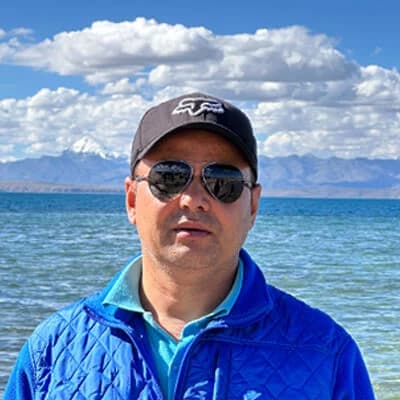
Since 1998, I've dedicated my professional life to Nepal's mountains and the people who visit them. Starting as a porter, working as a cook, and earning my government trekking guide license in 2007, I established my company in 2018 committed to safety, transparency, and ethical operations. Recognized as one of Nepal's young tour organizers (2017-2019), I continue guiding with one principle: your safety comes before my profit. We also promote eco-tourism, providing trekkers with tools to collect waste along trails and preserve our Himalayan environment.