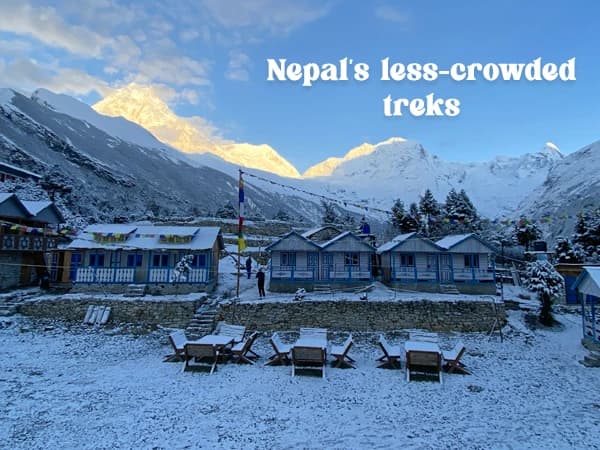
The Annapurna Conservation Area Project (ACAP) has issued an emergency notice. Visitors trekking anywhere other than Jomsom, Muktinath, Ghandruk and other short-distance destinations must be accompanied by a licensed trekking guide, for their own safety.
The Annapurna Circuit falls under this rule. If you are planning the circuit, book a licensed guide through a registered agency before you arrive.
Can You Trek Annapurna Without a Guide in 2026?
Yes, and thousands of trekkers do it every year. Trekking Annapurna without a guide is completely legal in 2026. Nepal reversed its controversial mandatory guide regulation before it applied to the Annapurna region.
You still need the right permits, offline maps, and honest preparation. After 20 years of guiding trekkers through these mountains, I've watched solo walkers thrive on this trail, and I've also rescued unprepared ones at 4,000 metres.
This guide gives you everything you need to make an informed decision. I'll cover the legal status, permits, safety realities, costs, and the exact situations where hiring a guide still makes sense. By the end, you'll know whether going independent is right for you.
The Legal Reality: What Nepal's 2026 Rules Actually Say
Let me be direct about the regulation question, because misinformation is everywhere online.
In 2023, Nepal announced a mandatory guide policy for several high-altitude trekking zones. The Everest region, Langtang, and Upper Mustang fell under that rule. The Annapurna Conservation Area, which covers both the Annapurna Circuit and Annapurna Base Camp trek, was excluded from the mandatory guide requirement.
As of 2026, you do not legally require a guide to trek Annapurna. You can walk independently as long as you carry valid permits. This is a crucial distinction that many travel blogs still get wrong, so verify directly with the Nepal Tourism Board before you travel.
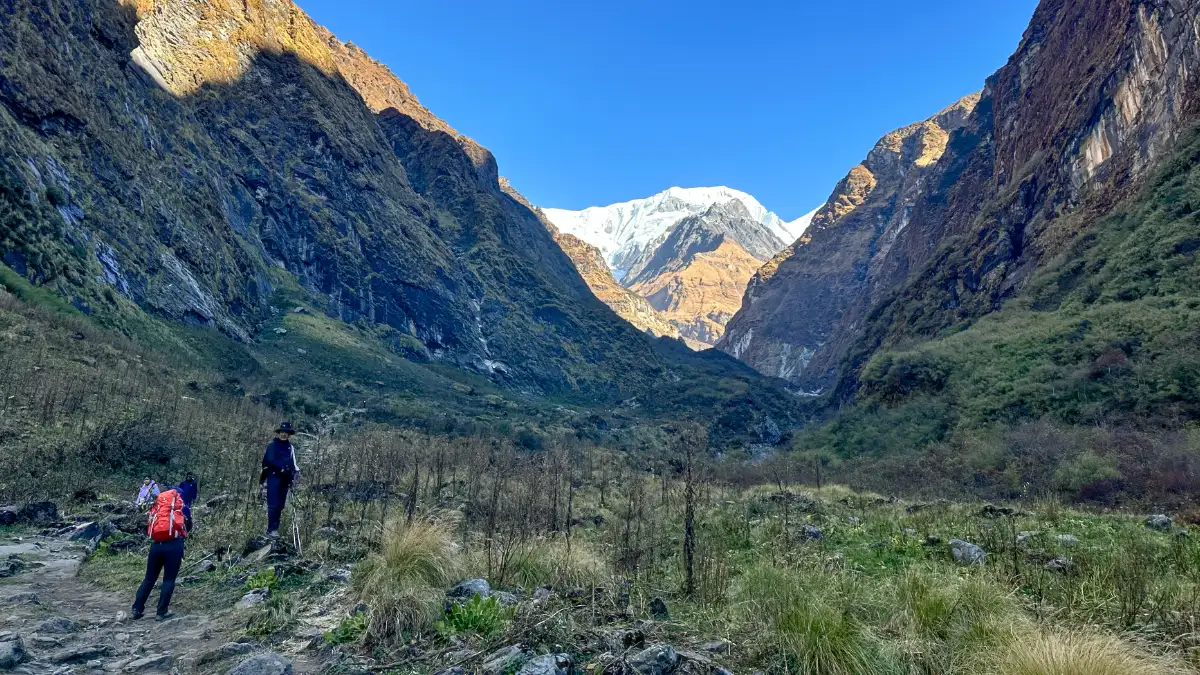
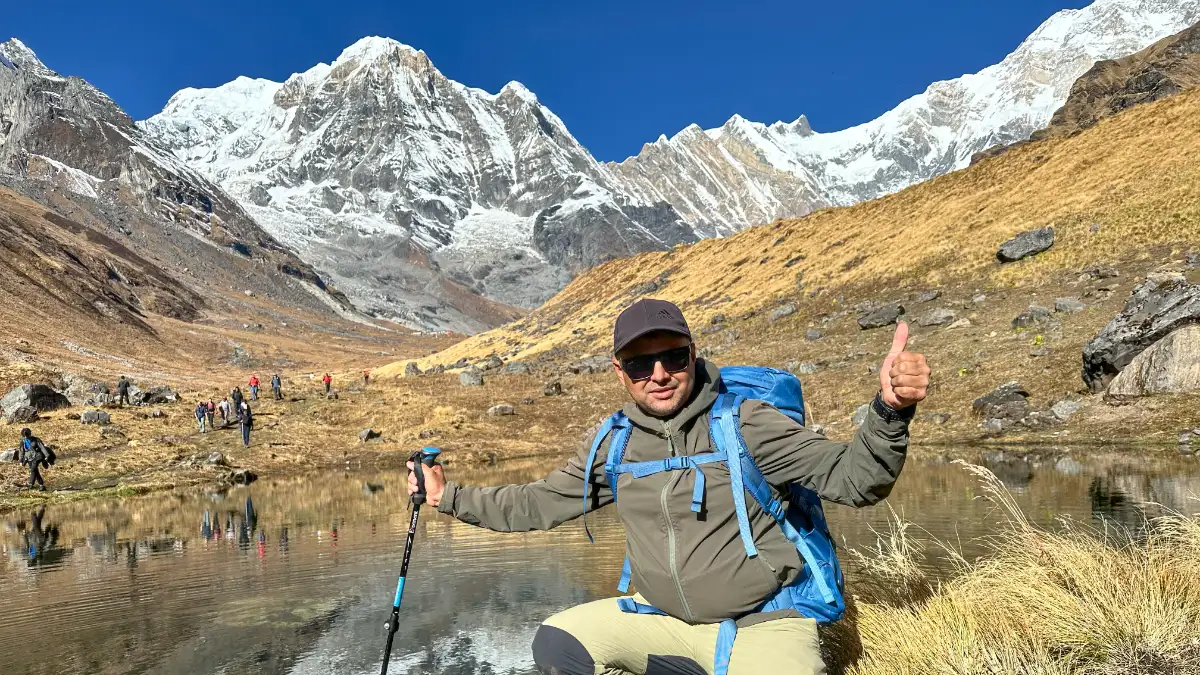
Trekking the Annapurna Base Camp, from Deurali to MBC
Why the Annapurna Region Suits Independent Trekkers
The Annapurna Conservation Area is the most visited trekking destination in Nepal for a reason.
The trail infrastructure here is exceptional. Teahouses appear every one to three hours on the main routes, signage is consistent, and the trail is clearly worn and well-documented. Unlike remote routes in Dolpo or Kanchenjunga, navigation on the Annapurna Circuit or ABC trek rarely demands expert route-finding skills.
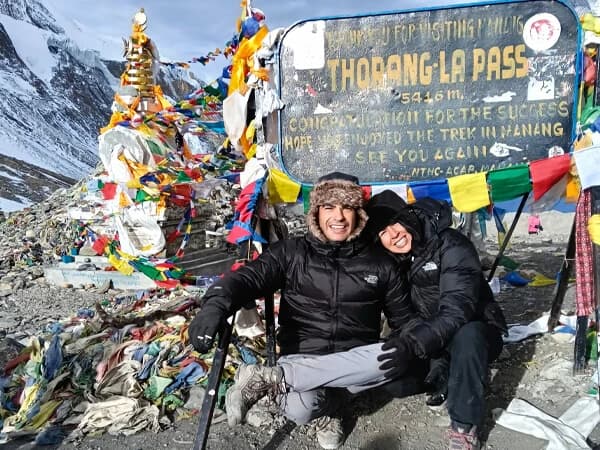
Last October, I met a 28-year-old solo traveller from the Netherlands at Thorong La base camp. She had never trekked at altitude before. She had downloaded offline maps, carried a personal locator beacon, and spent two months building cardio fitness. She crossed the 5,416-metre Thorong La Pass without incident and called it the greatest experience of her life. Preparation, not a guide, determined her success.
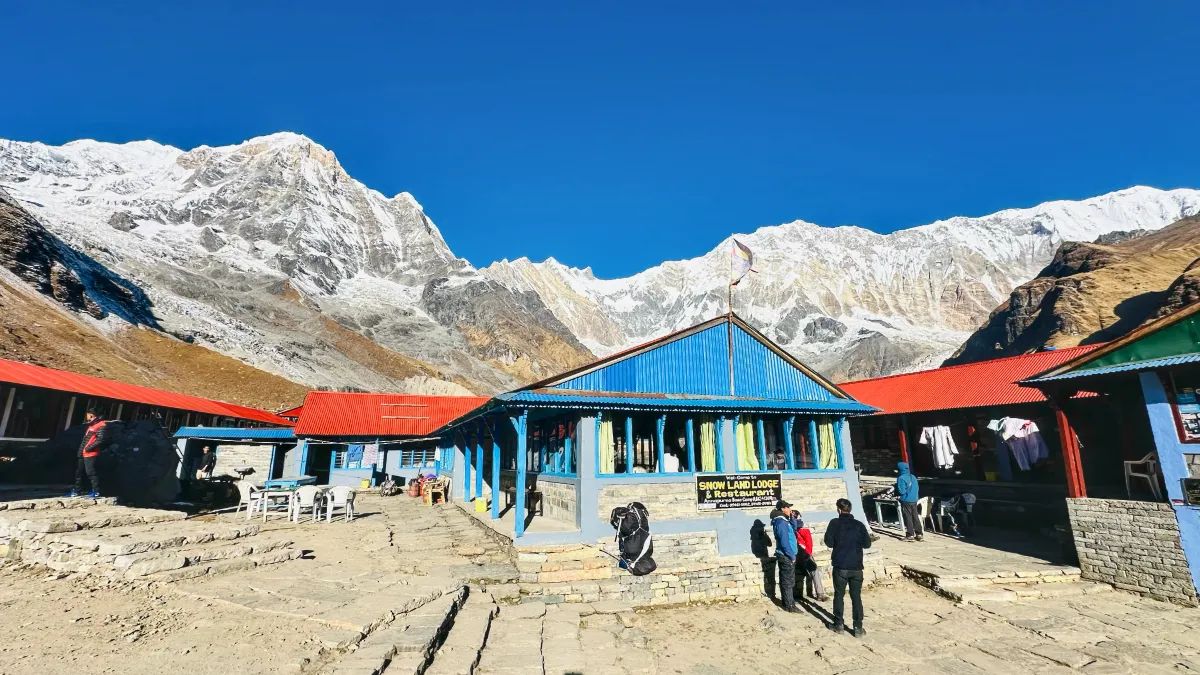
Clear skies and amazing view from Annapurna Base Camp in November
Best Seasons to Trek Annapurna Without a Guide
Timing your solo trek wisely reduces risk significantly. Here's what 20 years of local knowledge tells me.
October to November is the gold standard. Skies are clear after monsoon, trails are dry, and visibility to Dhaulagiri, Annapurna I, and Machhapuchhre is extraordinary. Teahouses are fully operational and crowded enough that you're never truly alone on trail.
March to May offers the second-best window. Rhododendron forests explode in colour, temperatures are pleasant, and the pre-monsoon light is dramatic for photography. Trails are less crowded than autumn, which suits independent trekkers who prefer quieter lodges.
Avoid December to February unless you have winter mountaineering experience. Thorong La Pass frequently closes due to snow. Teahouses above 3,500 metres may shut without notice. Solo trekkers have died on this route in winter, not from altitude alone, but from isolation and exposure when conditions changed without warning.
Avoid the peak monsoon months of July and August. Landslides block sections of the Circuit regularly. Leeches are relentless below 2,500 metres. Visibility is poor, and river crossings become genuinely dangerous.
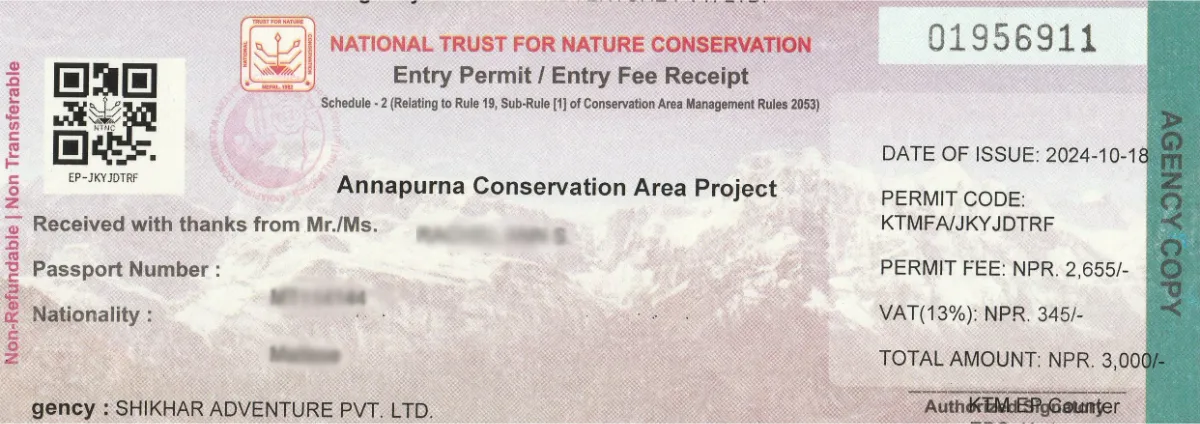
Annapurna Conservation Area Project(ACAP) Permit
Complete Permit Guide for Solo Trekkers in 2026
You need two permits to trek Annapurna without a guide. Missing either one results in fines and removal from the trail.
1. ACAP Permit (Annapurna Conservation Area Permit)
Cost
NPR 3,000 (approximately USD 23) per person
Issued by
Nepal Tourism Board offices in Kathmandu (Bhrikutimandap) or Pokhara (Damside)
Required documents
Passport copy, one passport-size photo
Processing time
Same day, typically under one hour
2. TIMS Card (Trekkers' Information Management System)
Status in 2026
Not currently mandatory for the Annapurna region
Note
Nepal's government suspended the TIMS requirement for Annapurna trekkers as of 2026. We recommend confirming the latest status with the Nepal Tourism Board before departure, as this policy may be reinstated.
If reinstated
NPR 2,000 (approximately USD 15) for independent trekkers
Pro tip: Get your ACAP permit in Pokhara the day before you start. The Damside office is efficient and far less crowded than Kathmandu. Carry a physical copy and photograph it on your phone as backup. Checkpoint officials check your ACAP permit at multiple points along both the Circuit and ABC routes.
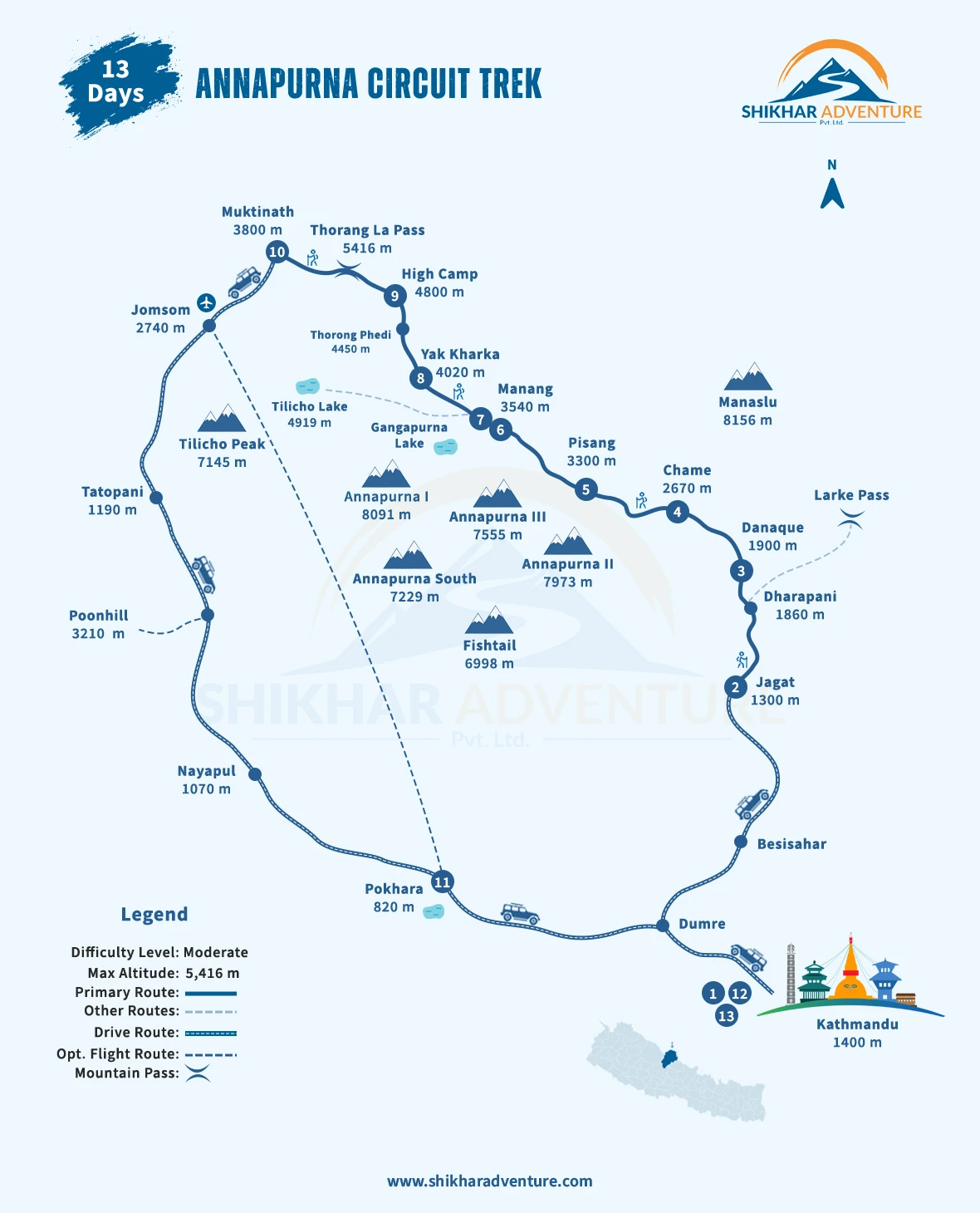
Day-by-Day Itinerary: Annapurna Circuit Without a Guide
This classic 14-to-18-day route remains the most rewarding independent trek in Nepal. I've walked it dozens of times and the trail never stops delivering.
Days 1–2: Kathmandu to Besisahar
Take an overnight bus or jeep from Kathmandu to Besisahar, your starting point. The journey takes seven to nine hours. Most trekkers spend night one in Besisahar (820m) to adjust before the climb begins.
Days 3–5: Besisahar to Chame (2,710m)
The lower circuit winds through rice terraces and traditional Gurung villages. The trail ascends gradually through Bahundanda, Ngadi, and Tal. Accommodation is comfortable and plentiful. Chame offers your first dramatic views of the Annapurna massif.
Days 6–8: Chame to Manang (3,519m)
This stretch introduces you to the rain shadow landscape north of the Himalayas. Pisang and Braka offer stunning monastery visits. Take a mandatory acclimatisation day in Manang, this is non-negotiable for solo trekkers without medical support on trail.
Days 9–10: Manang to Thorong Phedi (4,450m) and the Pass
Start the pass crossing before 5:00 AM without exception.Thorong La (5,416m) is the highest point of the trek and the most dangerous section for solo trekkers in poor weather. Check conditions with teahouse owners the night before. Cross with other trekkers if possible — this is not the day to walk alone.
Days 11–14: Muktinath to Tatopani
Descend into the Kali Gandaki Gorge, the deepest gorge on Earth. Kagbeni, Marpha, and Ghasa offer rich culture, apple brandy, and extraordinary geology. Solo trekkers often linger here longer than planned, budget extra days.
Days 15–17: Tatopani to Nayapul and Pokhara
The southern section passes through the famous Poon Hill viewpoint area. Most trekkers finish at Nayapul and take a jeep or bus back to Pokhara.
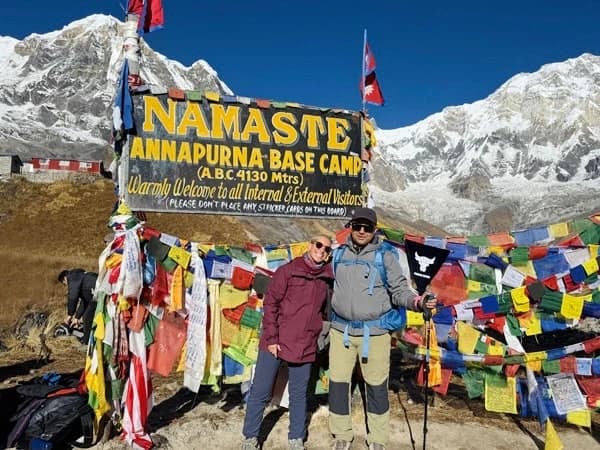
Trekkers approaching Annapurna Base Camp
Annapurna Base Camp Solo Trek: The Shorter Alternative
Alt text suggestion: Trekker approaching Annapurna Base Camp sanctuary at 4,130 metres Nepal
The ABC trek suits solo trekkers who want a shorter, more intense experience. The standard route runs 7 to 11 days from Pokhara via Nayapul, Ghorepani, and Chomrong.
The trail to base camp at 4,130 metres is well-marked and teahouses are available every two to four hours. Navigation is straightforward. However, the final push through the Annapurna Sanctuary demands respect — avalanche risk is real above Deurali, particularly after fresh snowfall.
I carried a solo traveller from Australia off this trail two years ago after she twisted her ankle at 3,800 metres. She recovered fully. But her story reminds me: on the ABC route, injury management without a guide requires planning. Carry a satellite communicator, not just a phone.
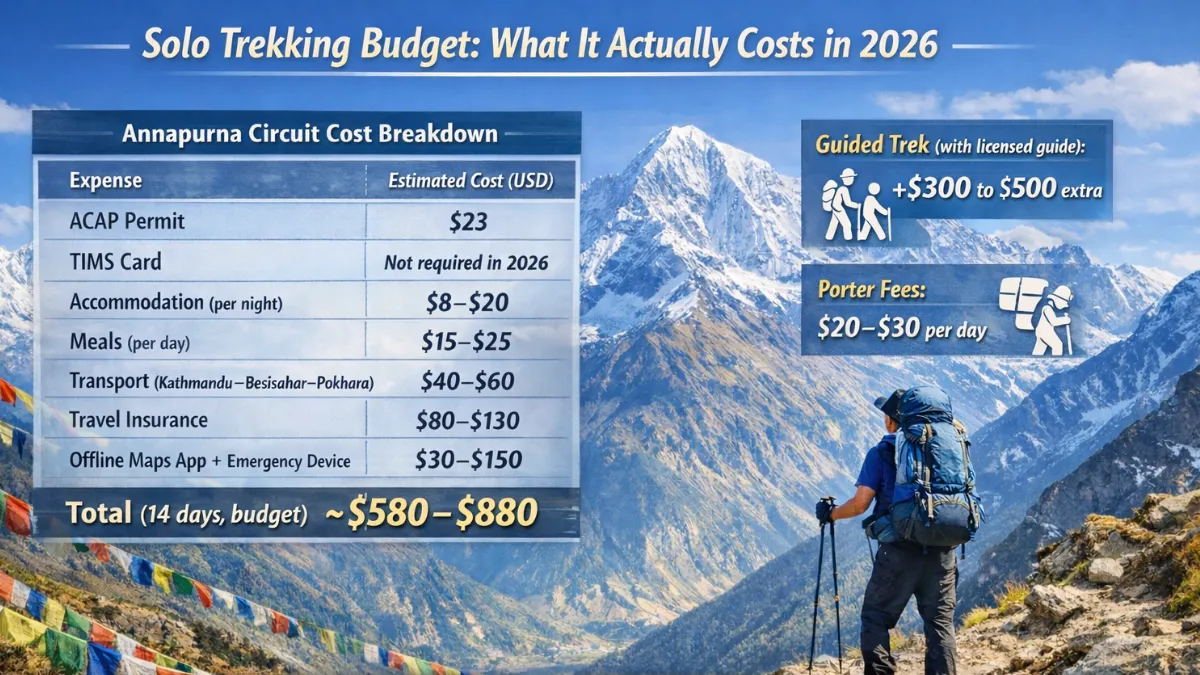
Annapurna Circuit solo trek cost for 14 days, including permits, meals, and optional guides or porters
Solo Trekking Budget: What It Actually Costs in 2026
Many trekkers choose the independent route to save money. Here's an honest breakdown for the Annapurna Circuit.
Expense
Estimated Cost (USD)
ACAP Permit
$23
TIMS Card
Not required in 2026
Accommodation (per night)
$8–$20
Meals (per day)
$15–$25
Transport (Kathmandu–Besisahar–Pokhara)
$40–$60
Travel Insurance (with helicopter evacuation)
$80–$130
Offline Maps App + Emergency Device
$30–$150
Total (14 days, budget)
~$580–$880
A guided trek with a reputable agency adds $400 to $900 for a licensed guide, depending on the route and duration. Porter fees run separately at $20 to $30 per day.
The Annapurna trail is well-marked — but well-marked does not mean foolproof. Carry these tools before you leave Pokhara.
Maps.me or Gaia GPS - Download the Annapurna region offline before you lose cellular signal above Chame. Both apps work without data and show teahouse locations.
Garmin inReach Mini 2 - A satellite communicator allows two-way messaging and SOS signalling anywhere on the planet. This device costs around $350. It is the single best investment a solo trekker without a guide can make.
A physical trekking map - Buy the Himalayan MapHouse 1:125,000 Annapurna map in Pokhara or Thamel for under $5. It is weatherproof and covers every junction on the circuit.
Safety: The Honest Assessment for Solo Trekkers
I respect every trekker's right to walk independently. I also owe you honesty about the risks.
Altitude sickness does not discriminate. Fitness level, age, and previous altitude experience do not predict who gets AMS (Acute Mountain Sickness). Solo trekkers face a specific danger: there is no one to recognise your symptoms when your judgement begins to deteriorate. Carry Diamox if your doctor prescribes it and know the descent rule, if symptoms worsen at altitude, descend immediately, regardless of how close the pass is.
Injury and isolation are the second major risk. A sprained ankle at 4,000 metres on a quiet trail section is a serious emergency. Helicopter evacuation from Thorong La costs $3,000 to $6,000 without insurance. Travel insurance with helicopter rescue is not optional, it is mandatory for responsible solo trekking.
Weather changes fast. In November 2014, a sudden snowstorm killed 43 trekkers on the Annapurna Circuit within 48 hours. Most were experienced walkers who underestimated the speed of the front. Monitor weather daily at teahouses and build flexibility into your schedule. Never push through deteriorating conditions to meet a flight deadline.
When You Should Hire a Guide Anyway
I've guided independently for two decades, and I'll tell you clearly: some trekkers benefit enormously from having a guide.
Hire a guide if:
You have no prior trekking experience above 3,000 metres
You are trekking in shoulder season or early winter
You have a medical condition that affects your altitude tolerance
You want cultural interpretation of the villages and monasteries you pass
You feel genuinely uncertain about navigating independently
A licensed Nepali guide earns fair wages, contributes to local communities, and adds deep cultural value to your trek. Hiring one is not an admission of weakness — it is a smart choice for the right person. Many of our clients hire a guide for their first Annapurna trek and return to walk it solo the second time.
Start your preparation at least 8 to 12 weeks before departure. This timeline produces the best results.
Weeks 1–4
Build your aerobic base with 45-minute cardio sessions four times weekly. Running, cycling, and swimming all work. Add one longer hike on weekends.
Weeks 5–8
Introduce weighted hiking with a 10 to 12 kg pack. Prioritise uphill sessions, the Annapurna Circuit involves 7,000+ metres of cumulative ascent. Your knees and hip flexors need trail-specific conditioning.
Weeks 9–12
Taper intensity but maintain frequency. Add yoga or mobility work to protect joints. Practice with your exact gear setup, boots, poles, pack, on your long weekend hikes.
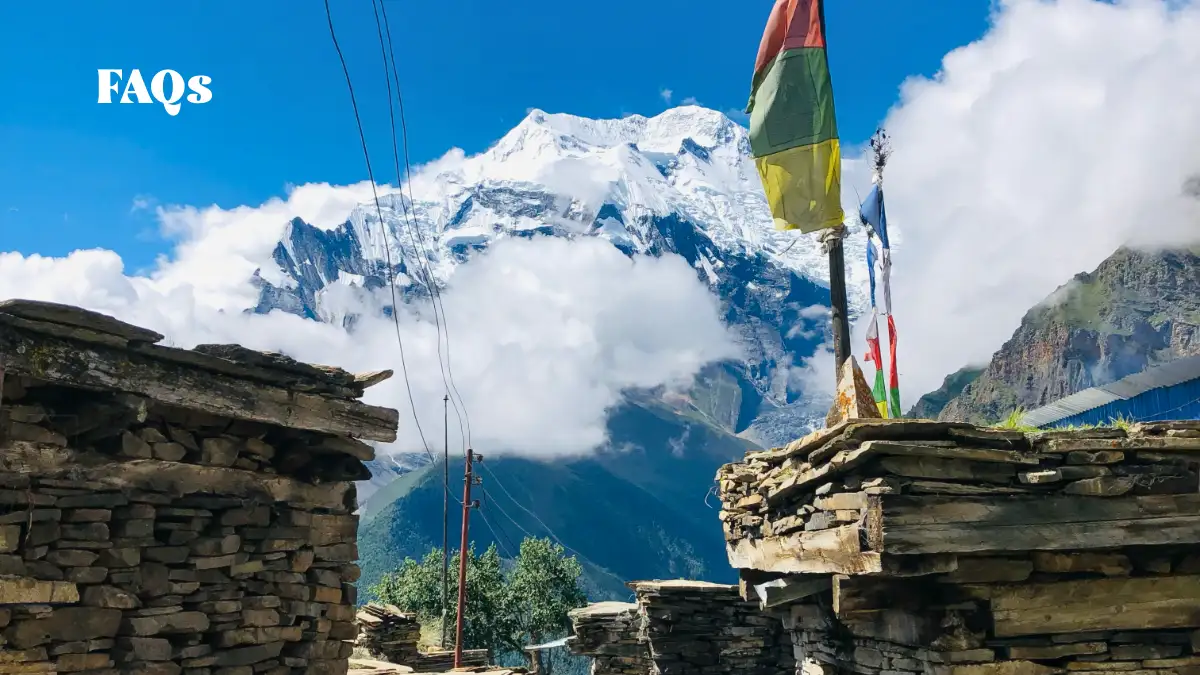
Frequently Asked Questions | Annapurna Trek
FAQ: Trek Annapurna Without a Guide
Is it legal to trek Annapurna without a guide in 2026?
Yes, completely legal. The Annapurna Conservation Area is exempt from Nepal's mandatory guide regulation that applies to some other trekking zones. You need a valid ACAP permit.
Contact us to confirm the latest permit requirements before you travel → Contact Us
What permits do solo trekkers need for Annapurna?
The ACAP permit (NPR 3,000 / ~USD 23) is required. The TIMS card is not currently mandatory for the Annapurna region in 2026. Get your ACAP permit in Pokhara or Kathmandu before the trek starts and carry originals plus photo copies.
Is Annapurna safe for solo female trekkers without a guide?
Hundreds of women trek Annapurna solo every year without incident. The main route has consistent teahouse communities and other trekkers on trail. Choosing a reputable, women-run teahouse in each village adds an extra layer of comfort.
How do I navigate the Annapurna Circuit without a guide?
Download Maps.me or Gaia GPS offline maps before you leave Pokhara. The trail is well-marked with signage at most junctions. Carry a Himalayan MapHouse paper map as backup. The trail from Besisahar to Nayapul is walked by thousands of trekkers annually.
What is the cost difference between solo and guided trekking?
A solo trek costs approximately $600–$900 for 14 days including permits, accommodation, food, and transport. A guided trek adds $400–$600 for a licensed guide depending on the route. The solo saving is real but weigh it against the value of experience and safety support.
Can I hire a guide on the trail if I change my mind?
Freelance guides operate in Besisahar, Chame, Manang, and Pokhara. Rates vary but expect NPR 2,500–3,500 (USD 20–30) per day. Hiring on-trail is possible but carries no agency vetting.
What happens in a medical emergency if I trek solo?
Call the ACAP emergency number posted at teahouses, or use your satellite communicator to trigger a rescue. Helicopter evacuation is available from most points on the circuit. This is why travel insurance with heli-evacuation cover is essential, costs run $3,000–$6,000 per flight without it.
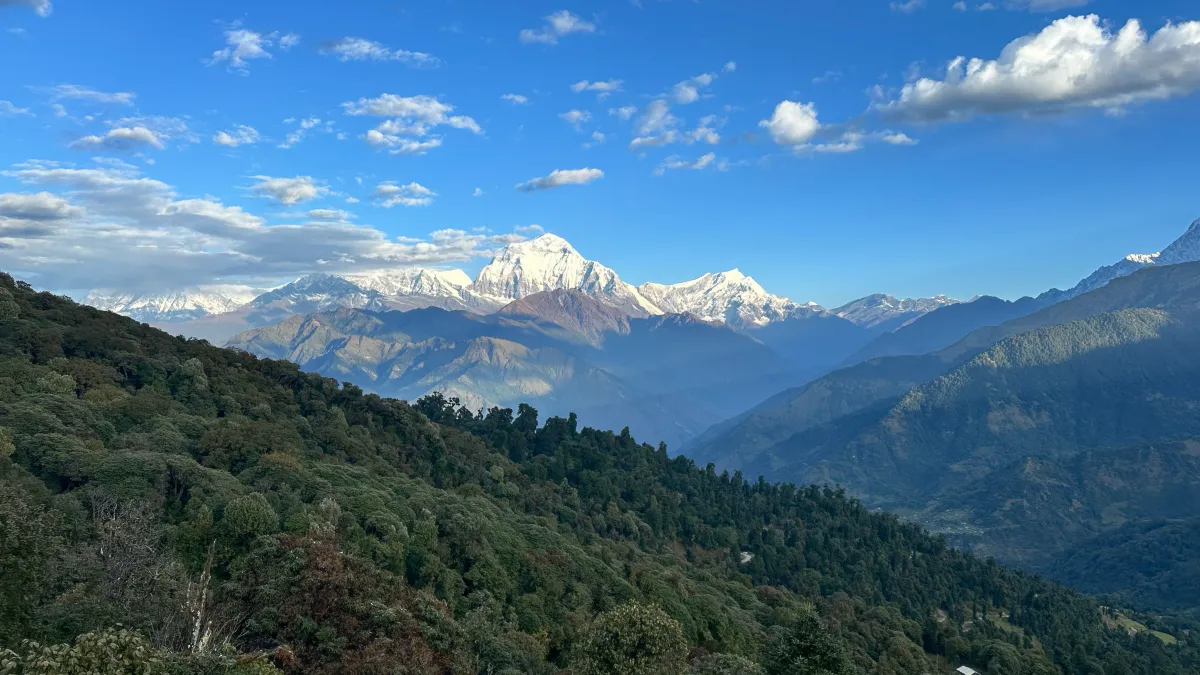
Trekking the Annapurna Region: Poonhill Trek
Conclusion: Your Annapurna Decision Starts Here
Trekking Annapurna without a guide in 2026 is legal, achievable, and deeply rewarding, if you prepare correctly. The right permits, reliable navigation tools, solid travel insurance, and an honest assessment of your fitness and experience will get you safely around one of the world's greatest mountain trails.
The Annapurna Circuit changed how I see the world the first time I walked it. Twenty years later, it still does. Whether you walk it solo or with one of our licensed guides beside you, this trail will do the same for you.
Ready to plan your Annapurna trek? Our expert team answers every question, permits, logistics, routes, and safety, with no obligation. Spaces fill fast for October and November 2026.
👉 Send Us Your Trek Enquiry — Free Expert Consultation → Customize your trip
Written by a senior Nepal trekking guide with 20+ years of experience on the Annapurna trails. All permit fees and regulations verified as of February 2026. Contact us for the most current checkpoint and permit information before your departure.