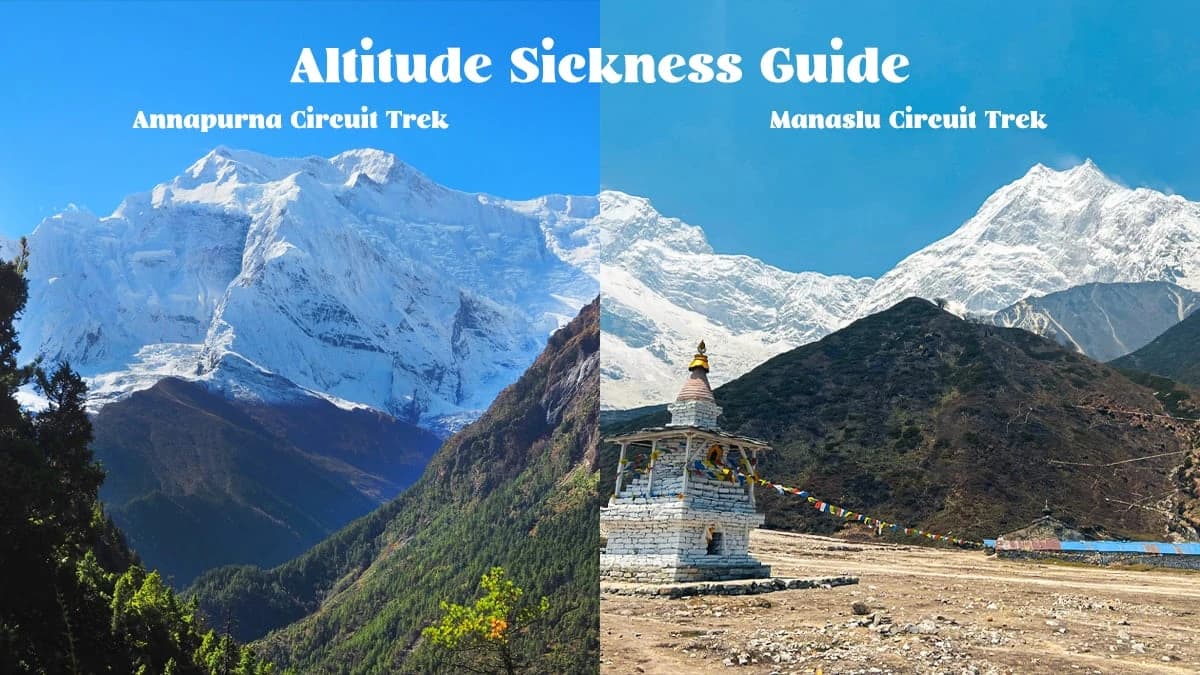
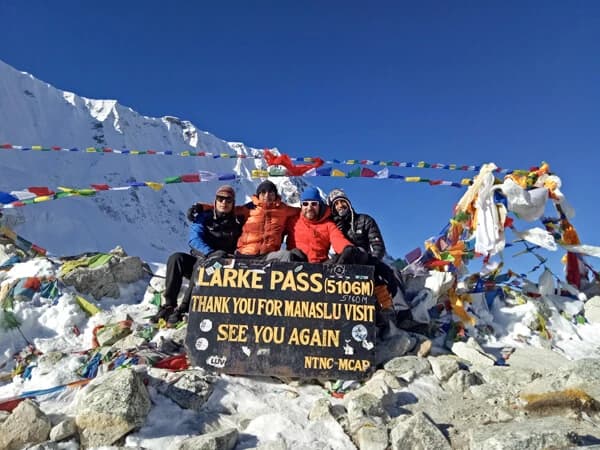
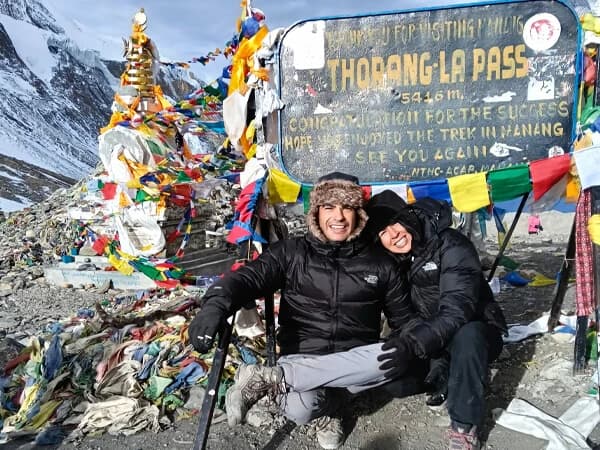
Altitude sickness is the single biggest health risk on both the Annapurna Circuit and Manaslu Circuit treks. Thorong La Pass sits at 5,416 m and Larkya La Pass sits at 5,106 m. Both sit well above the threshold where Acute Mountain Sickness, HACE, and HAPE become serious threats. This guide covers symptoms, step-by-step acclimatization protocols for each trek, emergency decisions, and exactly how to prepare before you leave home.
Altitude Sickness on Annapurna Circuit and Manaslu Circuit Treks: The Step-by-Step 2026 Guide
What Every Trekker Needs to Know Before Crossing the Pass
Altitude sickness on the Annapurna Circuit is not a rare edge case. Studies show that 25 to 50 percent of trekkers crossing Thorong La experience mild AMS symptoms. The Manaslu Circuit carries a similar risk at Larkya La, with fewer bail-out options along the route.
Here is the direct answer: altitude sickness Nepal trekking is serious if you ignore it. It is manageable if you prepare correctly.
In 20 years guiding both circuits, I have managed over 40 AMS cases. Every single trekker descended safely. The reason was not luck. It was a plan they understood and followed.
This guide gives you that exact plan. No filler, no scenery poetry. Just the medical facts, the protocols, and the decisions that keep you safe above 4,000 m.
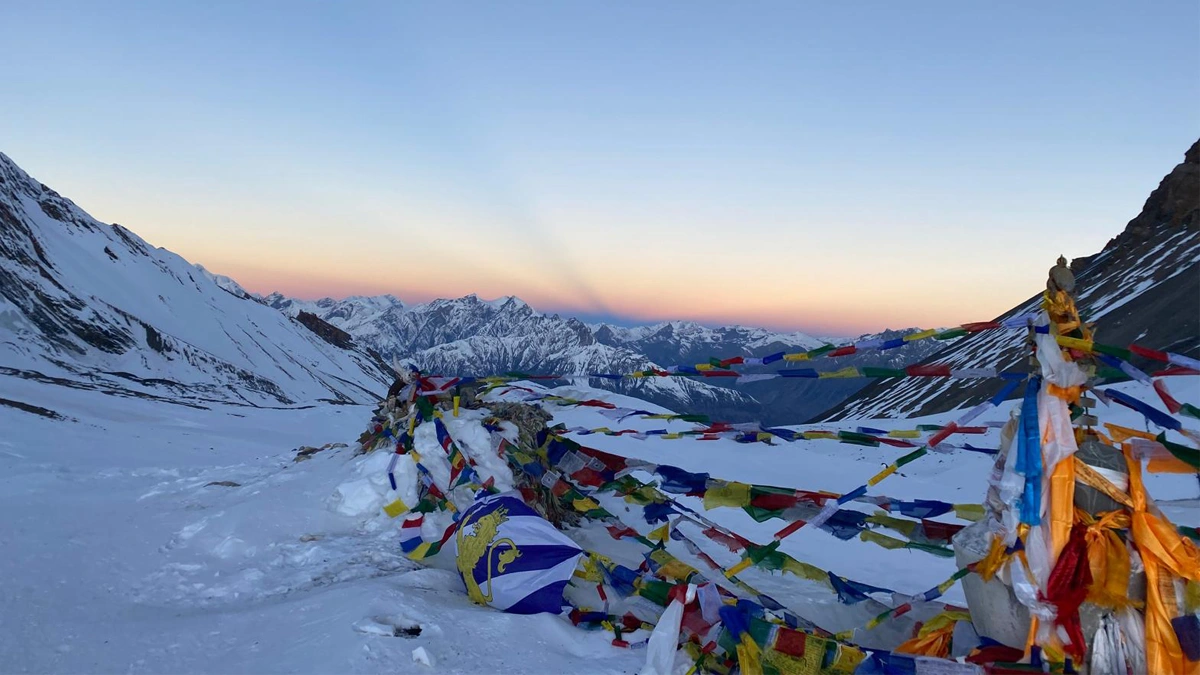
Thorong La Pass (5,416m) - Highest point on the Annapurna Circuit
What Is Altitude Sickness? AMS, HACE, and HAPE Defined
Altitude sickness Nepal trekkers face falls into three categories. Each is distinct. Each requires a different response.
Condition
What Happens
Severity
Action Required
AMS (Acute Mountain Sickness)
Headache plus one or more of: nausea, fatigue, dizziness, poor sleep
Mild to Moderate
Rest, hydrate, do not ascend
HACE (High Altitude Cerebral Edema)
Brain swelling. Symptoms: confusion, loss of coordination, severe headache
Life-Threatening
Descend immediately, Dexamethasone
HAPE (High Altitude Pulmonary Edema)
Fluid in the lungs. Symptoms: breathlessness at rest, pink frothy cough
Life-Threatening
Descend immediately, Nifedipine
Most trekkers only ever face AMS. HACE and HAPE are rare. But they escalate fast, and that speed is what makes them deadly on a remote trail.
The Lake Louise Score: Your Personal AMS Checklist
The Lake Louise Score (LLS) is the standard field tool for assessing AMS. Score one point for each symptom present within the last 12 hours:
Headache (required for diagnosis)
Nausea or vomiting
Fatigue or weakness
Dizziness or lightheadedness
Difficulty sleeping
LLS Score Interpretation
Score 1-2: Monitor closely. Rest at current altitude. Do not ascend.
Score 3-4: AMS confirmed. Rest. Take ibuprofen for headache. Descend if no improvement in 24 hours.
Score 5+: Severe AMS. Descend now. Consider Dexamethasone. Do not wait for morning.
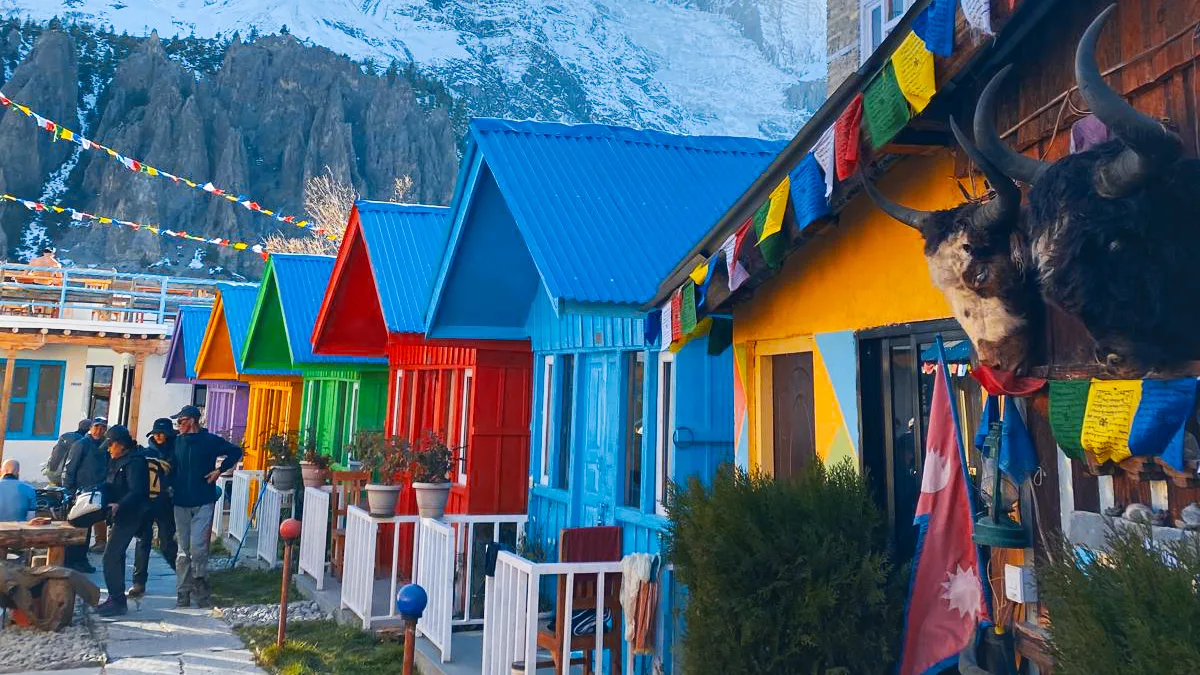
Teahouse in Manang - Critical acclimatization stop at 3,500m
Why the Annapurna Circuit and Manaslu Circuit Are High-Risk Altitude Environments
Both routes push trekkers to extreme altitudes within a tight itinerary. That rapid altitude gain is the core risk factor.
Feature
Annapurna Circuit (AC)
Manaslu Circuit (MC)
Highest Point
Thorong La Pass: 5,416 m
Larkya La Pass: 5,106 m
Key Acclimatization Stop
Manang: 3,500 m
Samagaon: 3,530 m
Bail-Out Options
Multiple villages below pass
Very limited on west side
Rescue Access
Helicopter feasible from most points
Remote; delays are common
Licensed Guide Required?
No (recommended)
Yes (mandatory by law)
Typical Trek Duration
14-18 days
14-18 days
AMS Risk Level
High above Manang
High above Samagaon
The AC has more infrastructure. Teahouses, medical posts, and rescue access are easier. The Manaslu Circuit is more isolated. That isolation rewards experienced trekkers. It punishes those who underestimate acclimatization Nepal requirements.
Last October, I guided a group on the MC. One member, a 34-year-old marathon runner from Australia, developed a headache at Samagaon and shrugged it off. By midnight, his LLS score was 5. We descended 400 m to Samdo before dawn. He crossed Larkya La two days later, safely. His fitness was irrelevant. His decision to listen was everything.
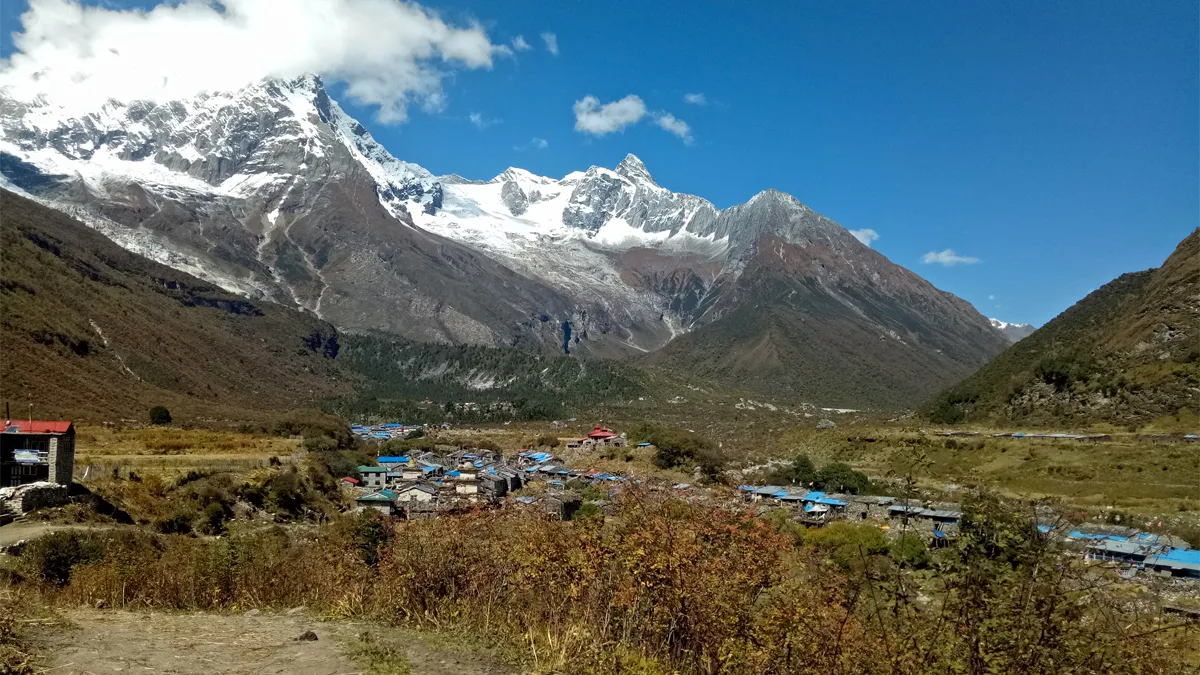
Samagaon (3,530m) - Main acclimatization village on Manaslu Circuit
Step-by-Step Acclimatization Guide for AC and MC Treks in 2026
Follow this protocol precisely. These are the rules that work. They are based on Wilderness Medical Society (WMS) 2024 guidelines and two decades on these exact trails.
Step 1: Learn the Golden Rules Before You Leave Home
Acclimatization trekking Nepal begins before you board the flight. The core rules are non-negotiable above 3,000 m:
Climb high, sleep low whenever possible
Gain no more than 500 m of sleeping altitude per day above 3,000 m
Take one full rest day for every 1,000 m gained above 3,000 m
Drink 3 to 4 litres of water per day, every day
Avoid alcohol above 3,500 m, especially in the first two days at a new altitude
These rules apply equally on the Annapurna Circuit and the Manaslu Circuit. There are no shortcuts.
Step 2: Recognise AMS Symptoms Early with the LLS Checklist
Run the Lake Louise Score on yourself every evening. Do it before dinner. A headache after a long day at altitude is common. A headache that persists after two glasses of water and ibuprofen is a signal.
Never dismiss a high altitude headache Nepal trekkers experience as normal tiredness. That dismissal is where problems begin.
'I felt fine at lunch, so I kept walking.' This is the sentence I hear most often from trekkers who end up in trouble by midnight.
Step 3: Follow the Annapurna Circuit Acclimatization Protocol
The AC has a well-established schedule. Stick to it exactly.
Day
Location
Altitude
Action
Day 7 (approx)
Manang
3,500 m
Mandatory rest day. Do not ascend to Thorong Phedi.
Rest Day Activity
Ice Lake hike
4,600 m
Day hike only. Return to sleep in Manang.
Day 8
Thorong Phedi / High Camp
4,540 m
Short ascent. Early sleep. No alcohol.
Day 9
Thorong La crossing
5,416 m
Start by 4:30 AM. Descend fully to Muktinath same day.
The Ice Lake hike on rest day is not optional sightseeing. It is structured acclimatization. You ascend to 4,600 m and return to 3,500 m to sleep. That cycle accelerates red blood cell production.
The early start at Thorong La is also not flexible. Wind and weather deteriorate by mid-morning. Altitude sickness Annapurna Circuit complications rise sharply in trekkers who start after 7 AM.
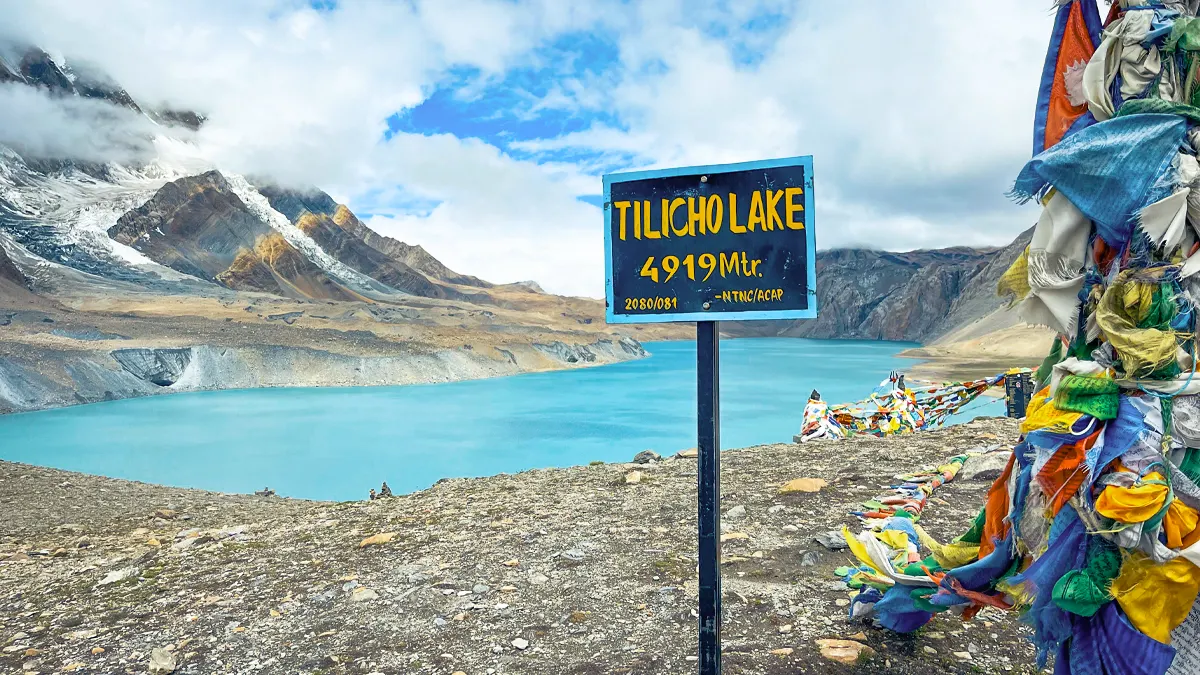
Tilicho Lake (4,919m) - Optional high-altitude acclimatization side trip
Step 4: Follow the Manaslu Circuit Acclimatization Protocol
The MC protocol is stricter because bail-out options near Larkya La are limited.
Day
Location
Altitude
Action
Day 9 (approx)
Samagaon
3,530 m
Mandatory rest day. Hike toward Manaslu Base Camp (4,200 m) and return.
Day 10
Samdo
3,860 m
Buffer night. Gives extra acclimatization before Larkya La.
Day 11
Dharamsala / Larkya Phedi
4,460 m
Short day. Arrive early. Sleep well.
Day 12
Larkya La crossing
5,106 m
Start by 4:00 AM. Descend fully to Bimthang.
The Samdo buffer night is the most underrated acclimatization day on the entire MC route. Many budget itineraries skip it. Do not skip it. The extra night at 3,860 m makes Larkya La significantly safer.
Last November, I guided a 58-year-old retired teacher from Canada on the MC. She had never trekked above 3,000 m. We followed this protocol exactly, including the Samdo night. She crossed Larkya La altitude at her own steady pace and cried at the top. No AMS, no drama.
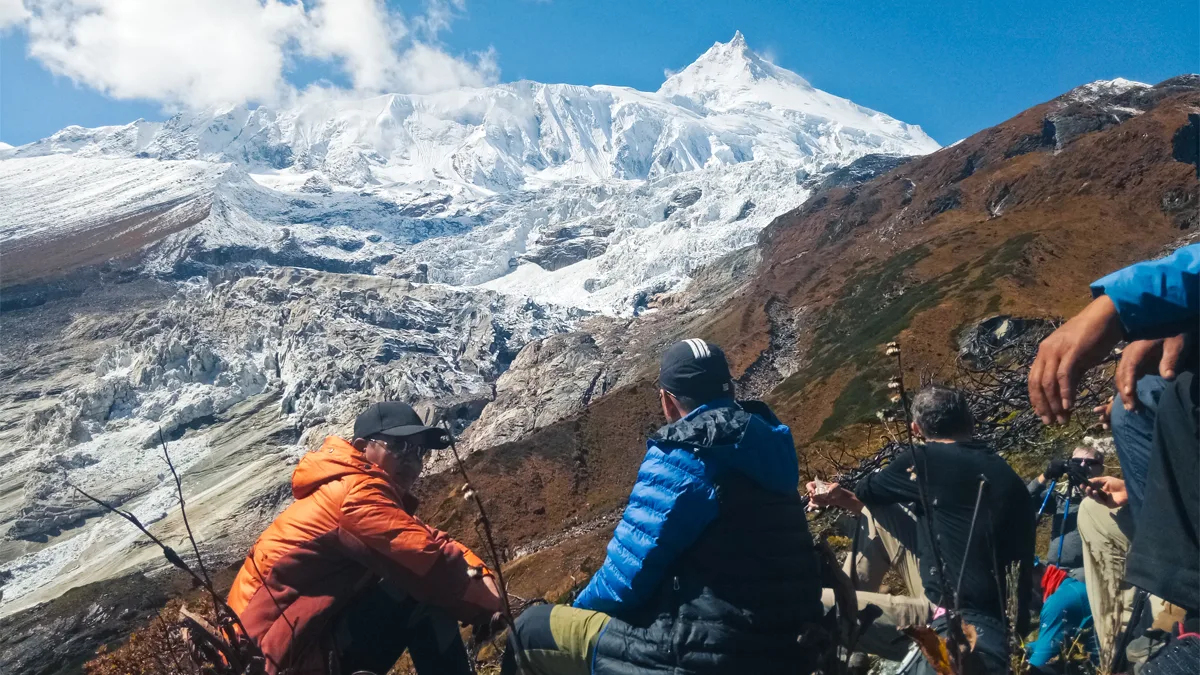
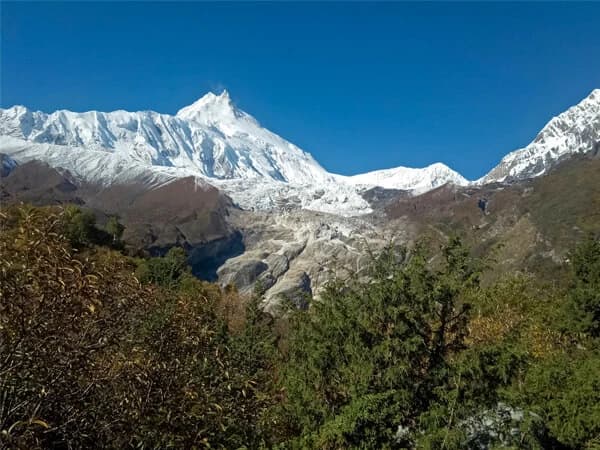
Manaslu from Birendra Lake - Essential acclimatization hike from Samagaon
Step 5: Understand Diamox: When and How to Use It
Diamox (Acetazolamide) is a prescription medication that speeds up acclimatization. It is not a cure for altitude sickness Nepal trekkers face. It is a tool that helps some people adjust faster.
Standard dose: 125 mg twice daily, starting 24 hours before ascent
Who benefits most: trekkers with a history of AMS, those on faster itineraries
Common side effects: tingling in fingers and toes, increased urination, mild fatigue
Contraindication: sulfa drug allergy. Consult your doctor before use
Diamox trekking Nepal use has increased significantly since 2022. It works. But it does not replace acclimatization days or the golden rules. Trekkers who take Diamox and skip rest days still get AMS.
Step 6: Know Exactly When to Descend
This is the rule that saves lives. Say it, memorize it, repeat it to your trekking partner:
Never ascend with AMS symptoms. Descend immediately if symptoms worsen overnight.
A descent of 300 to 500 m is usually enough to stop AMS progression. For HACE or HAPE, descend as far and as fast as safely possible. Use a Gamow bag if one is available at the teahouse.
Gamow bags are present at some major teahouses in Manang on the AC. They are rare on the MC. Do not plan your safety around having one available.
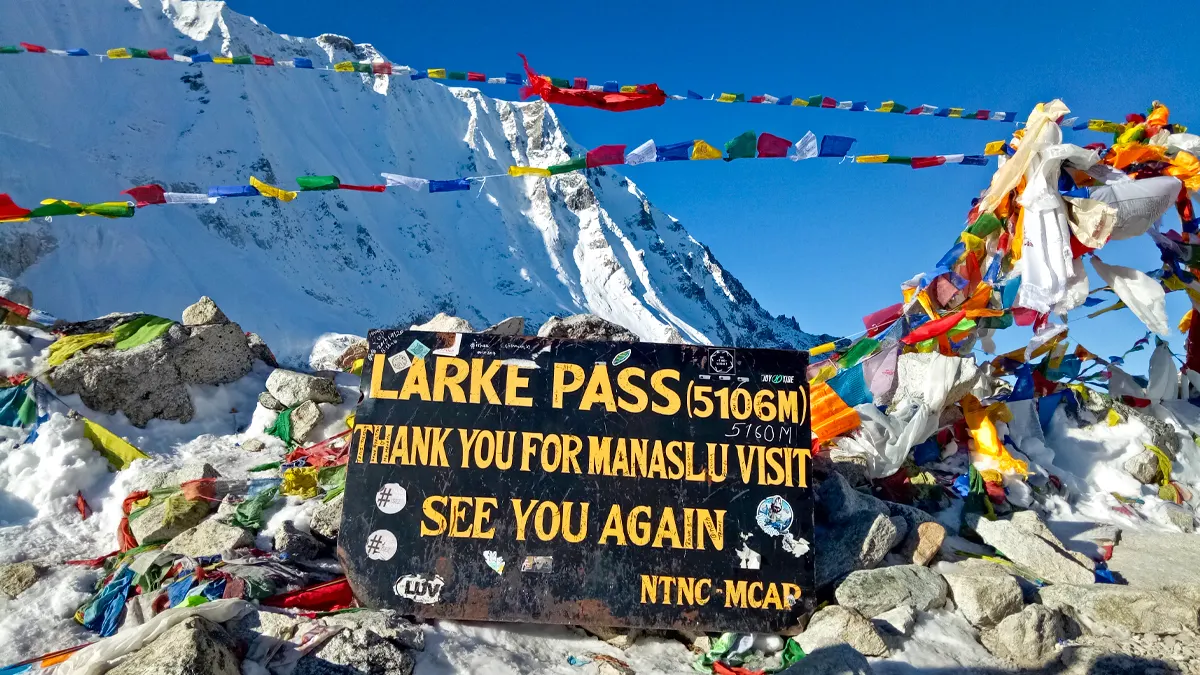
Larkya La Pass (5,106m) - Critical altitude test on Manaslu Circuit
Step 7: Know the Emergency Protocol Before You Need It
Helicopter rescue from the AC and MC is possible but expensive. In 2026, evacuation costs between USD 3,000 and USD 5,000 depending on pickup location and weather.
Travel insurance with helicopter evacuation cover is mandatory, not optional
Your guide holds the emergency contact numbers. Confirm this on Day 1 of the trek
TIMS card and permits must be carried at all times for rescue coordination
Oxygen canisters provide temporary relief. They are not a substitute for descent
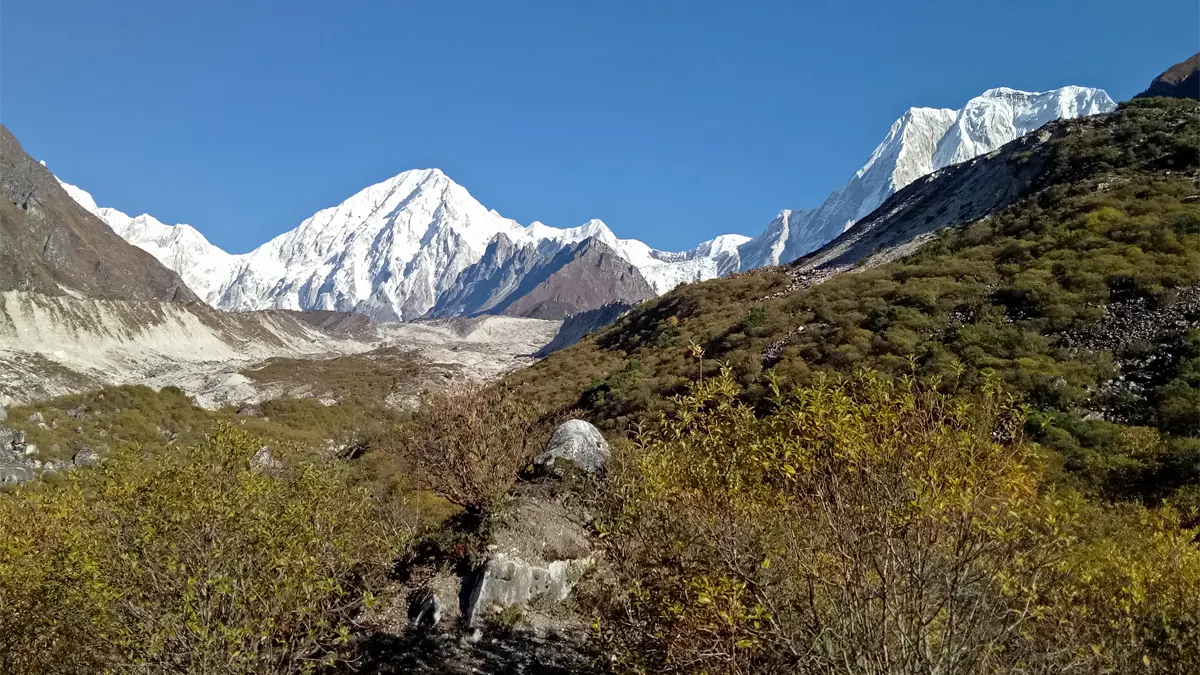
Manaslu Circuit altitude profile - Understanding elevation gain for proper acclimatization
Permits, Prep, and Packing for Altitude Health in 2026
2026 Permit Requirements
Permit
Annapurna Circuit
Manaslu Circuit
Conservation Area Permit
ACAP: NPR 3,000
MCAP: NPR 3,000
TIMS Card
NPR 2,000
NPR 2,000
Restricted Area Permit
Not required
NPR 100/day (min 7 days)
Licensed Guide
Recommended, not mandatory
Mandatory by law
Medical Preparation Checklist
Consult your doctor 6 to 8 weeks before departure
Obtain a Diamox prescription if appropriate for your profile
Purchase travel insurance with minimum USD 5,000 helicopter evacuation cover
Carry a pulse oximeter. Readings below SpO2 90% at altitude require attention
Pack ibuprofen (headache), oral rehydration salts (hydration), and antihistamines
12-Week Fitness Timeline
Fitness does not prevent AMS. It reduces the physical strain that can worsen it. Prepare your cardiovascular system with this timeline:
Weeks 1 to 4: Cardio 4 times per week, 30 to 45 minutes. Focus on sustained effort.
Weeks 5 to 8: Add elevation gain hikes on weekends. Target 600 to 900 m of climb per session.
Weeks 9 to 12: Increase pack weight to 8 to 10 kg. Simulate two consecutive long days.
Stop smoking at least 4 weeks before departure. Lung capacity is directly relevant above 4,000 m.
Safety Deep-Dive: What the Trail Actually Looks Like
Night-time deterioration is one of the most common surprises for trekkers. Many feel fine at 6 PM and wake at 2 AM with a pounding headache. Altitude sickness frequently worsens during sleep because breathing slows down.
That is why the evening LLS check matters. Do it before you sleep, not after.
Guide quality makes a measurable difference on both treks. A certified guide knows when to push and when to stop. On the MC specifically, where bail-out points are limited, that judgement is the difference between a successful crossing and an emergency.
What Teahouses Can and Cannot Do
Most teahouses above 3,500 m stock basic medications including ibuprofen and acetazolamide
Teahouse staff are not medically trained in most cases. Do not rely on them for diagnosis
Some Manang teahouses have Gamow bags available on request
Teahouses at Larkya Phedi have limited resources. Carry your own kit
In two decades on these trails, every serious AMS case I managed had one thing in common. The trekker knew something was wrong and kept walking anyway. The mountain does not punish those who rest. It punishes those who pretend.
Prepare correctly. Respect the acclimatization schedule. Trust your guide. Those three habits have brought every one of my trekkers home safely.
Frequently Asked Questions
Is altitude sickness dangerous on the Annapurna Circuit?
Yes, at 5,416 m it is a genuinely high-risk environment. With correct acclimatization and a mandatory rest day in Manang, the vast majority of trekkers cross Thorong La safely. Our guided treks build the full protocol into every itinerary.
Do I need Diamox for Nepal trekking in 2026?
Diamox is not mandatory, but it is strongly recommended for trekkers with any history of AMS or those on faster itineraries. You need a prescription. It is not a shortcut around acclimatization days.
What is the altitude at Thorong La and Larkya La?
Thorong La Pass on the Annapurna Circuit is 5,416 m. Larkya La Pass on the Manaslu Circuit is 5,106 m. Both are well above the 3,000 m threshold where AMS risk rises sharply.
Can physically fit trekkers still get altitude sickness?
Yes. AMS has no correlation with age, fitness, or prior trekking experience. The marathon runner and the retired teacher face exactly the same risk. Preparation and acclimatization are the only variables you can control.
What happens if I get HACE or HAPE on the trail?
Descend immediately. Helicopter evacuation costs USD 3,000 to 5,000, which is why travel insurance with heli-evac cover is non-negotiable. Your guide will activate emergency contacts. Do not wait for morning.
How many rest days do I need on the AC and MC?
Minimum one full rest day in Manang on the AC. On the MC, one rest day in Samagaon plus the buffer night in Samdo is the recommended protocol. Compressing this timeline significantly raises your AMS risk.
Is the Manaslu Circuit more dangerous than the Annapurna Circuit for altitude?
Both are serious high-altitude environments. The MC has fewer bail-out options and requires a licensed guide by law. The AC has more infrastructure and medical support points. Neither is categorically safer. Both require the same disciplined acclimatization approach.
Ready to Trek? Here Is What to Do Next
Altitude sickness on the Annapurna Circuit and Manaslu Circuit is real. It is also predictable and manageable with the right plan. The protocol in this guide has worked for hundreds of trekkers over 20 years. It will work for you.
Trekkers who respect the acclimatization schedule, know their LLS score, and trek with a certified guide cross both passes with confidence. The summit is earned by patience, not pace.
Plan Your 2026 AC or MC Trek Now
Permits and guide slots fill up fast for the October-November season. Our 2026 itineraries include mandatory acclimatization days, certified altitude-trained guides, and full emergency protocols built in.
Book your Annapurna Circuit or Manaslu Circuit package today, or download our free Altitude Sickness Pocket Guide to carry on the trail.