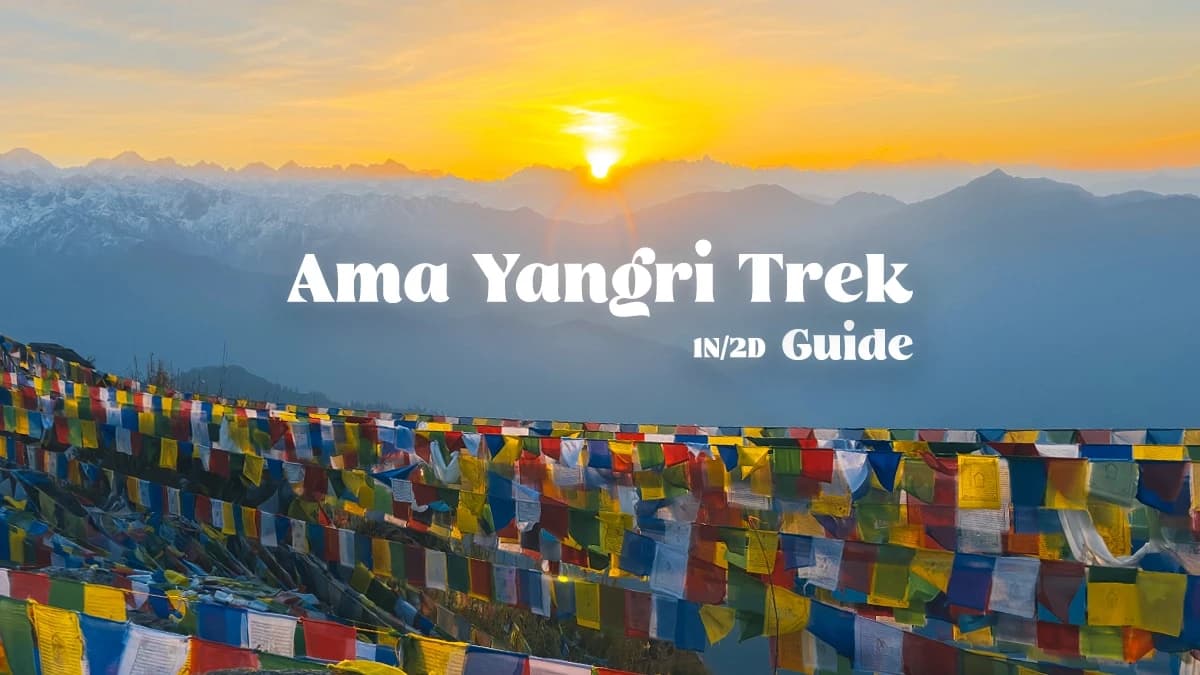
Leave Kathmandu on a Friday morning. Sleep at the base of a sacred Himalayan peak that night. Watch the sunrise light up the Langtang range from 3,771 meters at dawn. Be back in your hotel by Saturday evening. The Ama Yangri Trek is the best-kept short trek secret in Nepal, and this is your complete guide to doing it right.
Can You Really Do a Himalayan Summit in a Weekend? Here Is the Honest Answer.
This is the question most people bring to me. Not "is it nice?" They want to know if it is actually possible, in two days, from Kathmandu, without mountaineering experience, to stand on a Himalayan peak with real views. After guiding the Ama Yangri Trek more times than I can count, my answer is always the same: yes, and it is one of the most satisfying experiences you will find in Nepal at any duration.
The peak sits at 3,771 meters in the Helambu region of Sindhupalchok District, about 85 kilometers northeast of Kathmandu. The two-day itinerary is tight but completely achievable with a private vehicle and a good guide. I have taken first-timers, solo travelers, and desk-bound professionals through this route. I have yet to see anyone reach that summit and not feel genuinely changed.
In this guide, I will walk you through everything: the exact route, the altitude profile, the cultural richness of Tarkeghyang, what the sunrise actually looks like from the top, and the logistics mistakes that turn a great weekend into a stressful one.
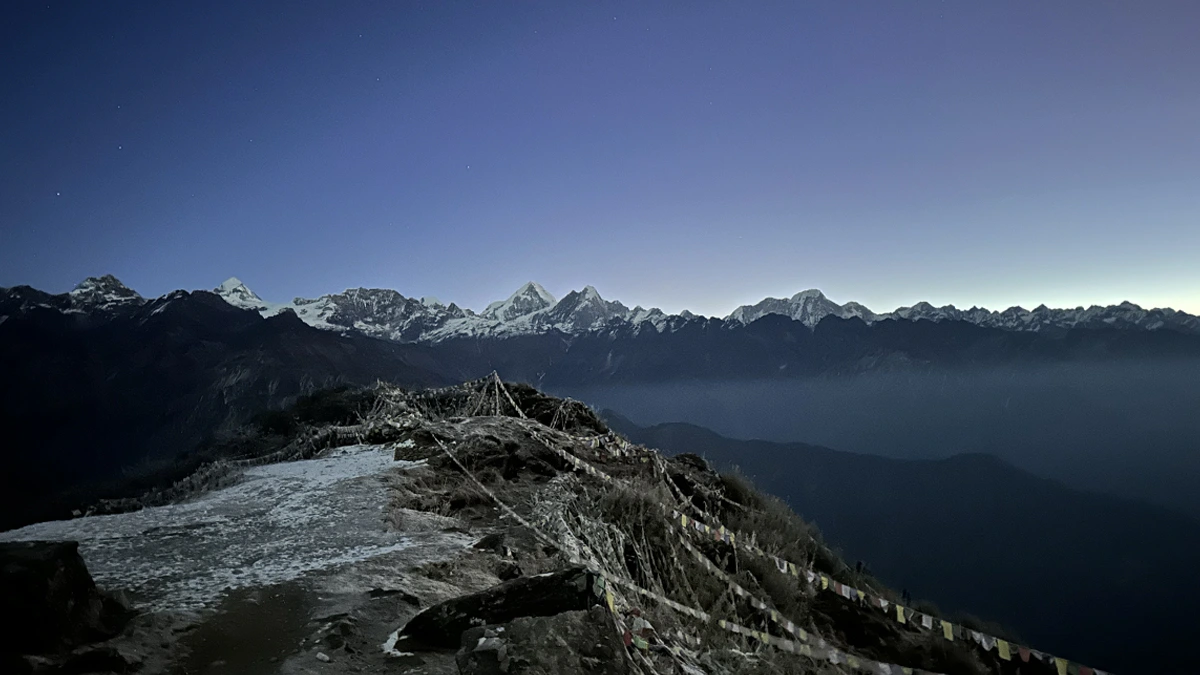
Pre-dawn view of Ama Yangri Peak (3,771m) - The summit awaits just before sunrise
Why the Ama Yangri Trek Stands Apart from Every Other Short Trek Near Kathmandu
I have guided treks across the Everest, Annapurna, and Langtang regions for over two decades. What makes the Ama Yangri Trek different is the ratio of reward to commitment.
The summit altitude of 3,771 meters is high enough for genuine Himalayan views but low enough that serious altitude sickness is uncommon with proper pacing. The entire route fits in a weekend. And unlike the crowded corridors of Poon Hill or the Everest foothills, the Helambu trails feel genuinely quiet. On a busy peak-season day, you might share the summit with 15 other trekkers.
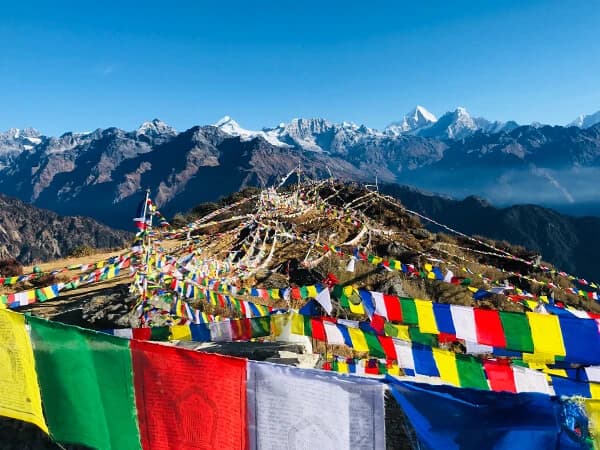
The region is often called the "Poon Hill of Kathmandu" because of its panoramic sunrise views from a moderate, accessible peak. The comparison holds up well. From the Ama Yangri summit, you see Langtang Lirung (7,246 m), Dorje Lakpa (6,966 m), Ganesh Himal (7,422 m), Gaurishankar (7,134 m), and on a truly clear morning, the distant outlines of Everest and Shishapangma in Tibet.
Best seasons are spring (March to May) and autumn (September to November). Spring brings rhododendron forests in full bloom, with deep reds and pinks framing the entire trail. Autumn delivers the clearest skies of the year after the monsoon washes the atmosphere clean. Both seasons offer reliable summit windows and comfortable hiking temperatures.
Avoid June to August. Heavy monsoon rain makes the approach road hazardous, leeches appear on the forest sections, and mountain visibility is essentially zero. December to February is possible for cold-weather hikers, but pre-dawn summit temperatures can drop to -10 degrees Celsius and snow is likely above 3,000 meters.
The trek requires no technical climbing and no previous high-altitude experience. What it does require is reasonable fitness, a willingness to wake at 4:00 AM, and the patience to walk slowly on the summit push.
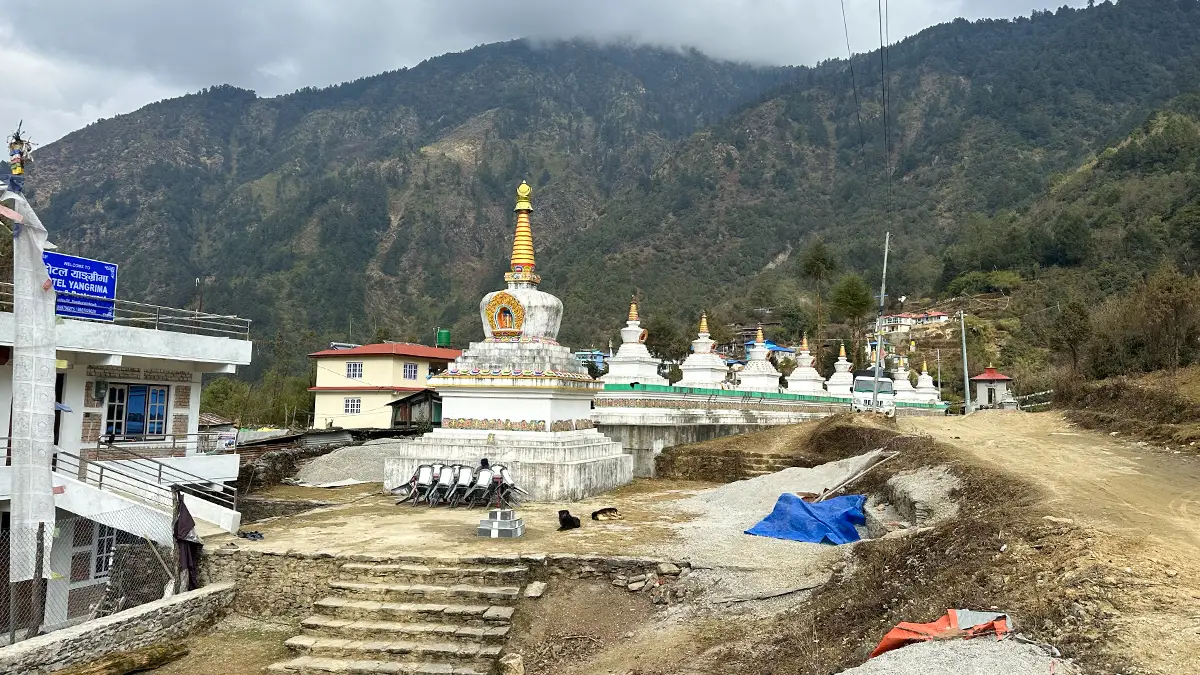
Tarkeghyang village (2,600m) - Ancient Hyolmo settlement and gateway to the Ama Yangri Trek
The Complete 2-Day Ama Yangri Trek Itinerary
Day 1: Kathmandu to Ama Yangri Base Camp (3,200 m)
8:00 AM: Departure from Kathmandu (1,400 m)
Your guide picks you up at your hotel. The jeep heads northeast through Gokarneshwor and Sankhu, then into the Helambu valley through Melamchi. The road is winding mountain terrain, partly paved and partly dirt, and genuinely scenic. Budget 5 to 6 hours including a lunch stop.
Last October, I had a group of four friends from Singapore who spent the whole drive pressed against the windows watching the terraced farmland give way to pine forest and then to stone-wall Sherpa villages. They hadn't expected the road to be part of the experience.
12:00 PM: Lunch Stop in Helambu
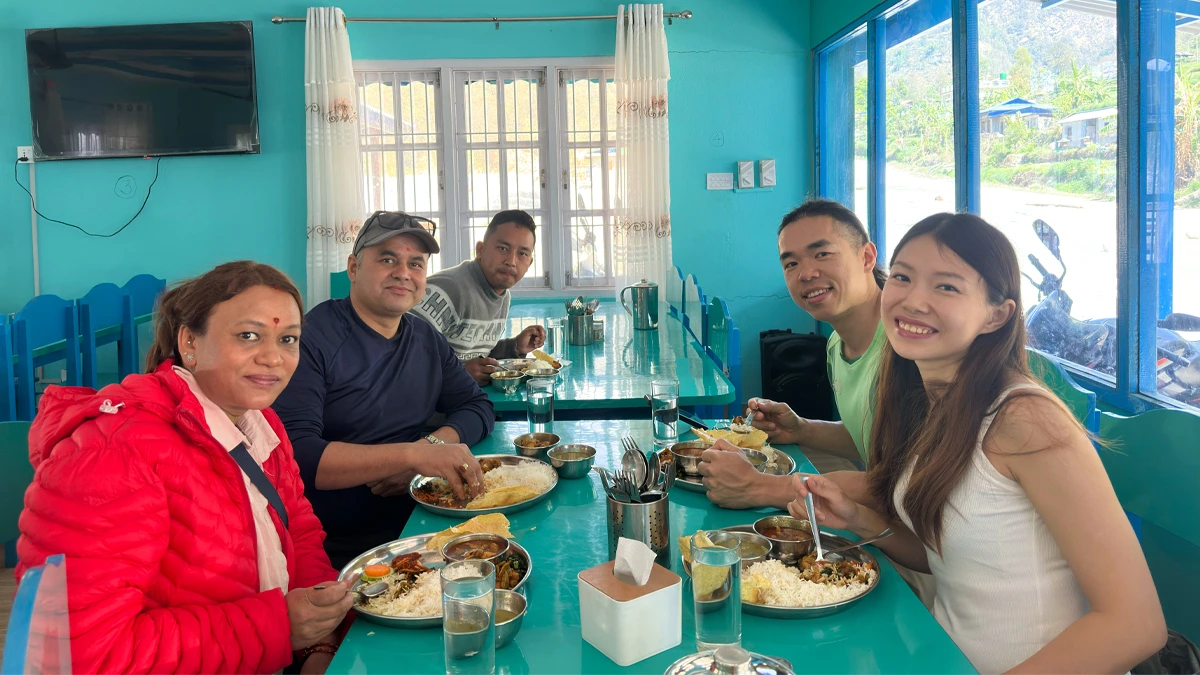
Your driver stops at a roadside teahouse in the lower Helambu valley. Dal bhat, noodles, or fried rice. This is also when the air starts feeling noticeably different. Cleaner. Cooler. Quieter.
Lunch stop in Melamchi - Traditional teahouse meal on the drive to Tarkeghyang
1:30 to 2:00 PM: Arrival in Tarkeghyang (2,600 m)
Tarkeghyang is one of the oldest Hyolmo villages in the Helambu region. Stone houses cluster around an ancient Buddhist monastery. Prayer flag strings connect rooftops. Apple orchards step down the hillside. This village has been here, in approximately this form, since the early 1700s, and that continuity is palpable the moment you step out of the jeep.
Spend an hour here before the afternoon hike. Visit the monastery courtyard. Spin the prayer wheels. If you are staying at a homestay, your host family will greet you with Chhajya, traditional salty butter tea, and a ceremonial scarf. This is the Hyolmo welcome, unchanged for generations.
3:00 PM: Hike to Ama Yangri Base Camp (2 hours, 600 m elevation gain)
This is the acclimatization walk, and it is the single most important decision in the itinerary. The jeep can technically drive to base camp via a rough 6-kilometer road. Do not take it.
Walking this section lets your body adjust gradually from 2,600 m to 3,200 m before sleeping at altitude. It takes two hours through rhododendron, pine, and oak forest. The air thickens with the smell of resin. Prayer flags appear along the trail. The summit ridge becomes visible through breaks in the canopy. By the time you reach the base camp clearing, your legs are warm and your lungs have started adapting.
5:00 PM: Base Camp Arrival and Evening
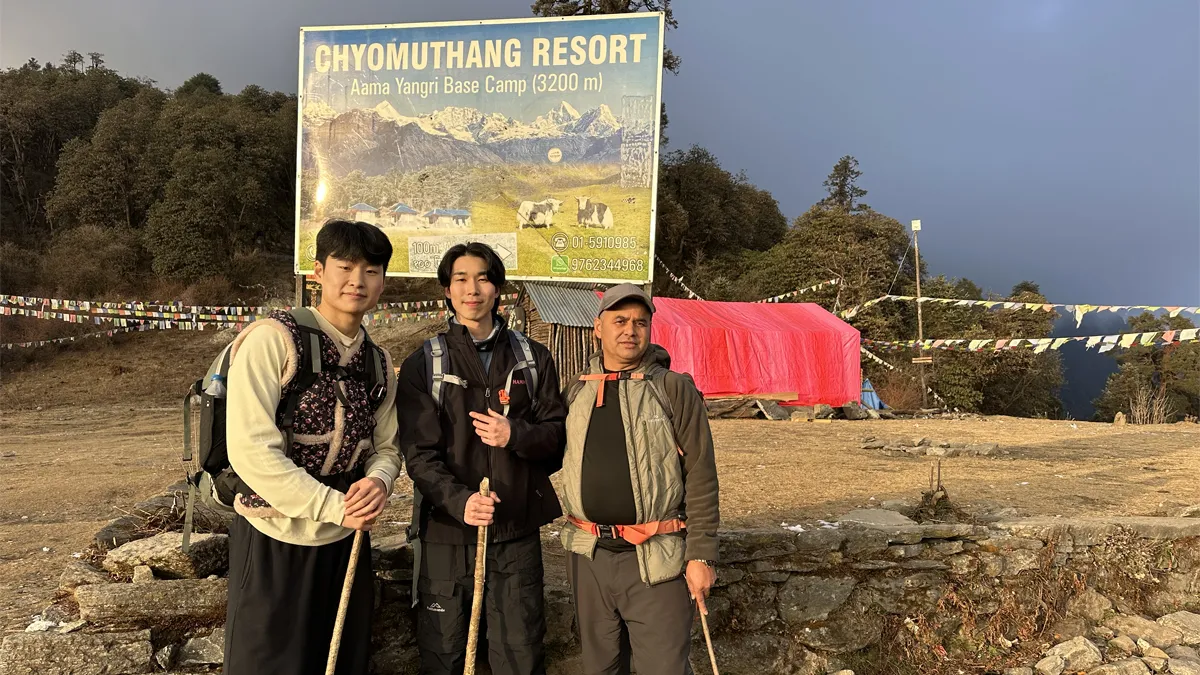
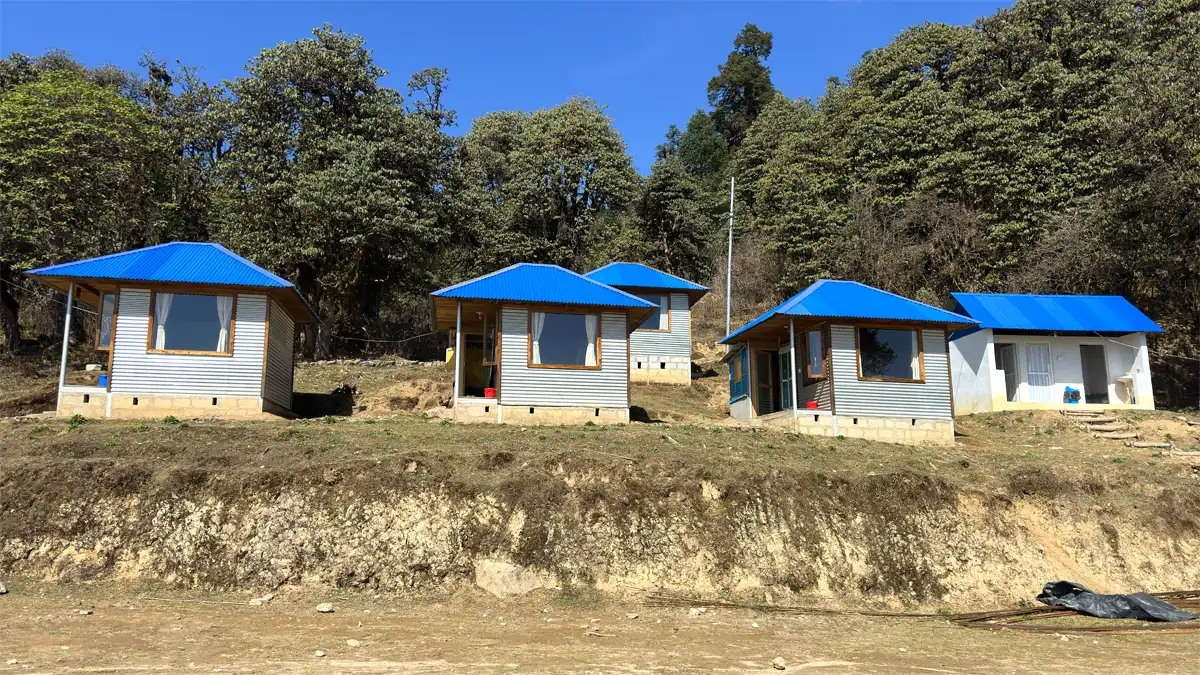
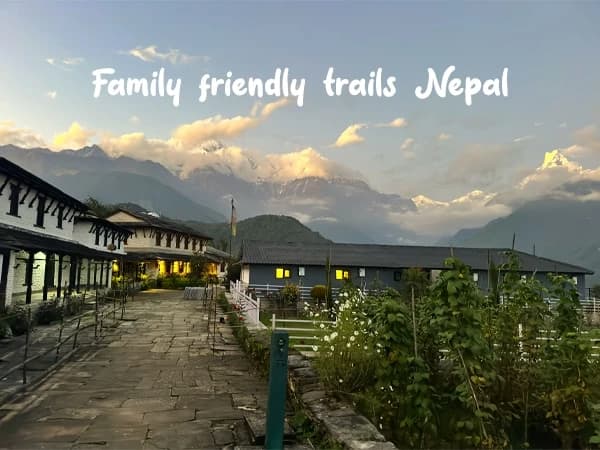
The teahouse at Chomothang base camp is simple: clean twin rooms, thick blankets, shared bathrooms, and a warm communal dining room. There are only two or three guesthouses here. Book through your operator in advance, especially in October and April.
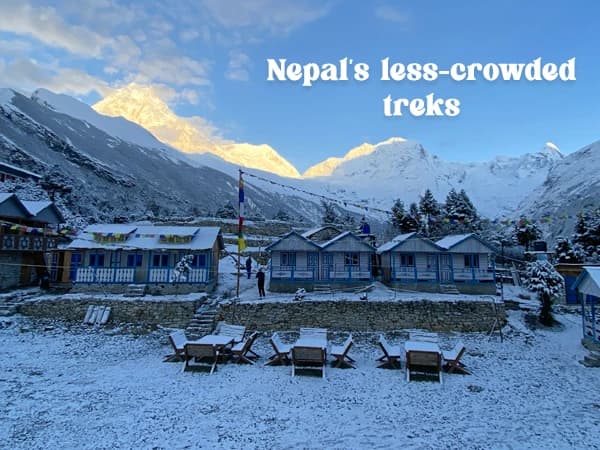
Ama Yangri Base Camp (3,200m) - Overnight stop before the pre-dawn summit push
Dinner is dal bhat with vegetable curry and soup, served around 6:30 PM. After dinner, your guide runs a short summit briefing covering wake-up time, gear check, the route ahead, and weather conditions. Most trekkers are in their sleeping bags by 8:30 PM. The darkness outside is total. The stars, when you step out briefly, are extraordinary.
Base camp teahouse accommodations - Clean, simple rooms at 3,200m altitude
Day 2: Summit, Descent, and Return to Kathmandu
4:00 AM: Wake-Up
Your guide knocks. The base camp is cold and dark and very quiet. You hear other trekkers moving in nearby rooms. Hot tea and light snacks are ready in the dining room within minutes.
5:00 AM: Summit Departure
Headlamp on, down jacket zipped, trekking poles extended. You step outside into air that bites any exposed skin. The trail rises immediately into alpine scrub and rocky terrain.
For the first hour, your world is the beam of your headlamp, the sound of your breathing, and the crunch of boots on stone. Your guide sets a deliberate pace, slow enough that your lungs can keep up, steady enough that you keep moving. Step. Breathe. Step. Breathe.
Around 5:45 AM, the eastern sky begins to lighten. A thin grey line separates the mountains from the sky. The silhouette of the Langtang range emerges from darkness. Your pace picks up instinctively, even though your guide will tell you not to rush.
6:30 AM: Ama Yangri Summit (3,771 m)
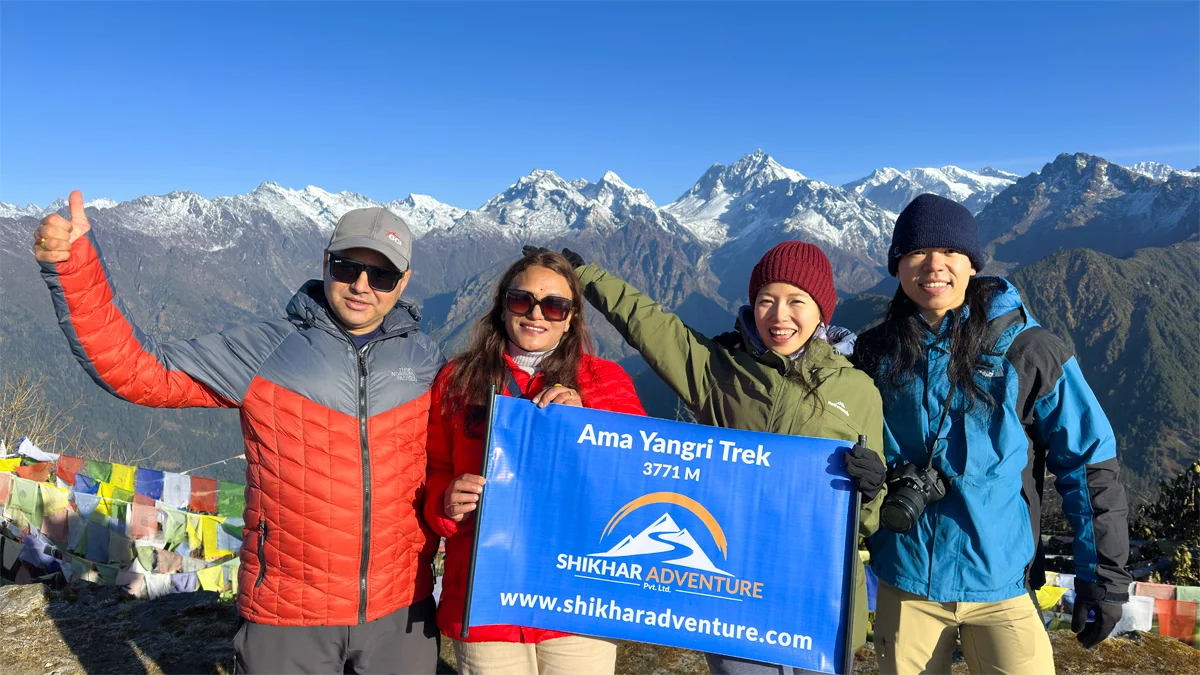
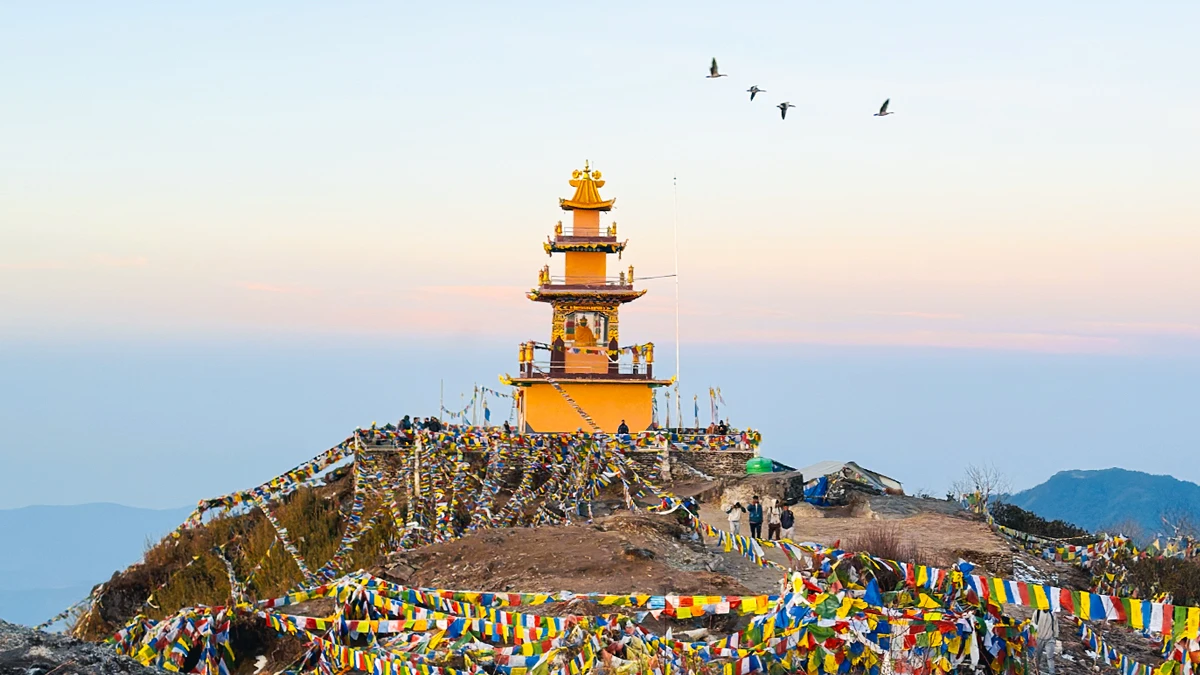
You reach the summit ridge and the white chorten draped in prayer flags, and the full panorama opens in front of you. The sun is cresting the Himalayan massif. Golden light spreads across Langtang Lirung, Dorje Lakpa, and the Jugal Himal range. On an October morning, the sky is the deepest blue you have ever seen.
I have stood on this summit dozens of times. It still stops me.
Summit success at Ama Yangri (3,771m) - Shikhar Adventure group with panoramic Langtang views
Spend 20 to 30 minutes at the top. Photograph the prayer flags against the peaks. Look south and on a crystal morning you can see the hills rolling away toward Kathmandu, with the faint gold dome of Boudhanath Stupa visible above the valley haze. The small monastery at the summit, Ama Yangri Zangdo Palri Gumba, is the spiritual heart of this pilgrimage site. The Hyolmo people believe Ama Yangri is a dakini, a guardian deity who protects the valley from disaster. Standing here, it is easy to understand why.
Ama Yangri Zangdo Palri Gumba - Sacred monastery at the summit, spiritual heart of the trek
7:00 AM: Descent
The descent to base camp takes about an hour. Pay attention on the loose rock sections. Tired legs and downhill momentum are where ankles get twisted. Trekking poles here are not optional.
8:30 AM: Breakfast at Base Camp
Eggs, toast, porridge, coffee or tea. After a 4:00 AM start and a summit push, this meal has a quality that no restaurant in Kathmandu can replicate.
10:00 AM: Walk Back to Tarkeghyang
The forest walk down is easier and meditative. The rhododendron canopy filters morning light. You reach Tarkeghyang around noon, have a quick lunch, and the jeep heads back to Kathmandu. You arrive at your hotel around 5:30 to 6:00 PM, tired, satisfied, and in possession of a summit that most people in Kathmandu do not even know exists.
Logistics: Everything You Need to Know Before You Go
Getting There: Private Jeep vs. Public Bus
For the 2-day itinerary, a private jeep is a logistical requirement, not a luxury. A public local bus departs from Jorpati at 6:00 AM and costs about NPR 650 per person, but there is no afternoon return service from Tarkeghyang. You cannot complete the 2-day loop by public bus.
During monsoon season, the bus only reaches Timbu, adding a 5-hour walk to Tarkeghyang. Shikhar Adventure's Ama Yangri Trek package includes a private round-trip jeep as standard. This is the correct way to run this itinerary.
Permits (2026)
The Ama Yangri Trek falls within Langtang National Park. Foreign nationals need the Langtang National Park Entry Permit, which costs NPR 3,000 (approximately USD 23). SAARC nationals pay NPR 1,500 and Nepali citizens pay NPR 100. No TIMS card is required for guided trekkers in the Helambu region as of 2026. No restricted-area permit is needed. Helambu is an open trekking zone and your operator handles all permit logistics.
Packing List for 1 Night / 2 Days
You do not need much. The goal is a light bag:
Non-negotiable items:
Headlamp with fresh batteries (mandatory for the pre-dawn summit push)
Down jacket, warm hat, and gloves (summit temperatures near freezing even in spring and autumn)
Trekking poles (critical for the rocky descent)
Waterproof outer layer
Minimum 1.5 liters of water for the summit push
Snacks from Kathmandu (there are no shops on trail beyond Tarkeghyang)
Leave behind: sleeping bag (blankets are provided), tent, cooking gear, and more than one change of clothes.
Footwear: Light hiking boots or trail runners with ankle support. Avoid flat-soled sneakers on the rocky descent.
Electronics: Charge everything before you leave Kathmandu. Base camp runs on solar power only. Keep your phone in an inner pocket during the summit push since cold drains batteries quickly. NTC SIM cards have 4G coverage in Tarkeghyang but Ncell does not. Above base camp, expect no signal from any network.
Budget Breakdown
Shikhar Adventure's package starts at USD 145 per person for groups of 2 to 4, USD 125 for groups of 5 to 8, and USD 105 for groups of 9 to 12. This covers the private round-trip jeep, licensed local Sherpa guide, base camp accommodation, 2 lunches, 1 dinner, 1 breakfast, and a first aid kit.
Budget an additional NPR 1,500 to 2,500 for personal extras: hot shower, packaged drinks, WiFi, and a tip for your guide. NPR 1,000 to 2,000 is customary and genuinely meaningful for a 2-day trip. There are no ATMs on trail. Carry all cash from Kathmandu.
Safety, Altitude, and How to Prepare
Altitude and AMS
The maximum altitude of 3,771 m is moderate by Nepal standards. Serious altitude sickness is uncommon, but the rapid ascent from Kathmandu (1,400 m) to base camp (3,200 m) in one day means your body has less time to adjust than on longer itineraries.
The critical safeguard is walking from Tarkeghyang to base camp. This single decision gives your body the gradual transition it needs before sleeping at 3,200 m. Drink at least 3 liters of water on Day 1, eat a moderate dinner, and sleep early.
Watch for persistent headache, nausea, dizziness, or shortness of breath at rest. If symptoms escalate, descend immediately. On this route, lower elevation is always close. Some trekkers use Diamox as a precautionary measure. Consult your doctor before departure if this interests you.
Fitness Preparation
You do not need to be an athlete. You need to be consistently active. In the 3 to 4 weeks before the trek, focus on stair climbing (the most directly transferable exercise), walking with a loaded daypack, and general cardio three to four times per week.
The summit push is 2.5 hours of continuous uphill at altitude. It is manageable for most healthy adults, but it will demand real effort. Being honest about your fitness level with your guide before departure makes the experience better for everyone.
Emergency Protocols
Because Tarkeghyang is road-accessible and only 85 km from Kathmandu, emergency evacuation times are significantly shorter than on remote high-altitude routes. Ensure your travel insurance covers trekking to 4,000 m and includes helicopter evacuation. Shikhar Adventure's guides are certified in altitude first aid and carry emergency contacts for the route.
Frequently Asked Questions
Is the Ama Yangri Trek suitable for beginners?
Yes. It is one of the best first high-altitude treks in Nepal. No technical skill is required, the trail is well-marked, and the 2-day structure keeps the commitment manageable. Browse other beginner treks from Shikhar Adventure here.
What mountains can I see from the summit?
On a clear day you can see Langtang Lirung, Dorje Lakpa, Ganesh Himal, Gaurishankar, and the full Jugal Himal range. On exceptional mornings, both Everest and Shishapangma in Tibet are visible.
Do I need a guide, or can I go independently?
A guide is not legally mandatory in Helambu, but it is strongly recommended. The pre-dawn summit push, altitude awareness, and transport logistics all benefit significantly from a licensed local guide. Shikhar Adventure's guides are Helambu-born Sherpas with deep knowledge of this specific route.
Can I extend the Ama Yangri Trek into something longer?
Yes. The route connects naturally to the Helambu Circuit, Gosaikunda sacred lakes, and the Tamang Heritage Trail. Adding one or two days lets you include Shermathang village and its apple orchards. Contact Shikhar Adventure to customize your itinerary.
When is the best time to go in 2026?
Late March to early May for the rhododendron bloom and the Chaitra full moon pilgrimage season. October to mid-November for the sharpest mountain visibility of the year. Both windows are excellent; your choice depends on whether you prefer color or clarity.
This Trek Is Two Days. The Memory Lasts Considerably Longer.
The Ama Yangri Trek is not a compromise for people who could not arrange two weeks. It is a precisely designed experience that happens to fit in a weekend, and it delivers something real: a genuine Himalayan summit, an ancient Hyolmo village, a Buddhist monastery at the peak, and a sunrise that justifies the 4:00 AM alarm without question.
You will leave Kathmandu as a visitor and return the same evening as someone who has stood at 3,771 meters and watched the light break over the Langtang range. That transformation, compact as it is, is not a small thing.