Most trekking blogs tell you what the Annapurna and Manaslu Circuits look like. This guide tells you what they can cost you if you are underprepared. Five people died on the Annapurna route in the 2023-2024 fiscal year, the majority from altitude sickness, a largely preventable condition. Read this before you book anything.
What 20 Years of Guiding These Trails Taught Me About Real Risk
Five people died on the Annapurna trekking route in the 2023-2024 fiscal year. The Annapurna Conservation Area Project confirmed most fatalities came from altitude sickness. Not trail accidents. Not freak storms. Altitude sickness, a condition that is largely preventable.
I have guided trekkers across both the Annapurna Circuit and the Manaslu Circuit for over two decades. I have called in helicopter evacuations. I have held back groups at Thorong La with storms closing in, against protests from clients with flights to catch.
I have watched experienced, fit, confident people get floored by altitude sickness at Dharamsala, less than 24 hours before their Larkya La attempt.
This post gives you the unfiltered picture of the real dangers on both circuits in 2026. What they are. Where they strike. How they differ between routes. And exactly what to do about each one.
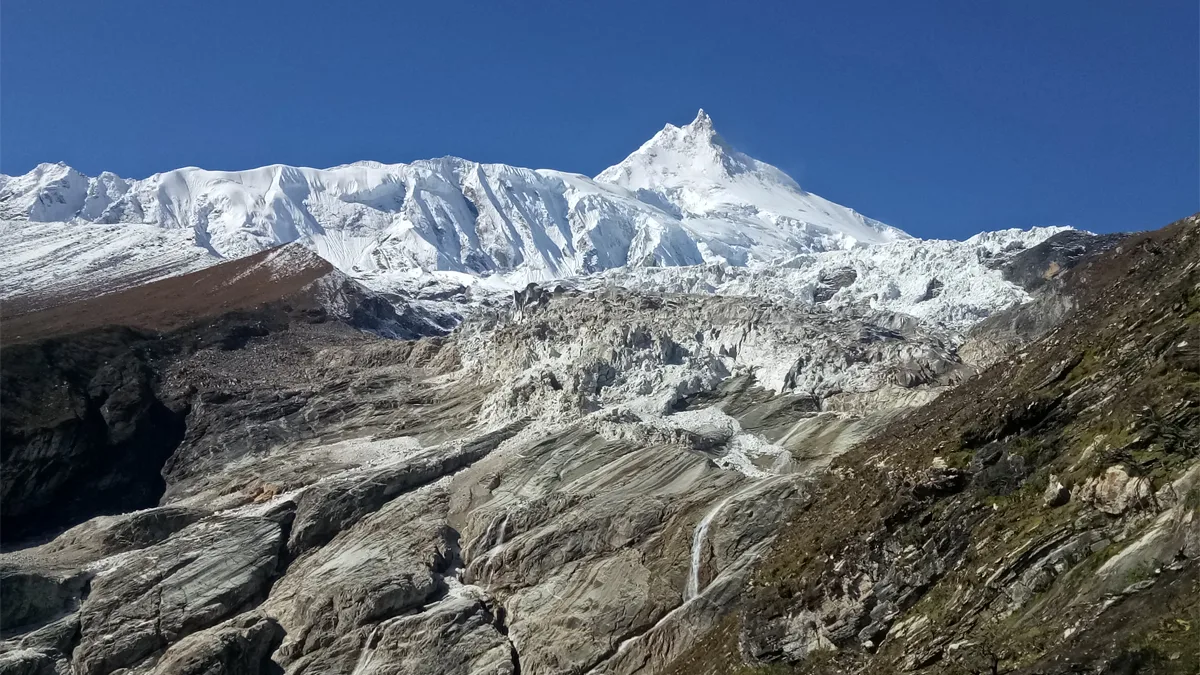
Mt. Manaslu (8,163m) - The eighth highest mountain in the world towers over the Manaslu Circuit trek route
Why These Two Circuits Carry Different Risks from Every Other Trek in Nepal
Most trekkers compare these routes to Everest Base Camp. That comparison is misleading in one critical way.
The EBC route has extraordinary rescue infrastructure. Multiple HRA clinics. Satellite communication at nearly every teahouse. Helicopter landing zones at frequent intervals. Enough trekking traffic that someone always knows where you are.
The Manaslu Circuit does not work that way. It is a restricted area. You are legally required to trek with a licensed guide. But that requirement does not neutralize the remoteness.
Once you pass Namrung at 2,630m and push toward Samagaun and Samdo, evacuation logistics become genuinely complicated. If a helicopter cannot fly, and in bad weather, it cannot, you wait. A trekker developing HACE near Dharamsala at 4,460m may be hours from any meaningful medical response.
The Annapurna Circuit has its own problem: false confidence. It is well-trodden and well-served by teahouses. Infrastructure around Manang is genuinely good. The Himalayan Rescue Association runs a clinic there and a seasonal post at Thorong Phedi.
But Thorong La sits at 5,416m. It already produced Nepal's worst-ever trekking disaster, 60+ deaths in a single October 2014 storm.
Here is the core risk difference between the two circuits:
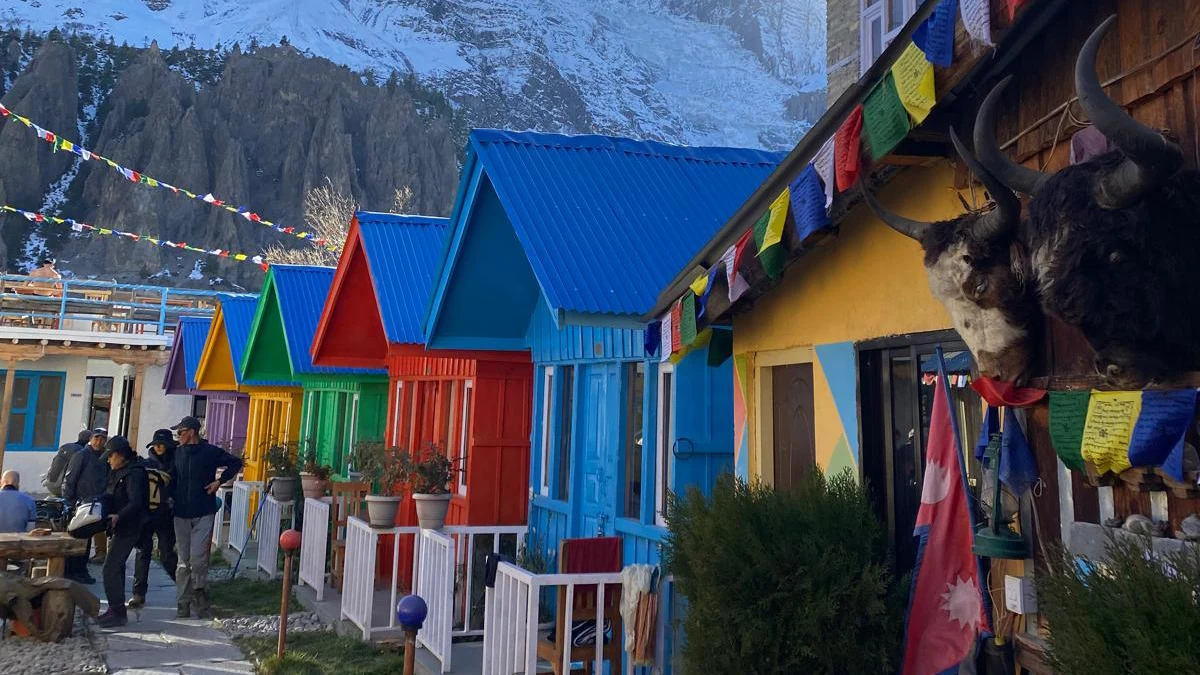
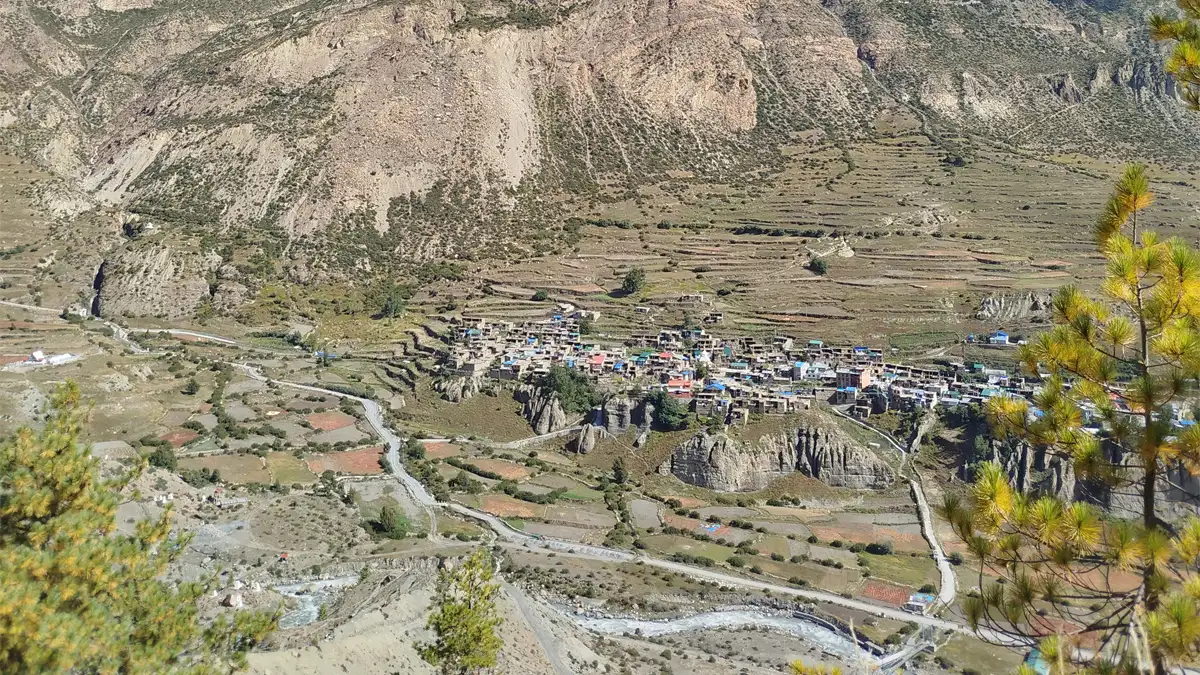
Teahouse in Manang (3,540m) - Main acclimatization hub on the Annapurna Circuit with HRA clinic
Manaslu's higher evacuation costs reflect greater flight distance, fewer helicopter operators, and restricted area logistics. Many trekkers buy insurance for the Annapurna region but never confirm it covers Manaslu at the required altitude. Check your policy before you leave home, not when you are sick at Samdo.
There is also the fitness myth. In the past decade I have guided trekkers who summited Kilimanjaro, completed EBC twice, and ran ultra-marathons. All believed fitness would protect them from altitude sickness. Three needed to descend early. One required a helicopter.
Fitness does not acclimatize your body faster. Genetics and pace determine AMS risk. No one knows their personal response to altitude until they are at altitude.
The Real Annapurna and Manaslu Dangers, Broken Down Honestly
1. Altitude Sickness: AMS, HACE, and HAPE
Altitude sickness affects roughly 1 in 3 trekkers above 4,000m. On circuits crossing 5,000m, the stakes escalate fast. There are three stages. Understanding the difference between them determines whether you walk out or get carried out.
Acute Mountain Sickness (AMS) is the entry-level condition. Symptoms include headache, nausea, fatigue, dizziness, and disrupted sleep. AMS is not an emergency, it is a signal. Stop ascending. Rest at the same elevation. Hydrate. If symptoms resolve within 24 hours, cautiously continue. If they worsen, descend immediately.
High Altitude Cerebral Edema (HACE) is brain swelling from fluid accumulation. Key symptoms include a severe headache unresponsive to ibuprofen, loss of coordination, confusion, and altered consciousness. HACE is a life-threatening emergency. Descend at least 500 to 1,000m immediately. Administer Dexamethasone if carried. Every hour of delay increases the risk of permanent damage or death.
High Altitude Pulmonary Edema (HAPE) is fluid on the lungs. Watch for a dry cough progressing to a wet rattle, extreme breathlessness at rest, and blue-tinged lips. HAPE kills faster than HACE and can develop overnight without warning. Immediate descent is the only field treatment. If you hear someone rattling when they breathe at altitude, do not wait for morning.
Acclimatization hike to Birendra Lake (3,691m) - Critical altitude preparation before Larkya La Pass crossing
Where these conditions strike on each circuit:
On the Annapurna Circuit, danger builds from Manang at 3,540m for anyone who has ascended too quickly. The HRA clinic in Manang runs daily altitude awareness sessions. Attend one. They are free and they save lives. The highest-risk window is the Thorong La crossing day, particularly for trekkers who have not spent enough nights above 3,500m.
On the Manaslu Circuit, risk builds through Samagaun at 3,530m and Samdo at 3,860m. Dharamsala sits at 4,460m. It is where most trekkers spend their final night before Larkya La. I have seen trekkers arrive there with mild AMS symptoms, sleep badly, and attempt the pass the next morning in deteriorating condition. That sequence of decisions is how emergencies happen.
AMS Symptom Quick Reference:
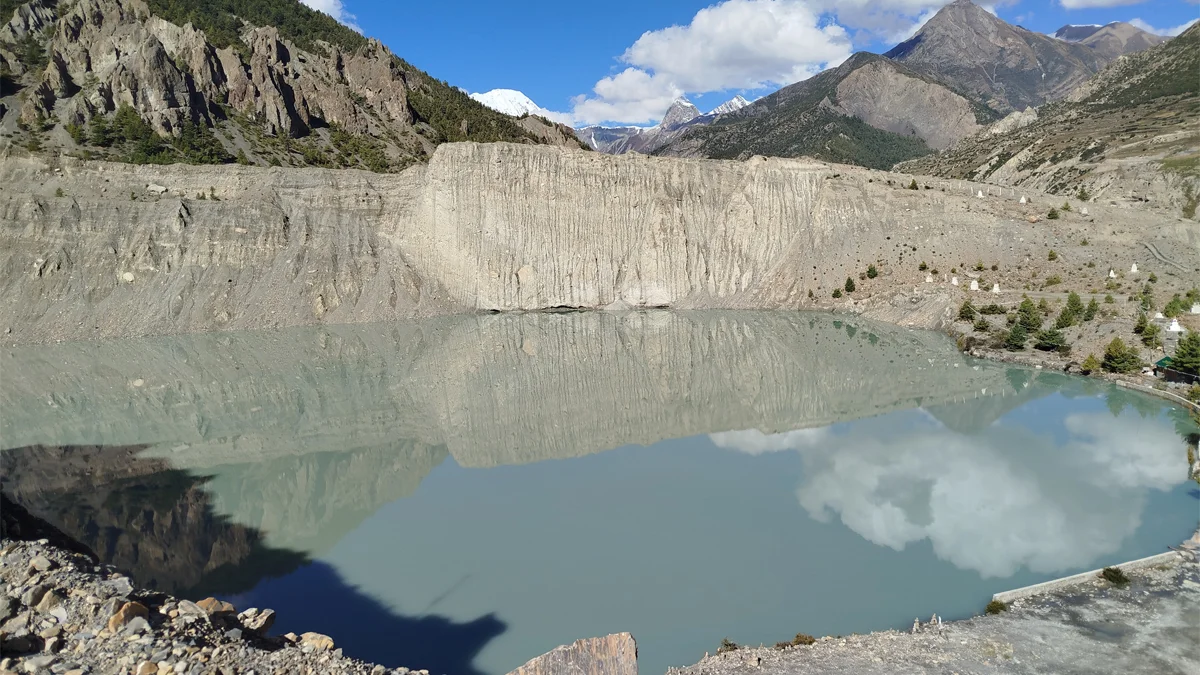
Gangapurna Lake above Manang - Popular acclimatization hike on the Annapurna Circuit
Carry a pulse oximeter. At Manang, a reading below 80% SpO2 is a serious warning. Below 70% at any point requires immediate descent. At Thorong High Camp at 4,600m, anything under 75% with symptoms means a mandatory rest day before the crossing.
2. Thorong La Pass: The Specific Danger Profile
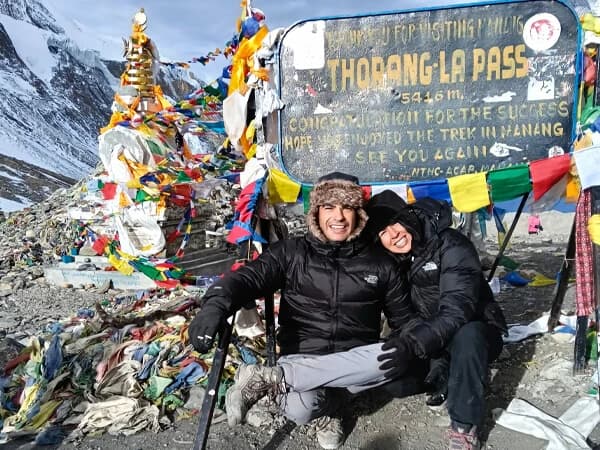
Thorong La at 5,416m is the highest trekking pass in the Annapurna region. It holds a documented history of fatalities that most agencies prefer not to discuss at the booking stage.
The October 2014 disaster is the clearest example. A cyclone remnant merged with a regional weather system on October 14. It dumped 1.8 meters of snow on the pass in 12 hours. At least 43 people died. Over 407 were rescued by helicopter. Some estimates suggest between 10 and 50 trekkers were never found. It remains Nepal's worst-ever trekking event.
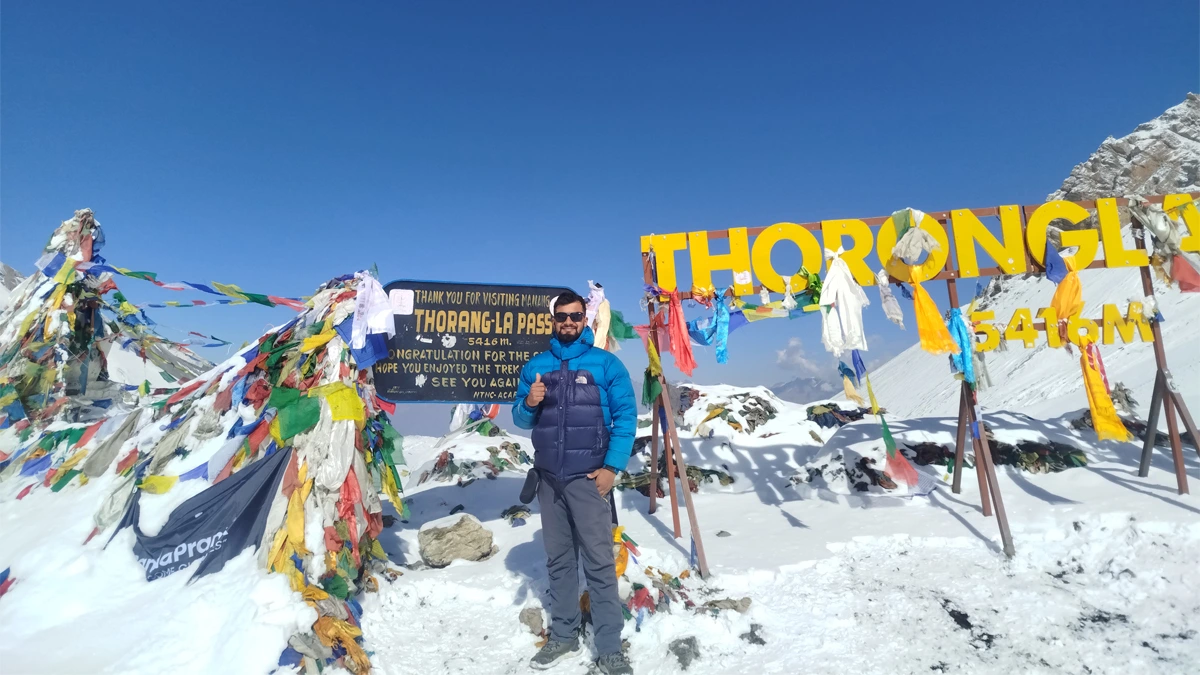
Thorong La Pass (5,416m) - Highest point on the Annapurna Circuit and site of the 2014 disaster
What that disaster revealed was a pattern that still exists in 2026:
Trekkers attempting the pass despite deteriorating weather due to fixed flight schedules or group pressure
Guides without the authority to enforce turnaround decisions against paying clients
No centralized real-time weather warning system reaching all trekkers simultaneously
Trekkers and porters in clothing unsuitable for sub-zero whiteout conditions
No emergency shelters anywhere on the pass itself
Those structural gaps have partially improved. Warning systems are better. Teahouse owners now carry more responsibility for communicating weather alerts. But the fundamental danger of Thorong La has not changed.
The time window is the single most underestimated risk factor. Depart Thorong Phedi at 4,540m or Thorong High Camp at 4,600m before 4am. This is not a preference, it is a safety protocol. Afternoon winds on Thorong La regularly exceed 60km/h. In icy conditions, windchill drops below minus 25 degrees Celsius. Frostbite can set in on exposed skin within minutes.
Last March, an Australian couple in our group left High Camp at 7am instead of 4am. By the time they reached the summit cairn at 10:30am, visibility had dropped below 10 meters. They made it down the western descent, but it took full gear and an experienced guide making every call. Solo, or with a weaker guide, that crossing ends differently.
Safe crossing checklist for Thorong La:
Depart High Camp no later than 4:30am
Carry full down jacket, waterproof shell, insulated gloves, balaclava, and microspikes or crampons in shoulder season
Check weather the evening before, clear skies at dusk do not guarantee a clear pass at dawn
If conditions deteriorate above High Camp, turn back immediately
Never cross without a guide who knows the trail markers under snow cover
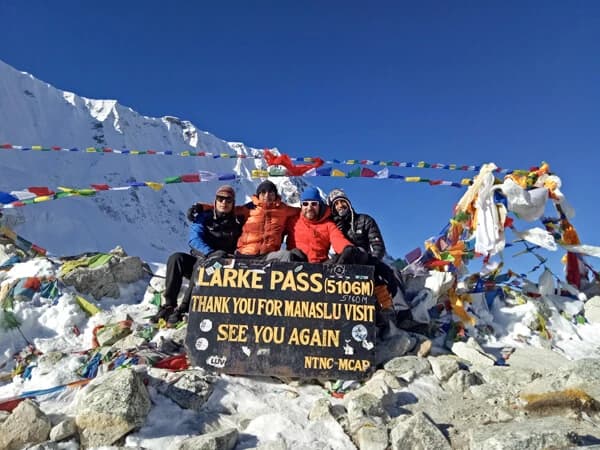
Larkya La at 5,106m is 310 meters lower than Thorong La. That difference leads many trekkers to underestimate it. They should not.
The risk at Larkya La is shaped by two factors unrelated to elevation: remoteness and the compressed ascent profile of the Manaslu Circuit. On Annapurna, trekkers spend multiple nights in the Manang valley before the pass. On Manaslu, you ascend from Soti Khola at 700m and reach Samagaun at 3,530m in roughly seven days. The body is adapting continuously with no real consolidation window.
The Larkya La crossing day is long. Trekkers depart Dharamsala at 4,460m before dawn. They gain 646m to the pass, then descend 1,300m to Bimthang at 3,720m. In good conditions, that is 8 to 10 hours. In bad conditions, fresh snow on the ascent, cloud building on the descent, it can become a survival situation.
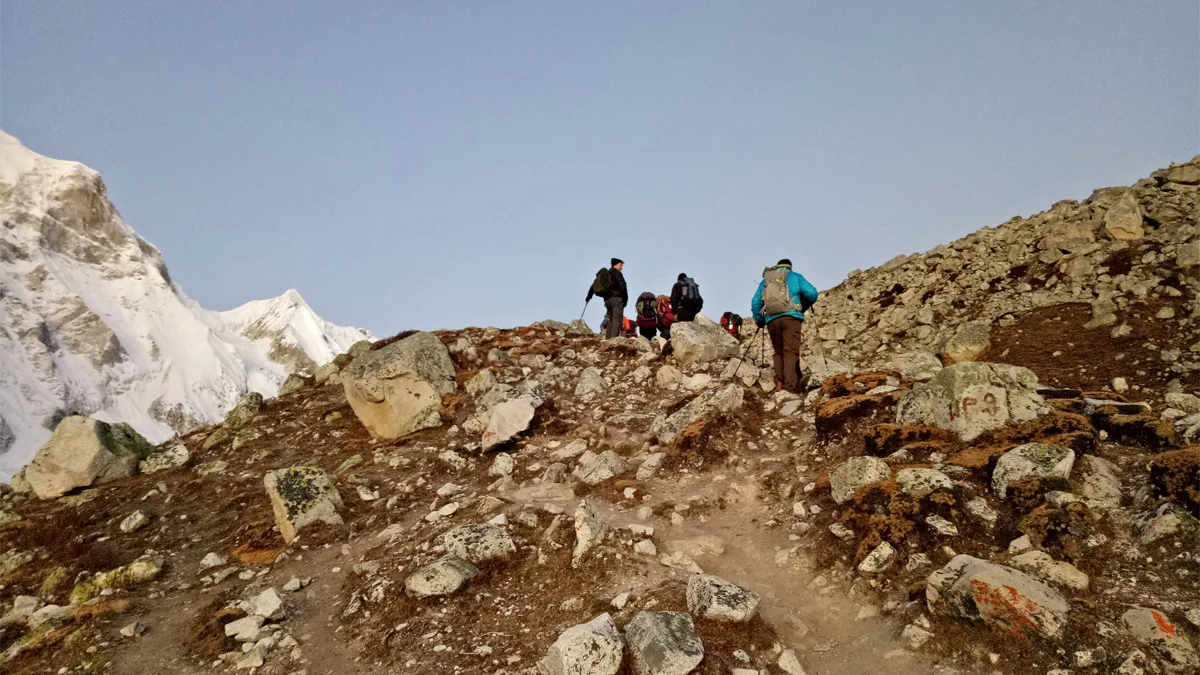
Pre-dawn start for Larkya Pass - 3-4 AM departure is essential for safe crossing in stable weather
Snowstorms above Dharamsala move in fast. There is no shelter on the pass itself.
Helicopter landing zones between Dharamsala and Bimthang are limited. If evacuation is needed at the pass, the helicopter must find a viable landing spot and weather must permit flight. During October and November, afternoon cloud regularly closes the flying window by early afternoon. A trekker who collapses at 2pm on the Larkya La descent may wait through the night for help.
Mobile networks are unreliable above Samagaun. Internet access is even worse. Your guide will use local contacts or a satellite communicator to coordinate a rescue. That coordination takes time, experience, and the right equipment.
If you are trekking the Manaslu Circuit, carry a Garmin inReach or equivalent satellite communicator. Do not rely on your guide's phone. At Dharamsala, there is often no signal at all.
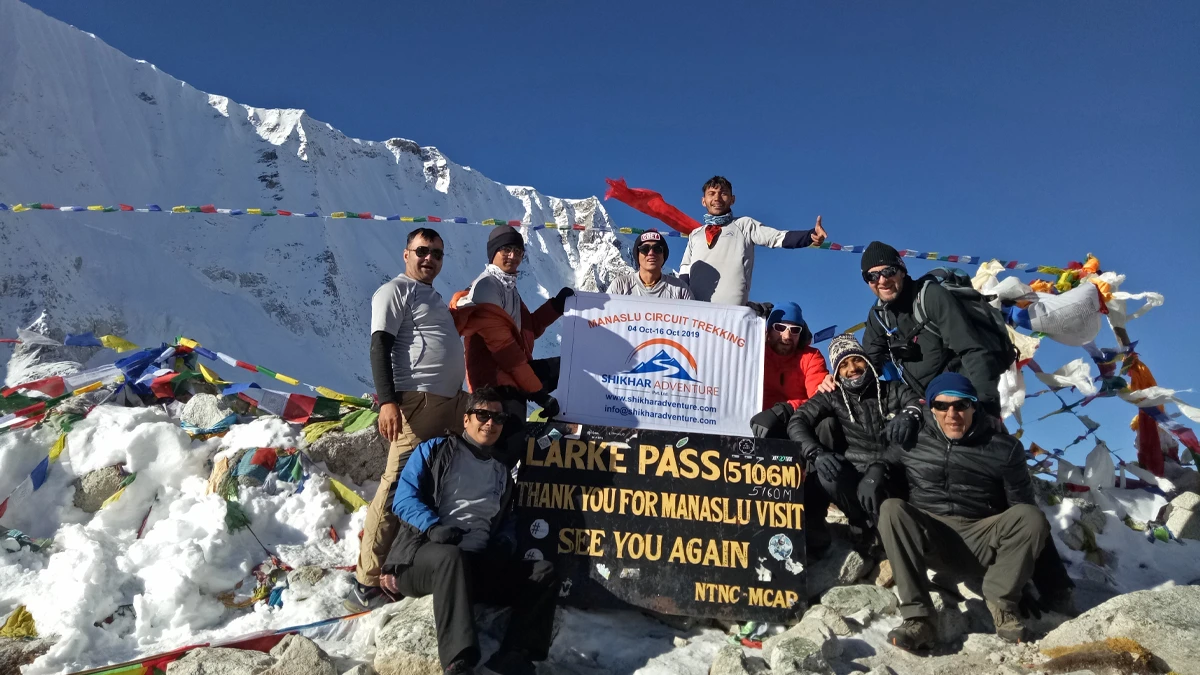
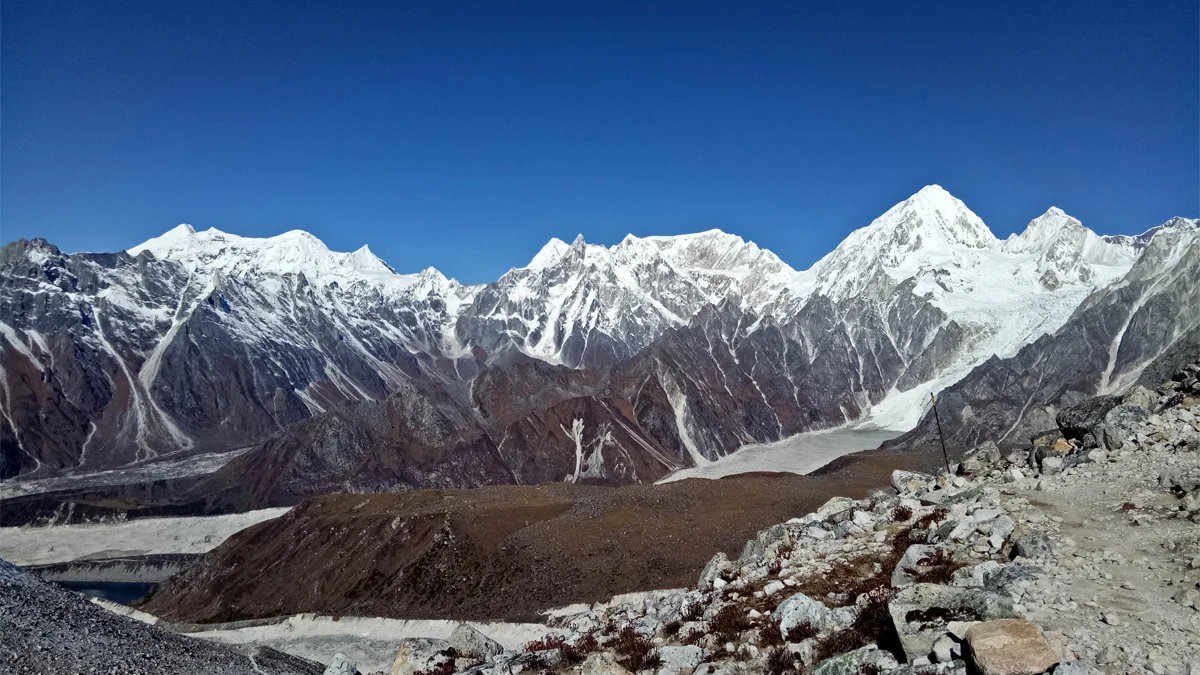
Larkya La Pass (5,106m) - The crux of the Manaslu Circuit with views of Himlung and Annapurna II
4. Landslides and Trail Washouts
Both circuits pass through active landslide zones. This danger gets almost no coverage in standard trek guides.
On the Annapurna Circuit, the Marsyangdi gorge sections between Besisahar and Manang run cliff-face trails above fast-moving rivers. Monsoon season destabilizes these slopes from June through September. The more dangerous window is the immediate post-monsoon period, October and early November, which is also peak trekking season. Slopes saturated by months of rainfall remain unstable well into October. A rockfall event on the trail above the river requires no human error to become fatal.
On the Manaslu Circuit, landslide risk is higher and more concentrated. The stretch between Soti Khola and Jagat has several documented danger zones. The trail follows narrow ledges cut into cliff faces, with a direct drop to the river below. Some bridges wash away during floods and are not always replaced before trekking season resumes.
The lower Buri Gandaki gorge, between Jagat at 1,300m and Deng at 1,804m, is the most dangerous section of the Manaslu approach. The trail cuts into sheer rock walls. Loose material falls without warning. In 2024, multiple sections required rerouting due to landslide damage.
Trail condition information from online forums or agency emails is often 48 to 72 hours out of date. The only reliable real-time source is trekkers coming the other direction. Your guide should ask every group you pass about conditions ahead. If they are not doing this, ask why.
Descent from Larkya Pass to Bhimthang - 1,440m descent over 4-5 hours requires trekking poles
5. Weather Windows and Getting Caught Out
The Annapurna and Manaslu Circuits are season-sensitive in ways that go beyond standard "best time to trek" advice.
The 2014 disaster proved that catastrophic weather can arrive in peak season without warning. Those storms hit in the second week of October, the heart of autumn trekking season. Climate patterns in the region have grown less predictable over the past decade. Extended monsoons now push later into October. Early cold snaps arrive before the passes clear.
For practical 2026 planning:
Dharamshala (4,460m) - Final camp before Larkya Pass crossing where AMS symptoms often appear
The real danger is not the predictable bad months, it is unexpected events within the good months. In October, cyclone remnants from the Bay of Bengal can deliver a meter of snow at pass elevation within hours. Check a satellite weather app every evening. Mountain Forecast and Windy both provide elevation-specific data. Do not rely on a single source. Cross-reference with what your guide hears from local contacts.
Teahouse trekkers on multi-week itineraries often carry no emergency shelter. They assume the next teahouse is always reachable. On both circuits, that assumption can be dangerously wrong. Pack a lightweight emergency bivy. It weighs under 200 grams and has saved lives on these trails.
6. Solo Trekking on Manaslu: Not Just a Legal Issue
As of 2026, the Manaslu Circuit is a restricted area trek. A licensed Nepali guide is required by law. Permits will not be issued without guide documentation. Trekking without one is illegal.
This regulation exists because guideless trekking on Manaslu is a documented contributing factor in rescue incidents. When a trekker develops symptoms on a remote section without a guide, the notification chain breaks. No guide means no trained person to recognize HACE. No one to initiate the evacuation call. No one with local contacts to navigate the coordination process.
On the Annapurna Circuit, solo trekking remains permitted in 2026. The HRA recommends against it above Manang during the pass approach. I go further. I recommend any solo trekker on Annapurna hire a local guide specifically for the Thorong La crossing day. Cost is around USD 30 to 50 per day. The value is someone who knows the pass, reads the warning signs, and can call a turnaround without the pressure of group dynamics.
A solo female Korean trekker was found deceased near Thorong La in January 2023. The absence of an experienced companion is believed to have significantly increased her risk. This is not mentioned to discourage solo trekkers. It is mentioned because independent trekking at high altitude creates a safety gap that affects every trekker, regardless of experience or gender.
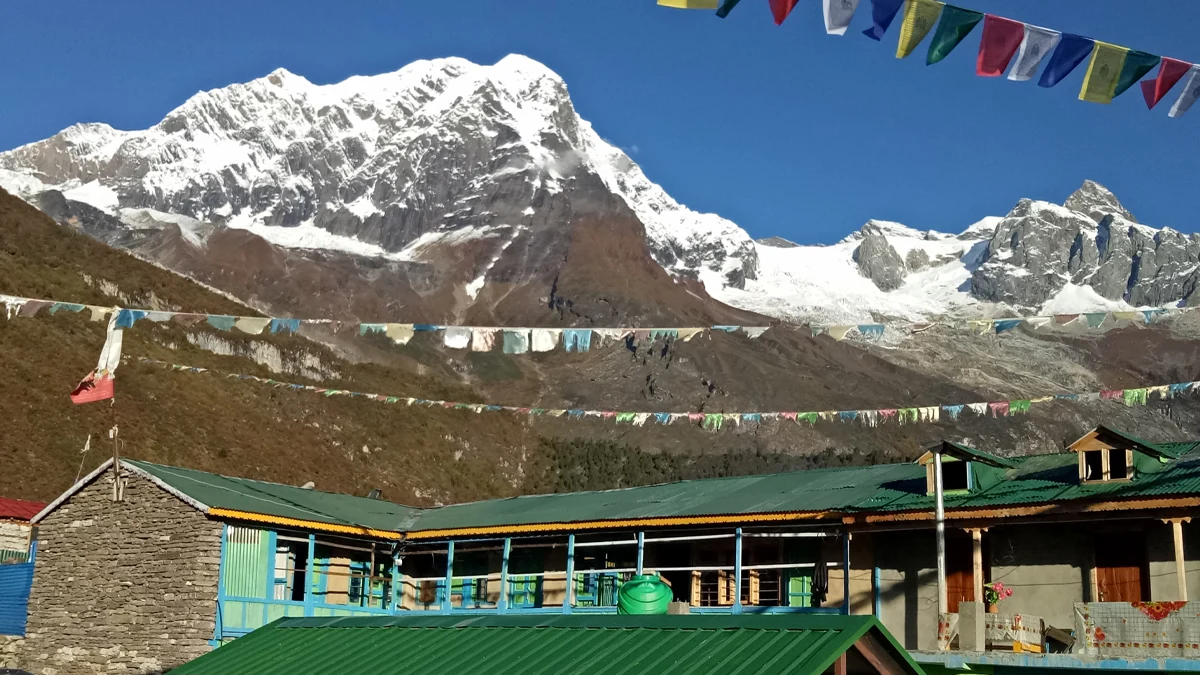
Teahouse on the Manaslu Circuit - Basic but functional accommodation with variable food and water safety
7. Teahouse Safety and the Food and Water Risk
Nobody talks about this one. It matters more than most people realize.
Gastrointestinal illness at altitude is more dangerous than the same illness at sea level. At 4,500m, your body is already working harder to oxygenate your blood. Add dehydration from diarrhea or vomiting, and AMS onset accelerates. Dehydration is one of the leading contributing factors in altitude sickness cases on both circuits.
Water quality on the Manaslu Circuit is variable above Samagaun. Some teahouses draw from glacial melt with minimal filtration. Boiled water is safer, but not guaranteed to eliminate all pathogens. Carry a SteriPen or a Sawyer Squeeze filter. Use it every day. Do not drink from any source without treating it first.
Food safety follows the same logic. On the Manaslu Circuit, kitchens are simpler and supply chains longer. A piece of meat refrigerated in Kathmandu has a different story at a teahouse at 3,800m with intermittent electricity. I apply a vegetarian or egg-based meal policy for all groups above Samagaun. It is not a hard rule, but it is mine, and it has kept groups healthy when others were not.
On the Annapurna Circuit, the situation is better but not perfect. Manang has reliable kitchens and good teahouses. The problem is what I call the Manang comfort trap. The town has bakeries, strong coffee, and decent Wi-Fi. Trekkers relax their guard precisely when they should not, the night before one of the hardest days on the circuit.
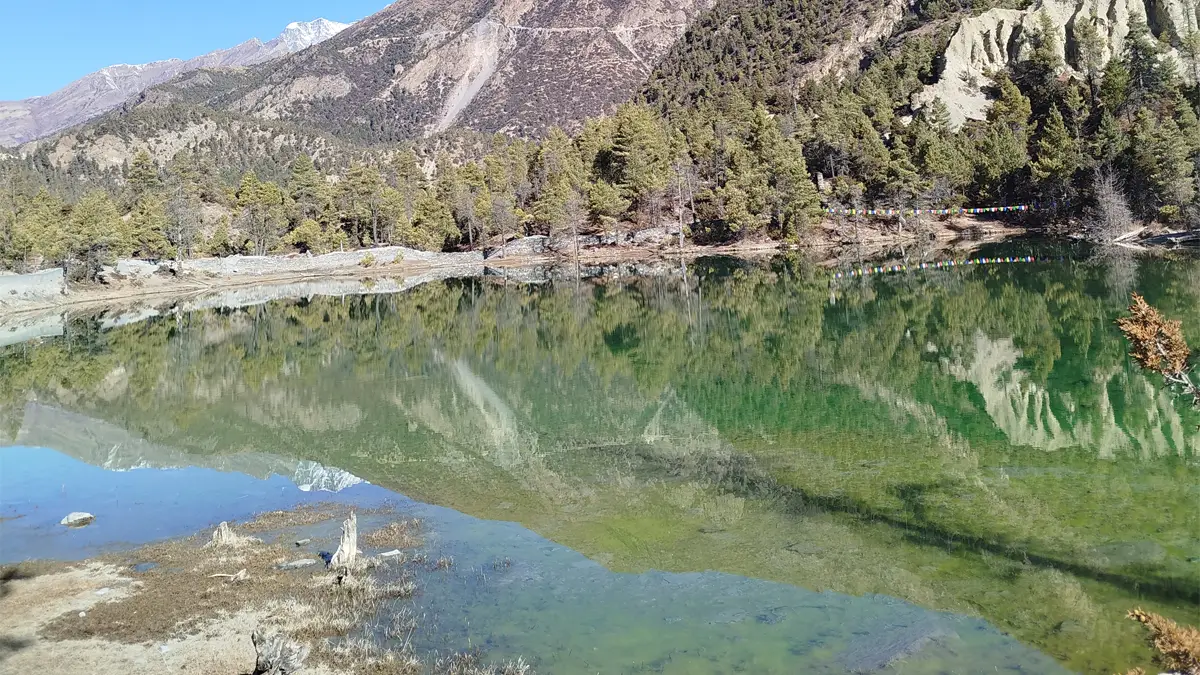
Green Lake above Manang - Optional acclimatization hike for trekkers spending extra days in Manang valley
What Tour Companies Do Not Tell You
I say this as someone who operates inside this industry: some of the most preventable incidents on these circuits have commercial decisions behind them.
Fixed itineraries are the biggest structural problem. A 14-day packaged Annapurna Circuit has built-in pressure to hit Thorong La on day 11, regardless of how your body is responding to altitude. Most packaged Manaslu itineraries include one rest day at Samagaun. One. That is the minimum a body needs after ascending from near sea level to 3,530m in six days. One rest day is frequently not enough. I recommend two, especially for trekkers over 50, anyone with cardiovascular history, or anyone showing AMS symptoms before Samagaun.
The teahouse information problem is real. Teahouse owners in Manang and along the Manaslu route depend on trekker traffic for income. There is a documented tendency to underreport trail conditions that might cause delays or turnarounds. I am not suggesting malice, it is human nature. But it means you cannot rely solely on the teahouse owner's read of whether the pass is "open" or the weather is "fine." Your guide needs independent contacts on the other side of the pass.
The guide pressure scenario is more common than it should be. I have held groups back from Thorong La on marginal weather days while clients pushed back about fixed Pokhara flights. Not every guide has the confidence to make that call against a paying client. Before hiring any guide, ask directly: "Have you ever turned a group back from a pass crossing? Why?" That answer tells you everything.
Questions to ask any trekking agency before booking:
What is your bad-weather protocol at Thorong La and Larkya La?
Does your itinerary include a contingency rest day before each high pass?
What communication equipment does your guide carry?
What is your evacuation procedure if a client develops HACE or HAPE?
Can your guide show proof of Wilderness First Aid or equivalent training?
If the agency hesitates or gives vague answers to any of those questions, keep looking.
View from Larkya La Pass - Clear day reveals Himlung (7,126m), Cheo Himal (6,820m), and Annapurna II (7,937m)
How to Trek Safely: Specific Protocols, Not Generic Tips
Acclimatization, The Non-Negotiable Schedule
For the Annapurna Circuit in 2026, the HRA recommends five nights between arrival in Manang and your Thorong La crossing:
Night 1: Arrive Manang (3,540m), rest
Night 2: Acclimatization hike above Manang (3,800 to 4,000m), sleep at Manang
Night 3: Manang, attend the HRA evening lecture
Night 4: Yak Kharka (4,050m)
Night 5: Thorong Phedi (4,540m) or Thorong High Camp (4,600m)
Crossing day: Thorong La (5,416m), descend to Muktinath (3,762m)
Most packaged tours skip nights 2 and 3. That is the problem.
For the Manaslu Circuit, follow these rules strictly:
Gain no more than 300 to 500 meters of sleeping altitude per day above 3,000m
Plan a mandatory rest day at Samagaun (3,530m), ideally two days
Do not push from Samdo at 3,860m to Dharamsala at 4,460m if anyone in the group shows AMS symptoms
Fitness Preparation Timeline
Begin preparation 12 weeks before departure. Cardiovascular fitness reduces effort at altitude and lowers resting heart rate, both matter. Strength protects your knees on the long descents from both passes.
Descent to Goa (2,515m) - Long downhill through rhododendron forest after crossing Larkya Pass
Emergency Kit, What to Actually Carry
Every trekker on these circuits should carry these items personally, not just rely on the guide:
Pulse oximeter (USD 20 to 30, weighs 50g)
Diamox (Acetazolamide) 125mg, discuss dosage and prophylactic use with your doctor before departure
Ibuprofen and paracetamol for headache management
Dexamethasone for HACE emergency, prescription only, discuss with your doctor
Nifedipine for HAPE emergency, prescription only, discuss with your doctor
Emergency bivy bag (under 200g)
Satellite communicator, essential for the Manaslu Circuit
Insurance: What Your Policy Actually Needs to Cover
Travel insurance is now required for permit issuance on both circuits. Over 500 helicopter evacuations took place in Nepal in 2024. Without insurance, you will likely need to provide upfront payment before helicopter dispatch, typically USD 10,000 to 20,000. That delay is dangerous in a life-threatening situation.
Your policy must explicitly include:
Helicopter evacuation to at least 6,000m altitude, Thorong La is 5,416m and some policies cap at 5,000m
HACE and HAPE listed as covered conditions, not excluded as altitude-related illness
Minimum medical evacuation coverage of USD 100,000 (USD 200,000+ recommended for Manaslu)
Search and rescue as a separate line item from medical evacuation
Coverage specific to trekking activity, not just general adventure travel
Manaslu evacuations cost between USD 10,000 and 18,000. Some rescue operators require payment confirmation before dispatch. A policy with direct billing to the provider, rather than reimbursement to you after the fact, can be the difference between a fast response and a dangerous delay.
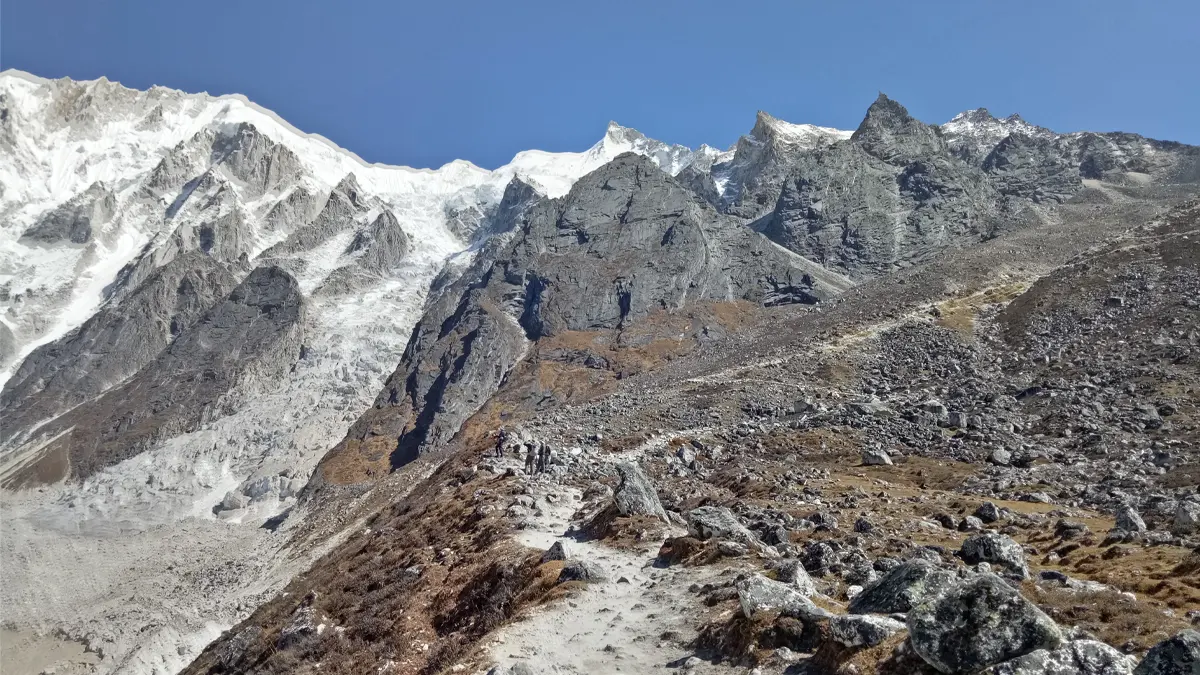
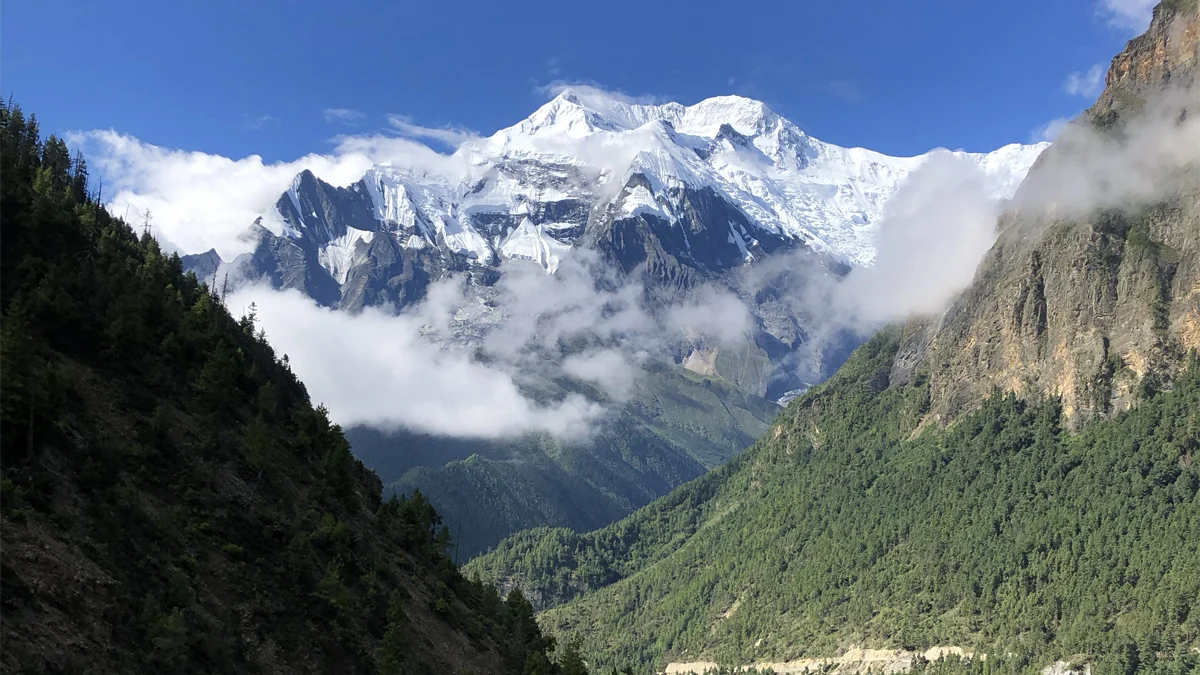
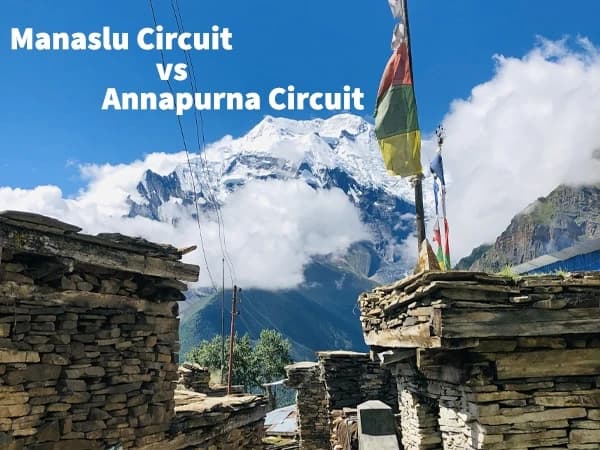
Annapurna Circuit trail vista - Spectacular mountain views come with serious high-altitude risks
Frequently Asked Questions
Is the Annapurna Circuit dangerous for beginners?
The Annapurna Circuit is accessible to fit, prepared trekkers with no previous high-altitude experience, but it demands serious preparation. The Thorong La crossing at 5,416m is where most incidents occur. Beginners should plan a slower itinerary with built-in rest days, attend the HRA clinic in Manang, and hire an experienced guide. Contact our team to assess whether your fitness level and timeline are realistic.
What risks on the Manaslu Circuit are different from Annapurna?
Remoteness and compressed elevation gain are the two major differentiators. On Manaslu, you ascend faster and evacuation infrastructure is significantly more basic. Landslide risk on the lower Buri Gandaki gorge is higher. Communication is unreliable above Samagaun. A licensed guide is legally required, and for very good reason. See our full Manaslu Circuit safety guide for complete logistics details.
How dangerous is Thorong La Pass specifically?
Thorong La at 5,416m is the site of Nepal's worst-ever trekking disaster, 43 deaths in a single October 2014 storm. Outside of disaster scenarios, the pass sees fatalities almost every year from altitude sickness, falls, and cardiac events. With proper acclimatization, the right itinerary, and the judgment to turn back in bad weather, the crossing is manageable. Dangerous, yes. Inevitable, no.
Can you die from altitude sickness on these circuits?
Yes, and it has happened to experienced, fit trekkers. HACE and HAPE are life-threatening conditions that develop within hours at high altitude. The critical variables are ascent speed, whether early symptoms are recognized, and how quickly descent begins. The Annapurna Conservation Area recorded 21 deaths attributed to altitude sickness in the 2023-2024 fiscal year alone.
Is the Manaslu Circuit safe without a guide in 2026?
No, and it is also illegal. The restricted area permit requires documented guide registration. The remoteness of the Manaslu Circuit creates genuine life-safety gaps without someone who knows the terrain, reads weather, and has local contacts for evacuation coordination. Trekkers who develop altitude sickness on Manaslu without a guide face a critical breakdown in the response chain.
What is the best month to minimize danger on these treks in 2026?
Late March through mid-May and early October through mid-November are the traditional windows. Late March and April carry lower storm risk than October, particularly at the passes. October remains the busiest and most statistically risky month due to Bay of Bengal cyclone remnants. Whatever month you choose, monitor elevation-specific weather forecasts daily in the final two weeks before each pass crossing.
What should I do if my companion shows signs of HACE or HAPE?
Descend immediately. Do not wait for morning. Do not wait for helicopter confirmation. Administer Dexamethasone for HACE or Nifedipine for HAPE if carried and if trained to use them. Activate supplemental oxygen if available. Alert your guide to initiate the evacuation call. The moment HACE or HAPE is suspected, your only objective is descent. It is the only field treatment that matters.
Conclusion
The Annapurna and Manaslu Circuits are magnificent, life-changing treks. They pass through landscapes and communities that few places in the world can match. Thousands of people complete them safely every year.
The dangers in this guide are real and documented. They are also largely manageable with the right preparation, the right itinerary, and the right guide. The trekkers who die on these circuits are not always the inexperienced ones. They are often the confident ones, people who pushed through a symptom they should have respected, who attempted a pass when they should have turned back, or who bought the cheapest insurance and hoped they would not need it.
Preparation is the difference between a story you tell for the rest of your life and one that gets told without you. Talk to our team before you book either circuit, we will build an itinerary that gives you the best chance of standing on that pass and walking back down safely.
2026 Manaslu Circuit permits are limited and fill early in peak season. Early planning means more flexibility, proper buffer days, and more time to prepare. Do not leave it late.
View our Annapurna Circuit packages | View our Manaslu Circuit packages | Download the high-altitude preparation checklist | Read the Nepal trekking permits guide for 2026
This guide reflects current knowledge as of early 2026. Trail conditions, permit regulations, and rescue infrastructure change seasonally. Always verify current information with your guide and agency before departure.