The Annapurna Circuit trek costs between $700 and $2,500 per person in 2026. Budget treks average $700-$1,000 while standard guided treks cost around $1,200-$1,800 total. Full-service packages range from $2,000-$2,500 depending on your needs. The only mandatory expense is the ACAP permit at $30 per person.
The Annapurna Circuit trek needs realistic budgeting to avoid mid-trek money problems. Most trekkers spend $1,200 to $1,800 for a standard 15-18 day guided Annapurna Circuit trek. This includes hotels, permits, guide services, teahouse rooms, meals, and ground transport from Kathmandu.
Currently, only the ACAP permit is mandatory at $30 per trekker this year. The TIMS card is not required as of 2026 though regulations may change. Furthermore, Nepal no longer legally requires guides since 2023 for this trek route. However, hiring a guide remains the safest choice for most trekkers overall.
Over the last decade we've priced more than 300 Annapurna Circuit trekking trips. Consequently, clients who budget properly enjoy safer and smoother mountain trekking experiences overall. The biggest cost variables are guide services, porter support, room quality, and timing.
Additionally, spring and autumn seasons cost 15-25% more than winter or monsoon months. Understanding these seasonal factors helps you plan accurately for your mountain trek adventure.
Annapurna Circuit Cost Summary Table
Trek Type
Total Cost USD
What's Included
Best For
Budget Trek
$700 - $1,000
ACAP permit basic rooms simple meals local bus no guide
Experienced independent trekkers comfortable with basic mountain facilities
Standard Trek
$1,200 - $1,800
ACAP permit licensed guide teahouse rooms three meals daily private vehicle transport
First-time Himalayan trekkers seeking safety cultural insight moderate comfort
Trekkers prioritizing comfort minimal planning stress professional support
Detailed Annapurna Circuit Cost Breakdown
Permits Cost
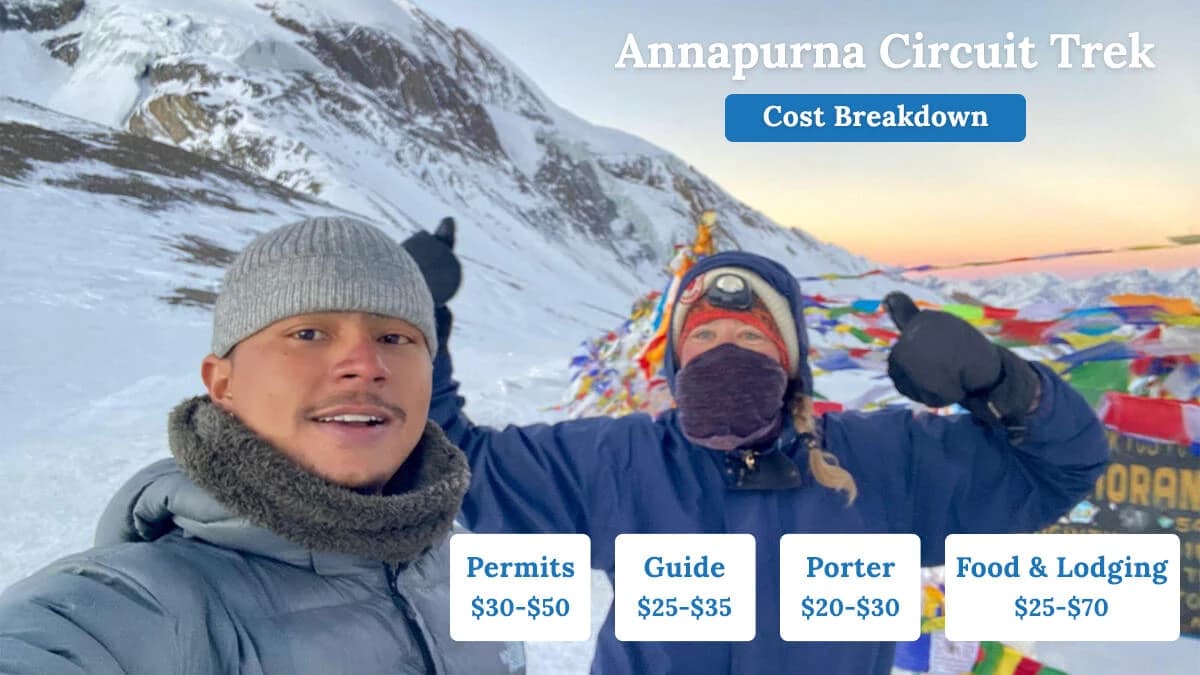
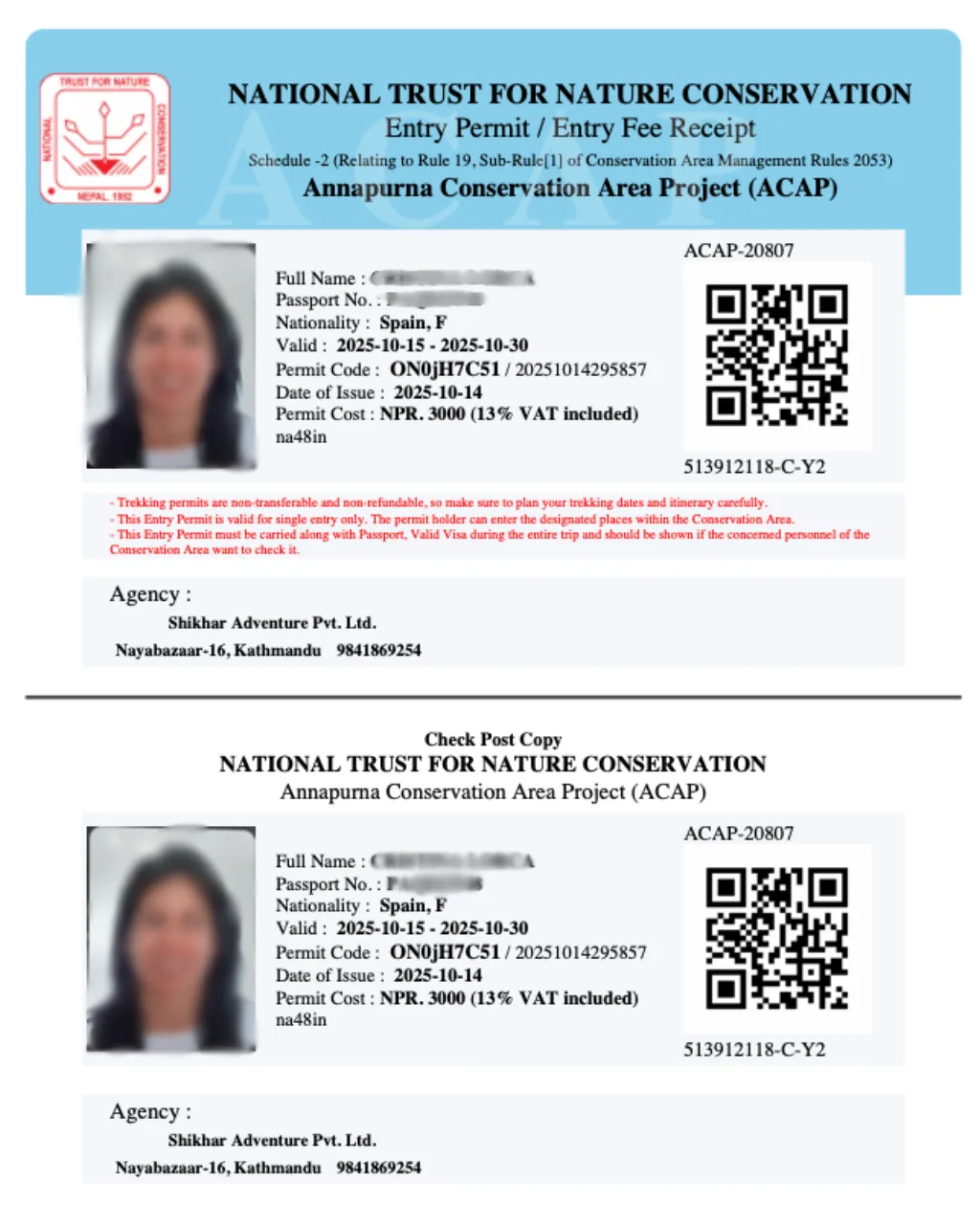
The Annapurna Circuit requires only one permit for trekking in this region. The ACAP permit costs just $30 per person and supports trail upkeep. The TIMS card is not mandatory though this policy may change later. Therefore, budget only $30 for permits when planning your trek this year.
Annapurna Conservation Area Permit (ACAP) required for Annapurna Circuit Trek
Total Permit Cost: $30 USD per person - ACAP only(TIMS not mandatory)
As a registered trekking agency we process ACAP permits online for our clients. This makes the whole process simple and fast for everyone traveling with us. We only need passport copies and one digital photo from each trekker. The entire process takes few minutes before your mountain trip adventure begins.
Alternatively, you can get permits in person at the Nepal Tourism Board regional office. The offices are conveniently located in Kathmandu and Pokhara. However, online processing is more convenient, particularly for those with limited time in Kathmandu.
Guide Cost
A licensed trekking guide charges between $25 and $35 per day on average. This rate covers their expertise, safety knowledge, cultural storytelling, and route navigation. More experienced guides with fluent English charge higher daily prices for their services.
Guide Cost: $25-$35 USD per day, for a total of $375-$630 for 15-18 days.
Guide prices vary depending on expertise level, language capabilities, and group size. Guides with 10 plus years experience typically charge $30-$35 daily for services. Your agency also covers the guide's food, rooms, insurance, and transport fee costs. These expenses are included in the quoted rates you receive from agencies.
Hiring a guide adds significant value beyond simple navigation services on mountain trails. They handle permit checks, negotiate teahouse pricing, and spot altitude sickness symptoms early. Moreover, they provide cultural context at villages like Manang and Muktinath along routes.
We've seen guides prevent serious mountain problems by recognizing weather pattern changes quickly. Consequently, they adjust daily schedules to keep all trekkers safe on trails.
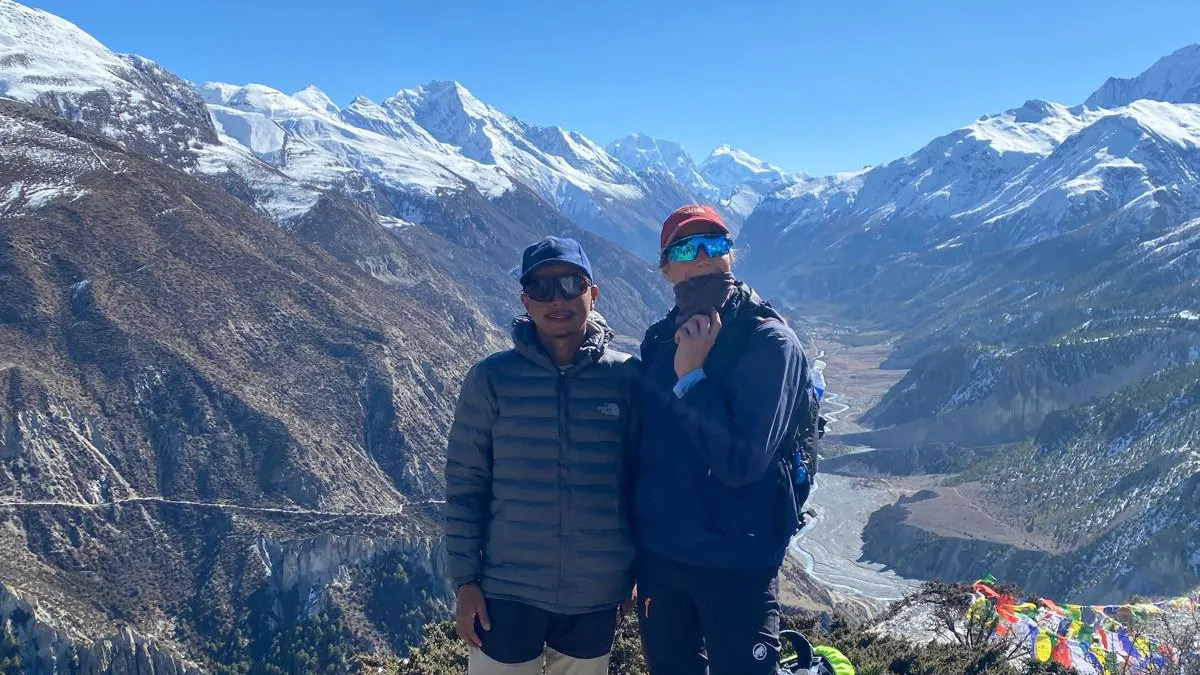
Guided Annapurna Circuit Trek in Nepal with experienced local guide
Porter Cost
Porters charge $20 to $25 per day for carrying gear across mountain routes. They carry up to 20-25 kg of client gear across the circuit trail. This allows trekkers to walk with only a light daypack during mountain days. Each porter typically carries bags for two trekkers on the trek route.
Porter Cost: $20-$30 USD per day total $300-$450 for 15-18 days
Porter costs remain steady across seasons and routes throughout the entire trekking year. Ethical trekking companies provide porters with proper gear, insurance, rooms, and daily meals. Weight limits exist for porter safety so respect these trail guidelines very carefully. If your gear exceeds 25 kg you'll need a second porter definitely.
Many first-time Himalayan trekkers don't realize the value of porter support on trails. Carrying heavy packs above 3,000 meters significantly increases altitude sickness risk for most people. Therefore, a porter allows you to maintain proper hydration and energy for passes. This support proves especially valuable at high passes like Thorong La at elevation.
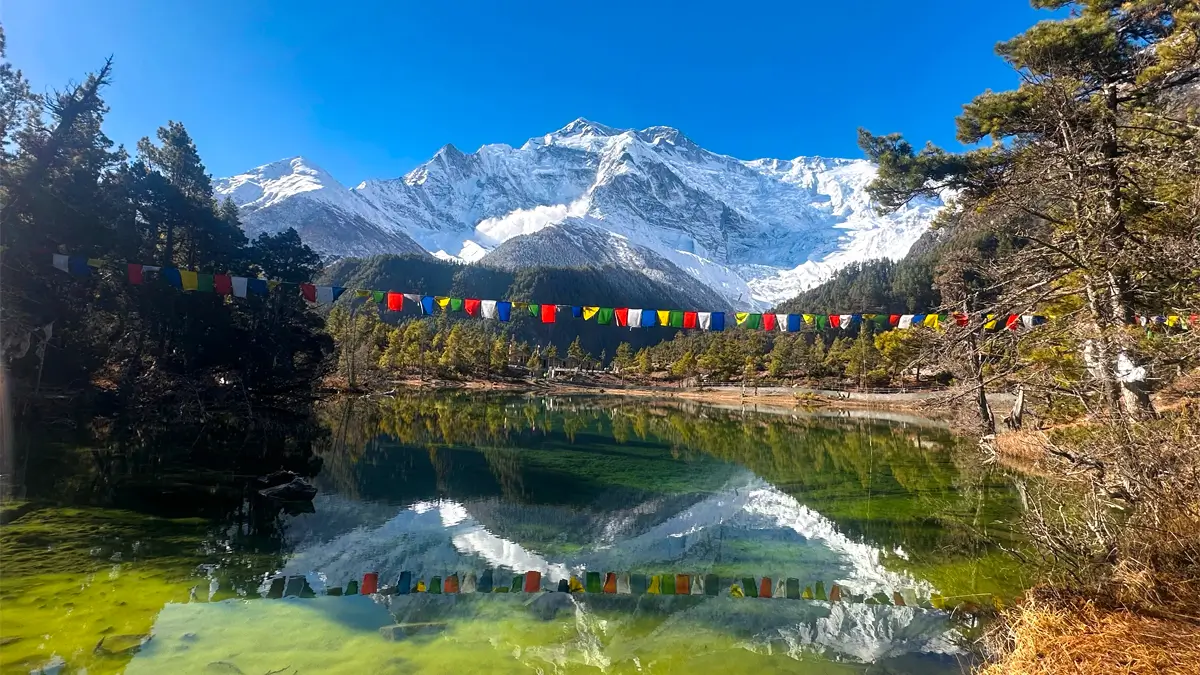
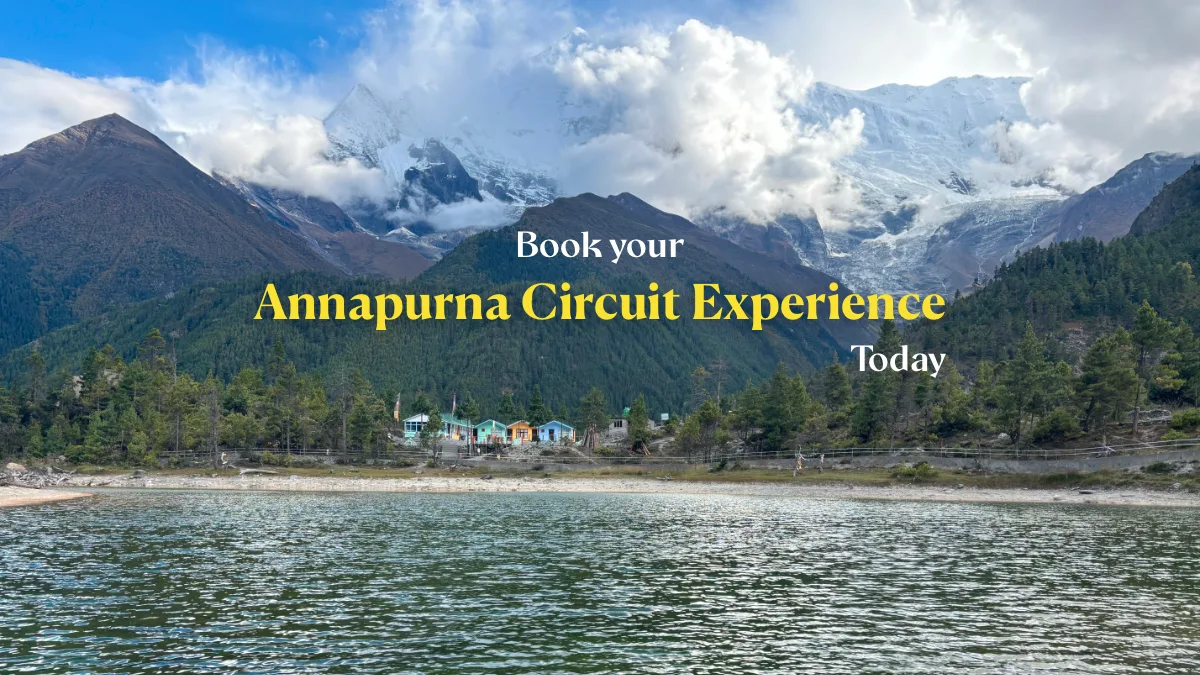
Blue Lake Manang along the Annapurna Circuit Trek in Nepal
Accommodation Cost
Teahouse rooms along the Annapurna Circuit cost between $3 and $15 per night. Lower villages charge just $3-$5 for basic rooms with simple mountain facilities available. Higher altitude locations like Manang and Muktinath charge $10-$15 per night instead. Thorong Phedi teahouses also charge premium rates due to high elevation and remoteness.
Accommodation Cost: $5-$12 USD average per night totaling $75-$180 for 15 nights
Prices increase with elevation because supplies become harder to transport uphill to teahouses. Rooms at Thorong La base camps cost the most due to difficult location. Most teahouse rooms include two single beds with basic mattresses and warm blankets. Private bathrooms add $2-$5 per night to your total accommodation expense costs.
Teahouse owners expect guests to purchase three daily meals at their establishment regularly. Some offer free or discounted rooms if you eat all meals there daily. During peak season advance booking through your guide prevents room shortages at teahouses. March through May and September through November are the busiest trekking months.
Food and Drinking Water Cost
Food costs average $20 to $30 per person daily for three full meals. Dal bhat remains the most budget-friendly option at just $5-$8 per full meal. Western dishes cost $8-$12 with higher prices at upper elevation mountain villages. Food prices increase significantly as you climb higher on the mountain trek.
Food Cost: $20-$30 USD per day total $300-$540 for 15-18 days
Safe drinking water costs $2-$5 per liter at higher elevations each trekking day. Budget-conscious trekkers use water filters or purification tablets instead of purchasing bottled water. We strongly recommend purification systems for both environmental and cost reduction reasons overall.
Meal prices increase significantly above Manang village at 3,540 meter high elevation points. A dal bhat that costs $6 in Besisahar costs $10-$12 at Thorong Phedi. Many trekkers order dal bhat twice daily for nutrition and cost savings benefits. Tea coffee and snacks add $5-$10 daily to your overall food budget costs.
Transportation Cost
Ground transport from Kathmandu to Besisahar costs $10-$15 per person by bus. Local buses are the cheapest option for budget-conscious trekkers going to start points. Private jeep hire costs $150-$200 but offers more comfort and schedule flexibility overall.
Transportation Cost: $20-$30 USD local bus or $270-$350 USD for private vehicle plus flight
Local buses run daily from Kathmandu to Besisahar every single morning for trekkers. However, they take 7-9 hours on rough mountain roads through difficult terrain areas. Tourist buses offer more comfort for $15-$20 as an alternative transportation option. Private jeeps provide schedule flexibility and work well for small trekking groups overall.
Many trekkers fly from Jomsom to Pokhara for $120-$150 to save walking time. This flight saves 2-3 days of walking but depends heavily on weather conditions. Morning flights have better success rates so book these early time slots wisely. Budget an extra day in Jomsom for potential flight delays that happen often. These occur frequently during winter and monsoon seasons in the mountain regions.
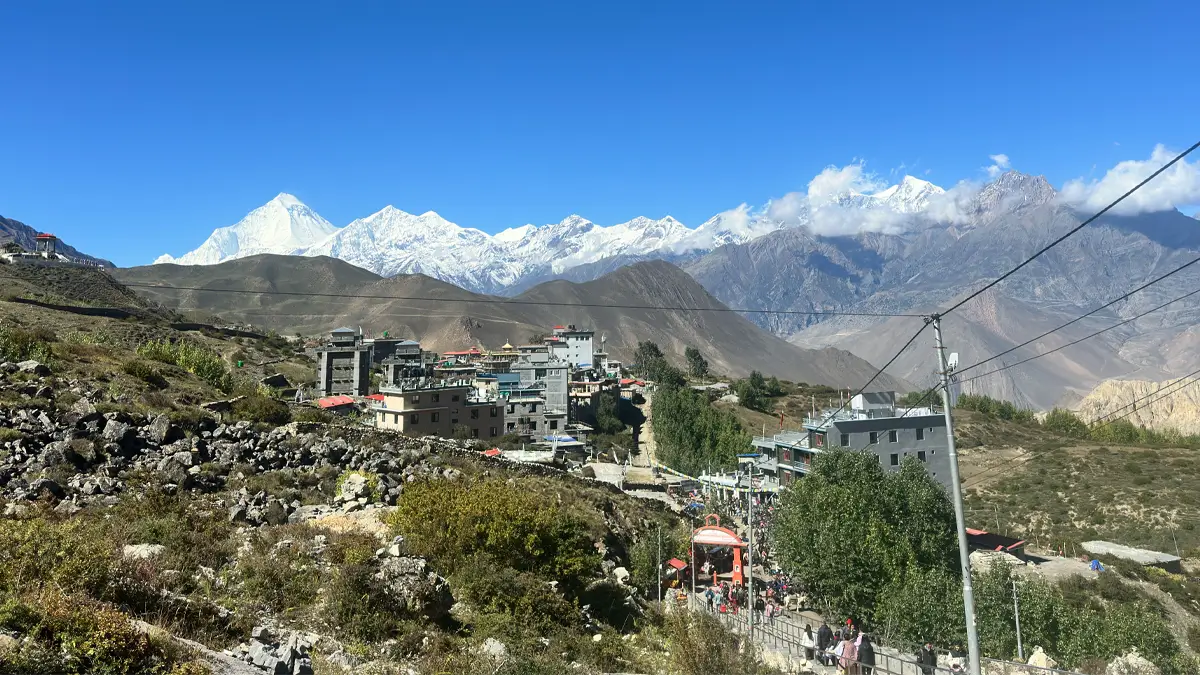
View from Muktinath on Annapurna Circuit Trek with Nilgiri and surrounding peaks
Hidden and Often Underestimated Costs
Several costs catch trekkers by surprise on the Annapurna Circuit trek every season. Hot showers cost $2-$5 at teahouses with higher prices at mountain elevation points. Phone and camera charging costs $2-$4 per device charged at mountain teahouse locations. Wi-Fi access ranges from $3-$5 daily where it's available at teahouse locations.
However, signal quality remains unreliable above Manang at higher elevations throughout the region. Therefore, don't rely on internet access for important communications during your mountain trek.
Tips for guides and porters: Budget $100-$150 each for standard 15-18 day trips. This equals roughly $8-$10 per person per day for all support staff. Tipping remains customary and expected in Nepal's trekking industry standards and local customs.
Travel insurance and evacuation: Insurance with helicopter coverage costs $80-$150 for trip duration. This is absolutely mandatory for safety on high-altitude treks in remote Nepal. Helicopter rescue from high altitude costs $3,000-$7,000 without proper insurance coverage available.
We've personally coordinated 12 emergency evacuations over 20 years of mountain guiding experience. Consequently, insurance made the critical difference between financial ruin and quick safe recovery. Therefore, never skip this essential protection when planning your Annapurna Circuit trek adventure.
Hidden Costs Total: $200-$400 USD additional budget needed for extras
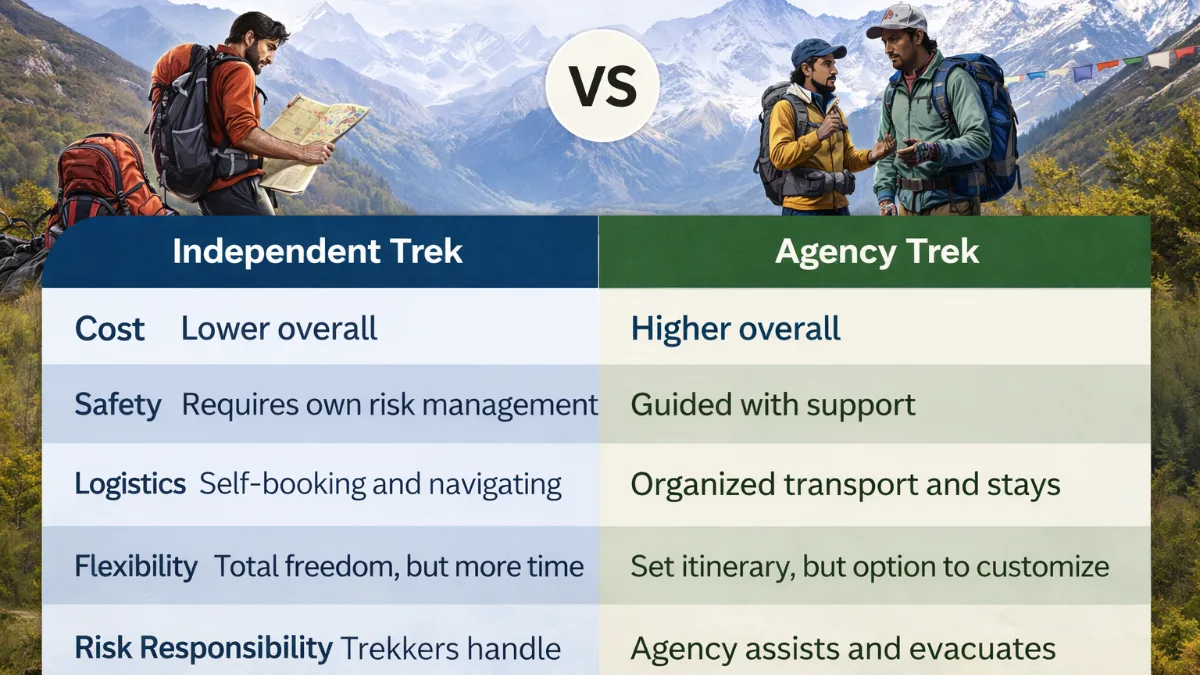
Independent Trek versus Agency Trek Cost Comparison
Independent trekking costs $700-$1,000 total for the entire circuit trek without guide services. This saves $400-$800 compared to guided packages offered by professional trekking agencies overall. However, this approach requires strong navigation abilities and wilderness experience on difficult mountain terrain.
You'll also need comfort with language barriers and permit processes in Nepal. First-time Himalayan trekkers should seriously consider hiring professional guide services instead for safety.
Factor
Independent Trek
Agency Trek
Total Cost
$700 - $1,000
$1,200 - $2,500
Safety Support
Self-reliant no emergency help available
Guide trained in altitude sickness and emergency response procedures
Logistics
Handle all permits bookings route finding yourself
Agency manages permits bookings transport problems
Flexibility
Change plans freely adjust pace anytime wanted
Set itinerary with flexibility for weather or health issues
Risk
Full personal responsibility for errors and emergencies
Shared responsibility professional support during mountain problems
Independent trekking suits experienced mountaineers comfortable with remote wilderness travel and navigation challenges. First-time Himalayan trekkers should definitely hire at least a professional guide instead. Those unfamiliar with altitude sickness symptoms definitely need professional support available on trails.
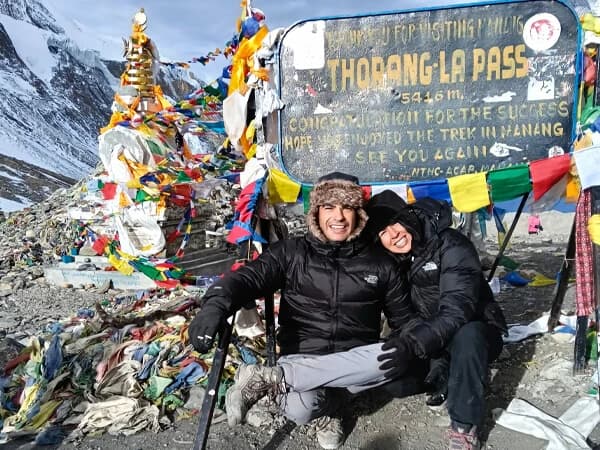
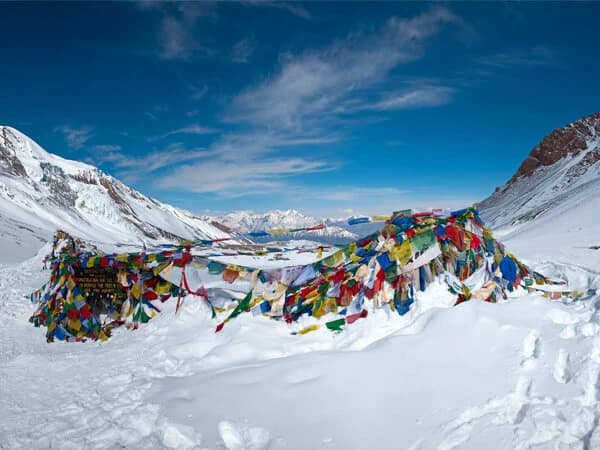
The Annapurna Circuit crosses Thorong La Pass at 5,416 meter elevation very high. Altitude sickness becomes serious quickly at these heights on the mountain trek route. Weather changes rapidly and trail conditions vary by season significantly in these mountains. Therefore, a professional guide provides safety margins that justify the extra cost difference.
Seasonal Cost Differences
Spring Season March to May
Spring trekking costs 15-20 percent more than off-season due to very high demand. Teahouse rooms get fully booked requiring advance reservations for accommodations ahead of time. Guide and porter availability tightens during these popular months significantly in Nepal mountains. However, weather remains stable and trail conditions stay excellent throughout spring trekking season. Clear skies and moderate temperatures make this the most popular season for trekkers.
Autumn Season September to November
Autumn represents peak trekking season with costs matching spring prices across all services. Clear mountain views and comfortable temperatures attract maximum crowds to the mountain trail. Book 2-3 months ahead to secure your preferred dates and guide services easily. Costs reach annual highs during autumn trekking season in Nepal Himalayas every year. However, weather reliability justifies premium pricing for most trekkers seeking weather guarantees overall.
Winter Season December to February
Winter trekking saves 20-30 percent on rooms and services throughout the circuit route. Teahouses offer negotiable rates due to fewer trekkers on the mountain trail overall. However, Thorong La Pass becomes dangerous with heavy snow and extreme cold temperatures. Some high-elevation teahouses close completely during winter months in the difficult mountain regions. Therefore, cost savings come with significant weather risks and very limited services available.
Monsoon Season June to August
Monsoon offers the lowest prices with 30-40 percent discounts possible at all teahouses. Many teahouses stay open but expect minimal guests during these challenging rainy months. Trails become muddy and leeches appear at lower elevations frequently during monsoon trekking season. Clouds obscure mountain views and landslide risks increase on certain difficult trail sections. Only experienced trekkers comfortable with challenging conditions should attempt difficult monsoon season treks.
We strongly recommend spring and autumn for first-time trekkers despite the higher costs. Weather predictability and trail safety outweigh savings for most people planning trek adventures. Winter suits experienced cold-weather trekkers with proper gear and mountain training behind them.
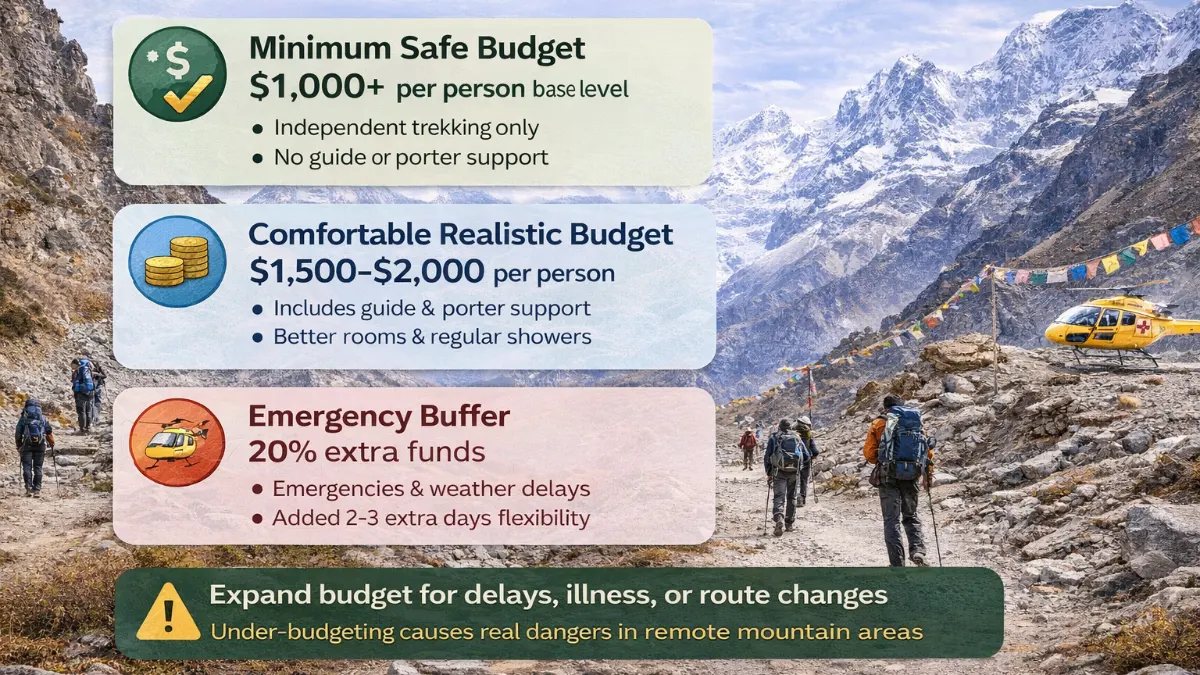
Recommended minimum and comfortable budget ranges for the Annapurna Circuit trek, including emergency reserve planning.
How Much Budget Do You Actually Need
The minimum safe budget for the Annapurna Circuit is $1,000 per trekking person. This covers permits, basic meals, teahouse rooms, local transport, and emergency reserve funds. However, this assumes independent trekking with no guide or porter support on trails. This option works only for experienced wilderness travelers with navigation skills and experience.
A comfortable realistic budget ranges from $1,500 to $2,000 per trekking person overall. This includes a licensed guide, decent teahouse selections, and adequate three daily meals. It also covers reasonable hot shower access and transportation flexibility throughout your trek. Additionally, proper emergency reserves are included in this recommended budget range for safety.
Under-budgeting creates serious problems on multi-week treks in remote difficult mountain areas regularly. We've seen trekkers run out of money at Thorong La camps unfortunately often. Consequently, they couldn't afford extra acclimatization days when altitude sickness appeared suddenly during treks. Others skip essential meals or hot showers to save money unnecessarily on trails. This increases health risks significantly and reduces enjoyment of the trek experience overall.
Emergency helicopter evacuations cost thousands without proper insurance coverage for these mountain situations. Build a 20 percent buffer above your calculated costs for unexpected trek situations. Weather delays, health issues, or route changes often extend duration by 2-3 days. Therefore, this financial buffer prevents stress during unexpected trek situations that arise often.
Frequently Asked Questions
Do I need a guide for Annapurna Circuit?
Nepal no longer legally requires guides for the Annapurna Circuit trip due to regulatory changes. However, hiring a guide considerably increases safety, particularly for first-time mountain trekkers. Guides can detect altitude sickness symptoms early and efficiently handle weather changes on mountain hikes. They also give emergency support at high pass crossings such as Thorong La. As a result, most hikers engage guides for mountain trips to ensure their safety and cultural understanding.
Is Annapurna Circuit cheaper than Everest Base Camp?
The Annapurna Circuit costs slightly less than Everest Base Camp trek for services. Annapurna averages $1,200-$1,800 for standard guided treks with all necessary services included. Everest Base Camp costs $1,500-$2,200 for similar services and trek duration overall. The Everest region has higher permit fees at $50 versus just $30 total. Food and rooms cost more due to remote location logistics in Everest region.
How much cash should I carry on the trek?
Carry $600-$800 USD in Nepali rupees for a standard 15-18 day circuit trek. ATMs exist only in larger villages like Manang and Jomsom along the route. Furthermore, they frequently run out of cash during peak trekking seasons unfortunately often. Teahouses guides and porters accept only cash payments along the entire mountain trail. Therefore, bring sufficient cash before starting your trek journey into mountain regions safely.
What is included in trekking agency package prices?
Standard agency packages include ACAP permit processing and licensed guide daily services throughout. They also cover guide food, rooms, and transport from Kathmandu to trek trailhead. Some packages also include pre-trek hotel stays in Kathmandu for added convenience. Packages often omit personal meals, teahouse accommodations, and travel insurance charges. They also eliminate tips and personal expenses, like as hot showers along the way.
Can I cut costs by sharing a guide and porter?
Yes, dividing guide and porter expenditures among 2-4 trekkers lowers per-person expenses. A guide's daily rate is the same whether she serves one or four people. Splitting these services can save between $200 and $400 per person over the course of the voyage. As a result, group hiking provides significant cost benefits for budget-conscious individuals planning mountain experiences.
Do costs increase at higher elevations?
Accommodation and food costs increase 40-60 percent at higher elevations like Manang village. Helicopter and porter transport makes supplies more expensive to deliver there from below. A meal costing $6 at Besisahar costs $10-$12 at Thorong La base camps. Therefore, budget more for days spent at higher elevations on your mountain trek.
Do I need a TIMS card for Annapurna Circuit in 2026?
No the TIMS card is not currently required for treks as of now. Only the ACAP permit at $30 is mandatory for the entire circuit. Regulations may change so check current requirements before your trek starts this year. Alternatively, book with an agency that stays updated on all permit policies regularly.
Is travel insurance really necessary for this trek?
Travel insurance with helicopter evacuation coverage is a must for the circuit trek. Altitude sickness injuries or weather-related emergencies require helicopter rescue from difficult mountain areas. These rescues cost $3,000-$7,000 out of pocket without proper insurance coverage available. Comprehensive trekking insurance costs just $80-$150 and provides critical financial protection for emergencies. Therefore, it's a small price for peace of mind on mountain adventures.
Final Thoughts on Annapurna Circuit Trek Costs
Realistic budgeting makes the Annapurna Circuit safer and more enjoyable for all trekkers. Most trekkers need $1,500-$2,000 for a comfortable properly supported trek with services. Understanding permit requirements, guide value, and seasonal pricing prevents mid-trek financial stress problems. Additionally, knowing hidden costs helps you plan accurately for the mountain journey ahead.
The trail involves crossing challenging terrain and rocky passes that are over 5,000 meters. Trekkers can considerably minimize their risks by planning ahead, having appropriate supplies, and seeking professional aid. For more than 20 years, our crew has led hikers, and we know that this is the safest method. Hikers who go with knowledgeable guides who have the right equipment and safety precautions have a far better experience.
Asking for a quote helps you figure out how much it will cost based on your needs and trip plans.
Connect with us for personalized pricing that meets your needs. We'll ensure you receive accurate costs tailored specifically to your adventure, plans, and choices.