Less Crowded Treks in Nepal: 2026 Guide to Hidden Himalayan Trails

Dambar
Updated on December 03, 2025
The less crowded treks in Nepal

Leave the crowds behind and explore the hidden jewels of Nepal's Himalayas in 2026 with our knowledgeable guide who knows the best routes for a peaceful trek.

Where truly quiet treks in Nepal begin

The first light reaches the cliffs of Meta, and the Nar Valley is bathed with a warm, golden glow. On these quiet routes—where a quieter trek in Nepal awaits—the only sounds you hear are those of the river gurgling below and your footsteps breaking with a consistent crunch.

Concerns about safety, trekking routes, new 2026 permit regulations, and entry into remote zones would be valid for many adventure-seekers.

However, with over 12 years of guiding experience and leading 230-plus treks in the Himalayas, I must convey the message that the less-trekked paths can be much safer, predictable, and full of better experiences with proper local knowledge.

Why Travelers Need Better 2026 Information?

For hikers in 2026, new challenges arise. There are record numbers of hikers on the most popular routes, and the lack of up-to-date information on the internet introduces a new degree of uncertainty, including recent changes in permit requirements for some hikers.

That is why local advice is so important. With up-to-date field notes from our guides, a strong network with teahouse owners, and new ideas gleaned from the 2024–2026 seasons, we've written this guide to help you use Nepal's quiet routes with confidence. This guide features reliable 2026 logistics information, cultural details, prices, safety advice, and insider know-how for structuring a calm and peaceful trek.

Why Travelers Are Opting for Less-Touristy Trails in Nepal in 2026

A Shift Towards Genuine and Peaceful Travel

Players of 2026 travel seeking space, quiet, and authentic cultural engagement. It's a reaction to a lifetime of overcrowded trekking paths and busy travel schedules when what's increasingly sought is a truly untrod moment. A quieter Nepal provides just this equilibrium of open space, quiet rural society, and a pace set by you alone.

Authenticity is a big factor too. Here, people can see settlements where locals cultivate the land, monasteries performing their routine, and teahouses being more homely.

People looking for authentic experiences rather than organized tours will be able to get these easily on unexplored routes. This is because trekking on remote routes helps those settlements with little income generated from trekking routes.

Realistic Challenges and 2026 Conditions

Quieter routes can be very satisfying, although they demand realistic expectations. There are routes suitable for novices, such as Pikey Peak, and routes with much harder conditions, such as Upper Dolpo or Nar Phu, requiring a good level of fitness, acclimatization, and expertise with remote areas. Altitude will exceed 4,000 meters, and the trails may vary from forests to scree and ridges.

The climate changes in 2026 impact trekking too. Clear mornings with unpredictable cloud cover define spring. Autumn is the most stable season with better visibility. Monsoon areas make trekking a challenge, and winter needs special equipment.

Because of road updates, permit renovations, and new trekking routes due to changes in 2024, most people look for fresh advice on which route is best for a peaceful trek for them.

Eight Spectacular Less Crowded Treks in Nepal (2026 Edition)

Nepal's quieter trails provide access to peace, culture, and dramatic scenery away from the crowds of other tourists. For 2026, these alternative routes enable you to trek remote valleys, high passes, and villages with a sense of serenity.

Each trek has been chosen for its scenic views, cultural encounters, and manageable routes. With new 2026 permits and tips, these eight trek routes promise an adventure you will never forget in the Himalayas.

Nar Phu Valley Trek

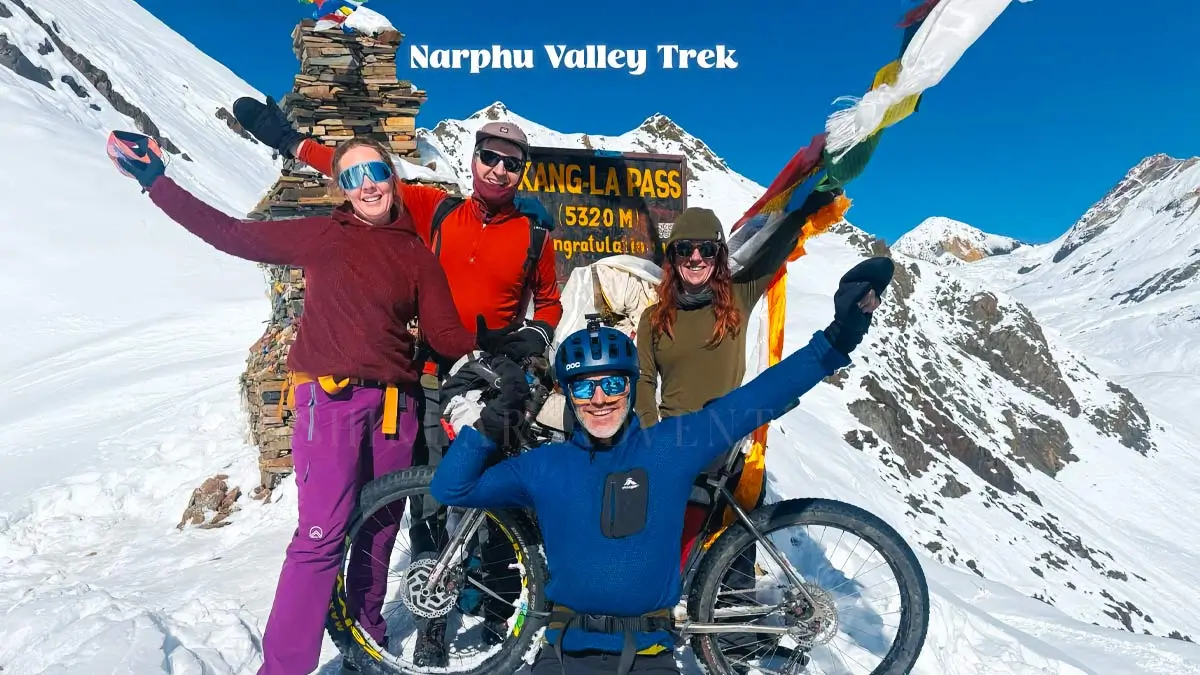
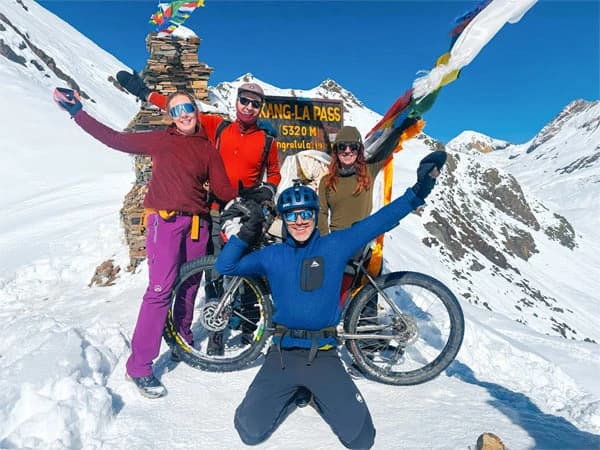
Kangla Pass - Nar Phu Valley Trek

The Nar Phu Valley Trek is one of Nepal's most unexplored and peaceful routes, which is nestled within the northeast corner of Annapurna. Unlike the Annapurna Circuit, which is a crowded trek, the Nar Phu Valley Trek provides an up close and personal view of Tibetan culture as well as an encounter with the majestic landscape of the Himalayas.

The trek takes one through gorges, yak grazing areas, and passes with a promise of adventure for those ready to walk away from the usual tourist routes. Nar Phu is a must-do adventure for those seeking peace, culture, and adventure in one single trip and is best done with a guide due to some permit changes in 2026.

Quick Facts

Duration 10–12 days
Difficulty Moderate to challenging
Max Altitude 5,320m (Kang La Pass)
Best Season March–May, September–November

Special Points (Day-to-Day Glimpse)

  • Day 1–2: Koto to Meta pass – quiet forests, river valleys, and gorges.
  • Day 3: Meta to Phu – Tibetan Villages, Prayer Flags, and Yak Meadows
  • Day 4: Explore Phu and Tashi Lhakhang Monastery, traditional ways of
  • Day 5: Phu to Nar – Remote Villages and Serene Valley landscapes

Teahouse Tips

  • Phu Guest House, warm rooms and a night-time fire.
  • Satek Gompa Teahouse yak butter tea, monastic storytelling

Cultural Notes

Experience the baking of khapse during the pre-winter season; the residents will invite outsiders to see the process.

The Photography Spots

  • Sunrise above Phu Gate
  • Ridge of Kang La Pass during mid-morning

Permits

  • Restricted Area Permit: 100$/week (Sept.–Nov.), 75$/week (Dec.-Aug.)
  • ACAP Permit: Mandatory

Best For: Experienced hikers, photographers, culture lovers looking for profound isolation.

Manaslu Circuit Trek

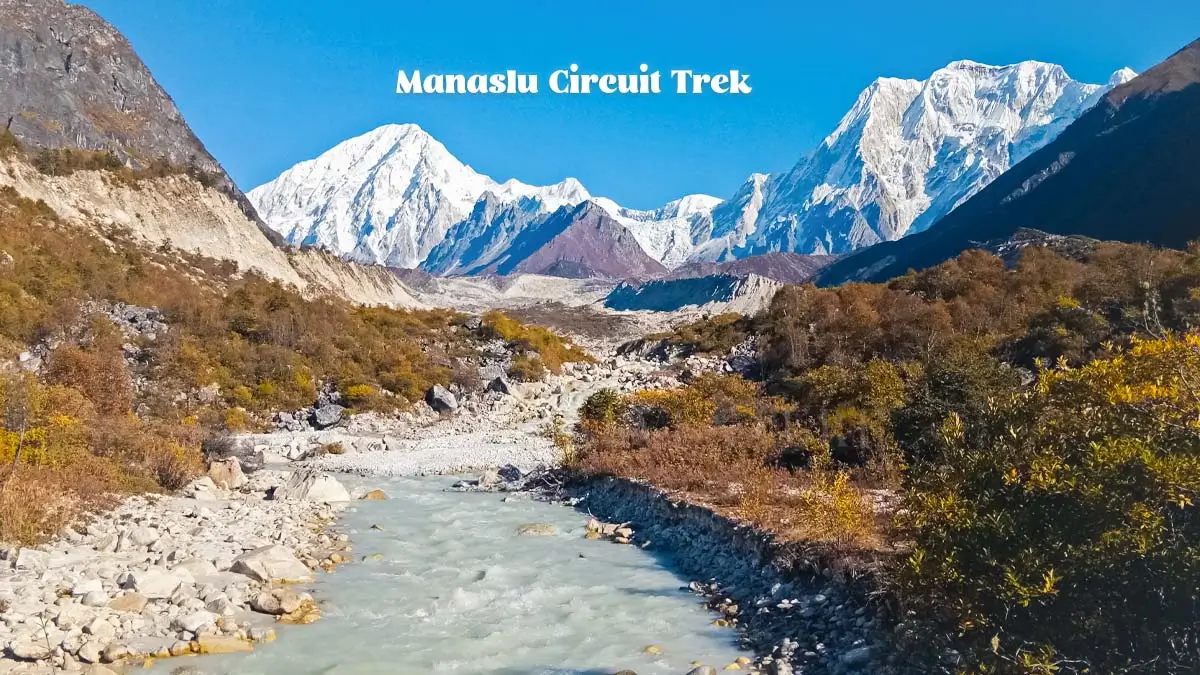
Manaslu Circuit Trek

The Manaslu Circuit Trek offers remote Himalayan landscapes, cultural adventures, and a lack of many other trek routes' crowds, with routes away from Everest and Annapurna. This trek route leads one past settlements, agricultural lands, and ridge lines with a backdrop of peaks including Manaslu North. From 2026, new permits and established routes will make restricted areas much easier to access.

Trekkers on this route can look forward to quiet walks, teahouses, and direct exposure to the locals. It is a perfect blend of adventure, culture, and quietness, and this makes it a great trek for those seeking a genuine Nepal Himalayan adventure amidst physical challenges.

Quick Facts

Duration 14–18 days
Difficulty Challenging
Max Altitude 5,160m (Larke Pass)
Best Season March–May, September–November

Route Significance

  • Soti Khola – Jagat: Valleys, rivers, suspension bridges.
  • Lho Village: Himalayan views, friendly sherpa households.
  • Samagaun: acclimatization, Pungyen Gompa monastery.
  • Larke Pass: Pass is long, but worth the hike.

Teahouse Notes

  • Namaste Lodge (Lho): best vegetable thukpa
  • Kyimolung Guesthouse (Samagaun): Clean rooms and

Culture

Observe mani walls, prayer flags, and regional customs with proper greetings.

Permits

  • Manaslu RAP: Restricted Area Permit: 100$/week (Sept.–Nov.) then 15$ per day, 75$/week (Dec.-Aug.) then 10$ per day
  • MCAP and ACAP: Mandatory

Best For: Adventure enthusiasts, trekkers, photographers looking for undisturbed views of the Himalayas

Tsum Valley Trek

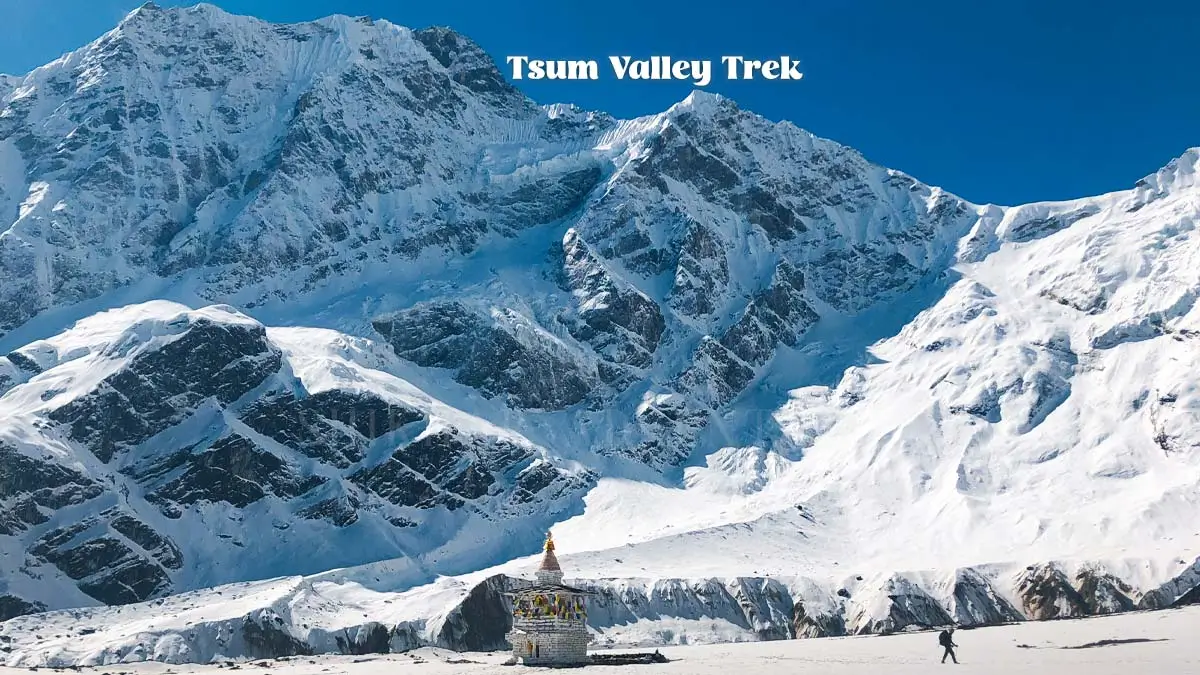
Trekking the Tsum Valley - Offbeat Trail

Tsum Valley Trek is one of Nepal's best-kept secrets, located in the northern Gorkha region, with a genuine Tibetan cultural encounter and pristine views of the Himalayas. As of 2026, this isolated trek is quiet, with an undisturbed atmosphere and pristine monasteries with revolving pray wheels in the villages.

The valley is perfect for adventure-seekers who look for a moderate level of trekking with exposure to regional culture. Rural areas retain old rituals unchanged for centuries, and monasteries offer information about living habits of Tibetan Buddhists. New 2026 permits have made entry easier for those led by local guides.

Quick Facts

Duration 10–12 days
Difficulty Moderate
Max Altitude 3,700m (Mu Gompa)
Best Season March–May, September–November

Highlights

  • Chumling: Stone houses, quiet streets, and prayer wheels.
  • Chhekampar: open fields and homesteads.
  • Mu Gompa: religious monastery with views of the mountains.

Teahouse Tips

  • Mu Gompa Guesthouse: Basic rooms, warm hospitality.
  • Local homestay: Homestay facilities in the local area may include:

Permits

  • Tsum Valley Permit: Restricted Area Permit: 40$/week (Sept.–Nov.) then 7$ per day, 30$/week (Dec.-Aug.) then 7$ per day
  • MCAP: Mandatory

Cultural Notes

Monks invite trekkers for a ceremony with "butter tea"; it is an act of respect to join

Photography Spots

  • Early morning monastery courtyard
  • Valley landscape during golden hour

Best for: families, culture aficionados, and moderate hikers looking for quiet routes.

Mardi Himal Trek

Magnificent Fishtail on Mardi Himal Trek

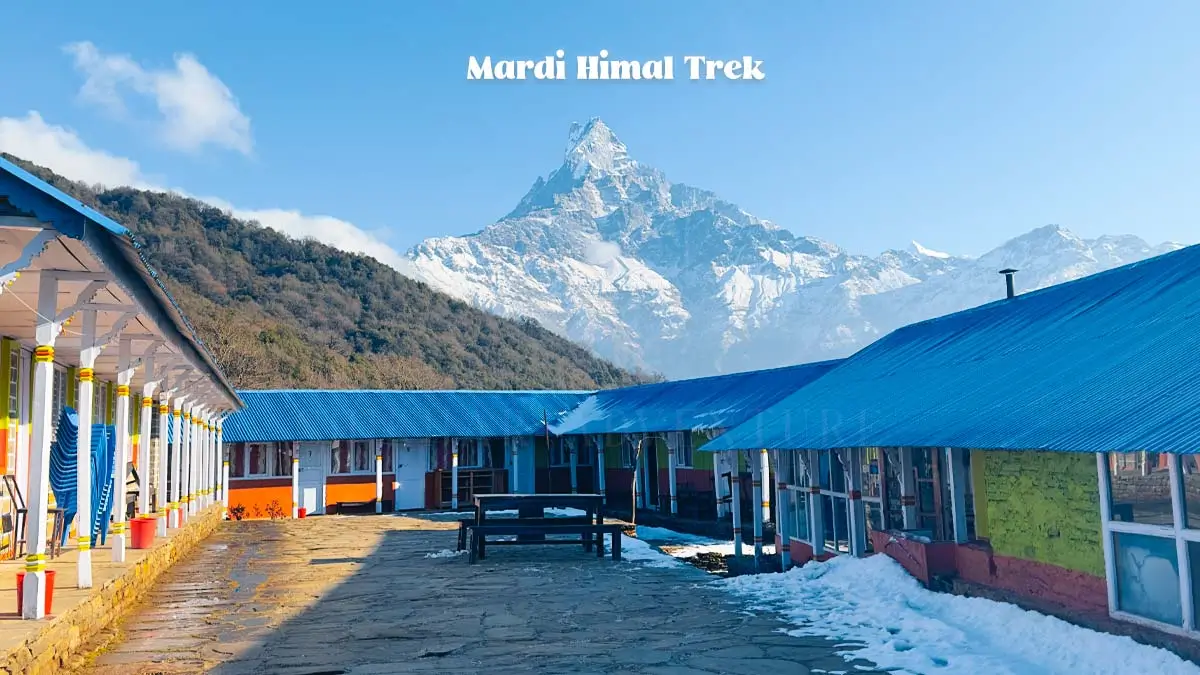
A Mardi Himal Trek is a shorter, less crowded alternative trek to Annapurna Base Camp and is ideal for those seeking a quiet trek with majestic views. For 2026, this region is quiet with moss forests, rice fields, and the ever-growing Machhapuchhre in the background.

This moderate-level trek is a great option for those with restricted time and is accessible from Pokhara.

The trek includes views of the sunrise, forests, and a base camp with a spectacular view of the mountains. It is a beginner-friendly trek but can be made special with proper planning for the high-altitude mornings.

Quick Facts

Duration 5–7 days
Difficulty Moderate
Max Altitude 4,500m (Mardi Himal Base Camp)
Best Season March–May, September–November

Highlights

  • Forest Camp: moss-covered forests, quiet teahouses
  • High Camp: ridge routes, views of Annapurna South
  • Mardi Himal Base Camp: Sunrise on Machhapuchhre

Teahouse Tips

  • Hotel Queen (High Camp): best for Sunrise view and Hot Meals.

Photography

Early morning at Mardi Base Camp for Machhapuchhre sunrise.

Best For: Short distance hikers, beginner trekkers, photographers, those looking for moderate activity with high returns.

Langtang Circuit Trek

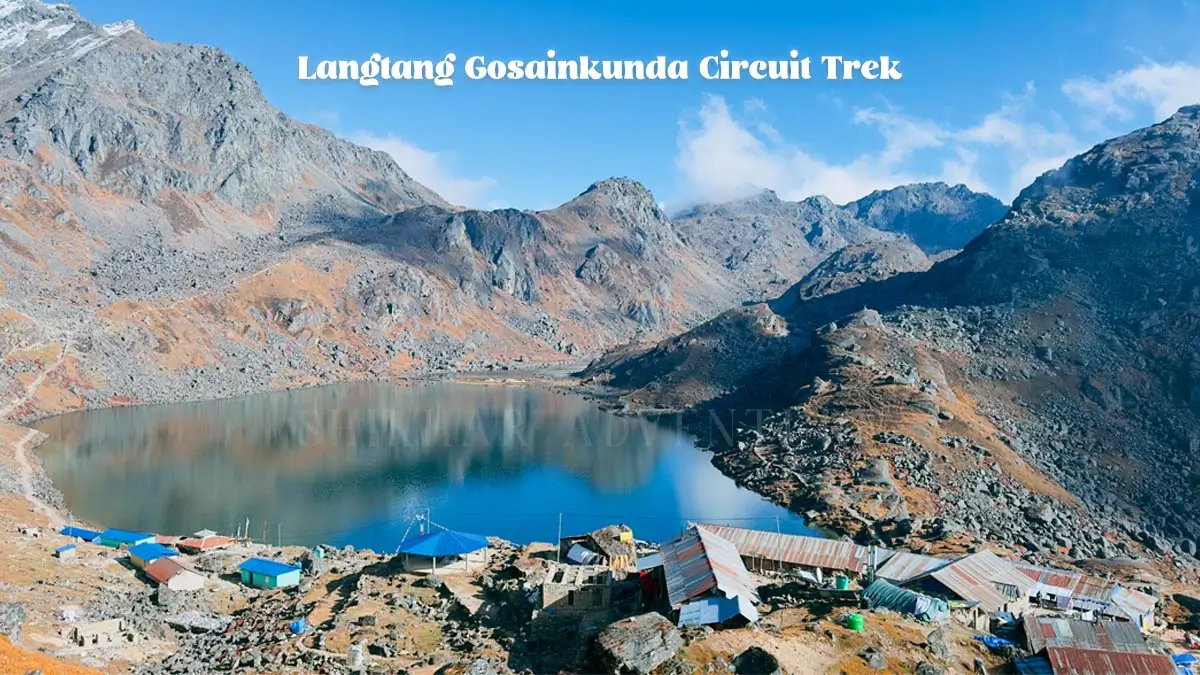
Gosainkunda Lake on Langtang Circuit Trek

For a Himalayan adventure away from the EBC trek routes, one would take the Langtang circuit trek. Ever since the 2015 earthquake, the region has seen a revival of its former glory with roads and trails rebuilt in a manner that is both aesthetically pleasing and ensures safety on the routes taken by adventure-seekers.

This trek combines moderate and relatively tough routes with majestic views of Langtang Lirung peaks. Cultural exposure includes the monasteries of the ethnic group, the Tamangs.

Quick Facts

Duration 7–10 days
Difficulty Moderate
Max Altitude 4,773m (Kyanjin Ri)
Best Season March–May, September–November

Highlights

  • Syabrubesi – Lama Hotel: quiet forest paths.
  • Kyanjin Gompa: cheese factory, small lakes
  • Kyanjan Ri: sunrise view with ridge access

Teahouse Notes

  • Kyanjin Lodge: Clean rooms and breakfast included.

Photography

Early morning Kyanjin Ri for soft light on Langtang Lirung.

Best For: Trekkers looking for a relatively short and scenic trek with moderate levels of difficulty, near Kathmandu

Pikey Peak Trek

Everest seen from Pikey Peak Trekking
Mt. Everest as seen from Pikey Peak Trekking

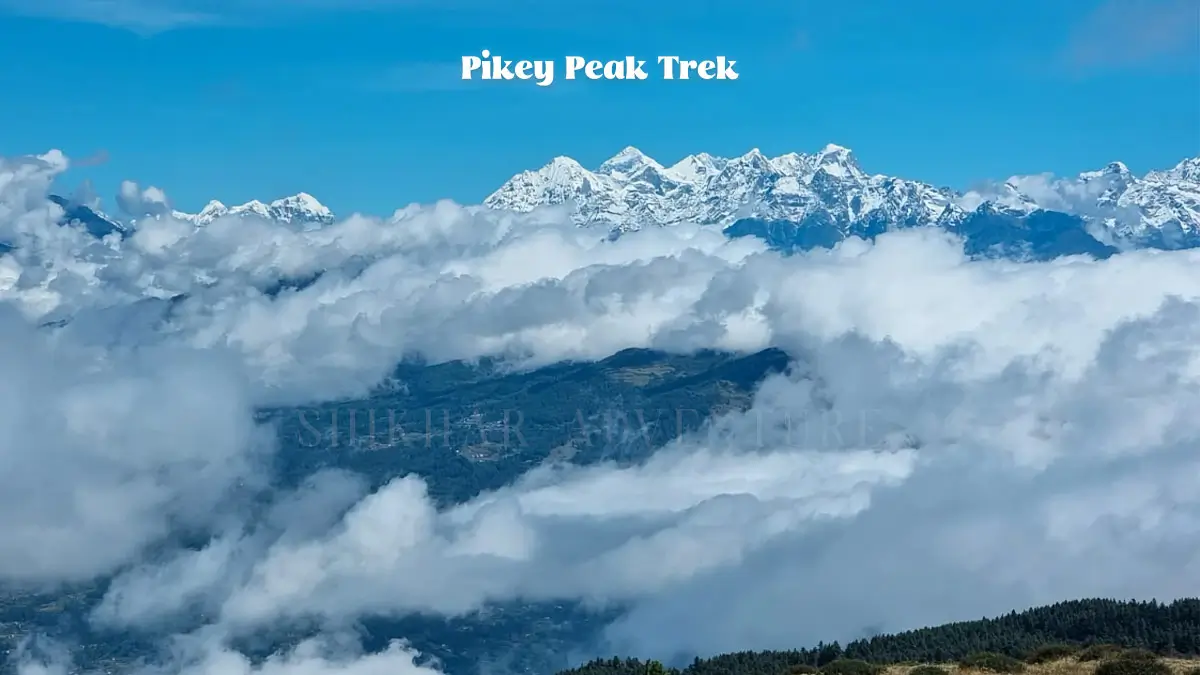
Pikey Peak provides excellent views of Everest without the EBC crowds. This non-crowded trek passes through Sherpa settlements, forests, and small ridges. For 2026, it is one of the most convenient trails with which one can capture views of the Himalayas and sunrises.

A great entry-level trek, Pikey Peak combines moderate trekking with exposure to regional culture. The locals extend a warm welcome to trekkers here, with teahouse facilities available en route.

Quick Facts

  • Duration: 4–6 days
  • Difficulty: Easy to Moderate
  • Max Altitude: 4,065m (Pikey Peak)
  • Best Season: March–May, September–November

Highlights

  • Dhap – Jhapre: Serene Sherpa settlements
  • Pikey Base Camp: Pine forests and Sunrise views.

Teahouse Notes

  • Pikey Peak Guesthouse: family-run, excellent food

Photography

Sunrise view of Everest, Lhotse, and Makalu from Pikey Peak.

Best For: Families, first-time trekkers, photographers, and weekend getaway travelers

Upper Dolpo Trek

Off the beaten Upper Dolpa Trekking

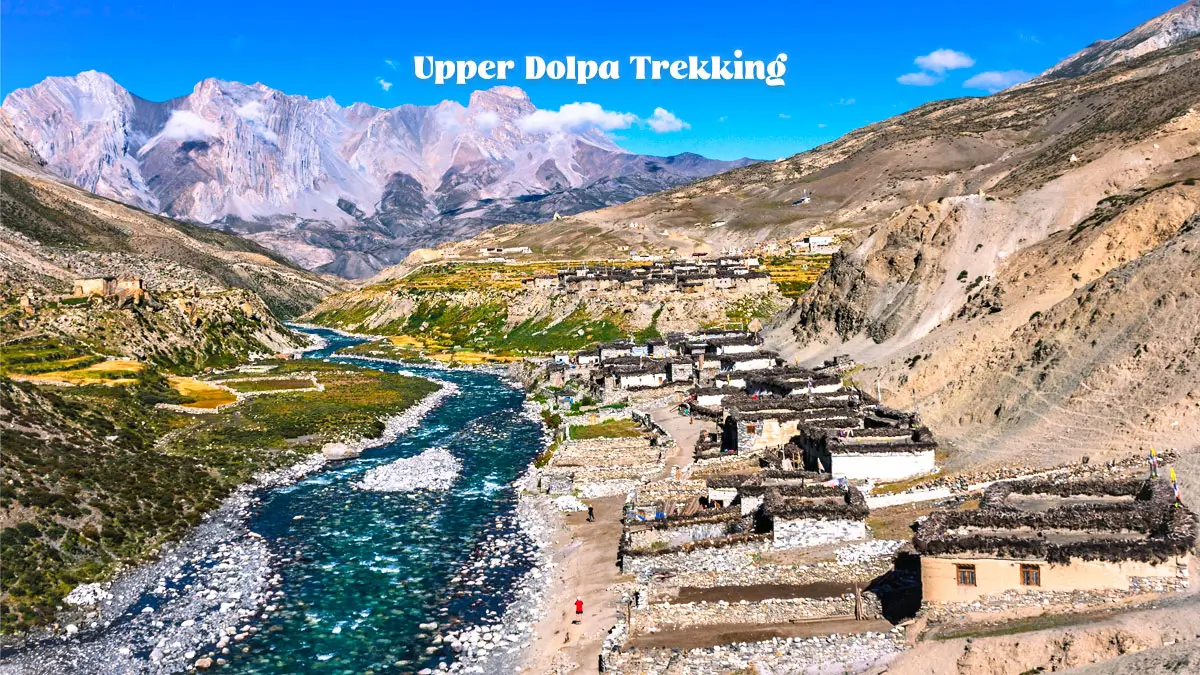
Nepal's most isolated and enigmatic trek is Upper Dolpo Trek, with rugged topography, historical monasteries, and a fabulous turquoise Phoksundo Lake for adventure-seekers who can travel really off the beaten path.

Permits in 2026 will continue to be restricted, maintaining its isolation in the region's most remote region!

This is a tough trek, which demands sound fitness levels, acclimatization, and advance preparations. Visitors get a peep into the lifestyle of the Tibetans of the Buddhist school in the settlements of Ringmo and Shey.

Quick Facts:

  • Duration: 18–22 days
  • Difficulty: Very Challenging
  • Max Altitude: 5,360m (Shey La Pass)
  • Best Season: May–September

Highlights:

  • Juphal – Dunai: scenic river valleys.
  • Shey Gompa: monastery from a distant past.
  • Phoksundo Lake: turquoise reflections, peaceful campsite.

Teahouse Notes

Services offered by homestay families in Ringmo include local food.

Cultural Notes:

Summer's Witness Cha Festival is a very unusual local one.

Best For: Experienced hikers looking for unspoiled nature, culture, and remoteness.

Gokyo Lakes Trek

Gokyo Lakes Trekking in Nepal

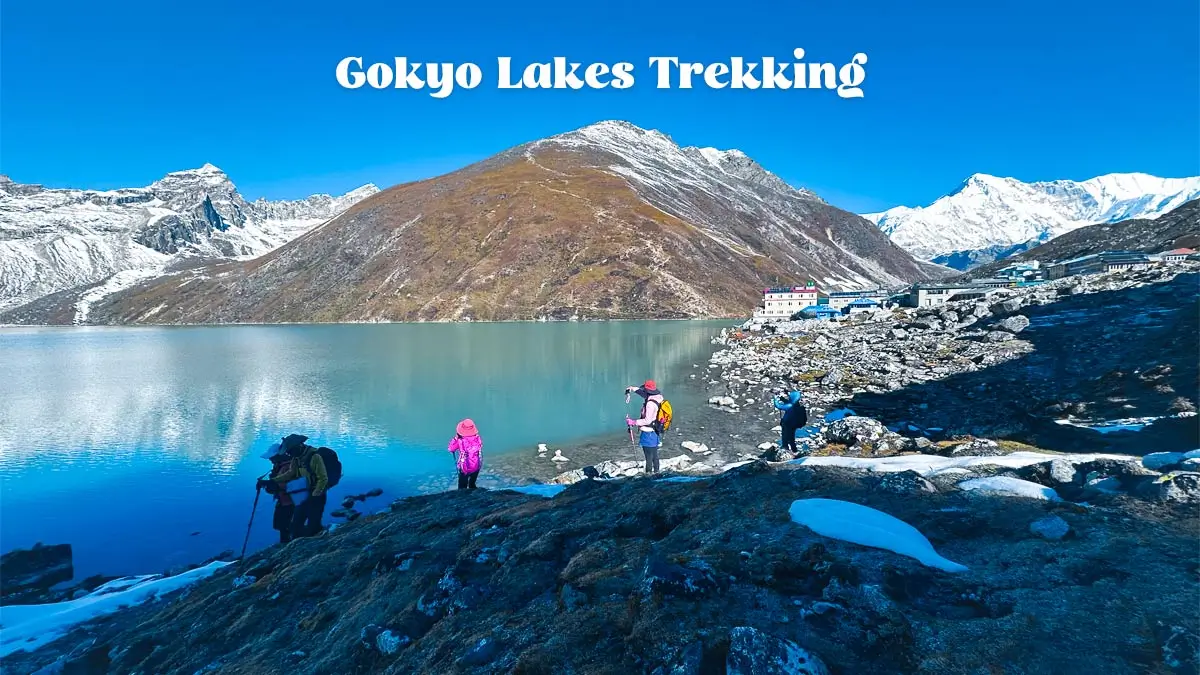
Gokyo Lake Trek is an equal alternative for Everest Base Camp views and is much less crowded. Gokyo Lake Trek goes past blue glacial lakes, meadows, and then onto Gokyo Ri with 360-degree views of Everest, Lhotse, and Cho Oyu.

By 2026, Gokyo will be providing seclusion because of effective management and fewer people a day. Teahouses around the glacial lakes would be warm, and the village will offer authentic experiences of the Himalayas.

Quick Facts

  • Duration: 10–12 days
  • Difficulty: Moderate to Challenging
  • Max Altitude: 5,357m (Gokyo Ri)
  • Best Season: March–May, September–November

Highlights

  • Dole – Machhermo: Less crowded ridge routes, fewer trekters.
  • Gokyo Village: Blue lakes, reflective surroundings.
  • Gokyo Ri: panoramic Everest sunrise views.

Teahouse Notes

  • Lakeside Lodge: Early breakfast for Sunrise Shoot.

Best For: Trekkers looking for views of Everest without the EBC crowds, photographers, and moderately experienced hikers.

Travel & Trekking Logistics (2026)

Organizing quiet hikes in Nepal entails an understanding of transport, trek routes, and accommodation facilities and support. With the construction works completed in 2026, new routes have become shorter, especially in remote areas.

Road Access & Approach

Usually, most off-the-beaten-path hikes involve 6-10 hour drives from the main cities.

Roads vary; new gravel roads cut travel times in both Manaslu and Nar Phu, but Upper Dolpo is reached by rugged jeeps.

Tip: Always check up-to-date travel reports locally before setting out.

Trekking Duration and Pace

The length of the treks vary from 4-day Pikey Peak to 22-day Upper Dolpo.

For remote routes, slower daily distances with a duration of 3-5 hours need to be followed in order to acclimatize and avoid AMS.

High passes require early departures for road crossings and favorable photographic lighting conditions.

Accommodation & Meals

Teahouses on quiet routes include simple facilities with private rooms with shared bathrooms and basic food options.

Hot showers will be available only up above 4,000 meters; a small towel must be carried. Biodegradable soap must be used

Tip: During peak season (Oct-Nov), it is advisable to book teahouse lodgings in Nar Phu, Manaslu, and Upper Dolpo

Guides & Porters

  • Guides: Mandatory in restricted areas (Nar Phu, Upper Dolpo, Manaslu). Cost in 2026 will be USD 25–35
  • Porters: Optional but recommended for heavy luggage. Costs USD 20–25/day.

Guides will manage permits, liaison, and route safety.

Day-Hike Pack List

  • Water and Hydration: Bring 2–3 liters; some remote sources may need filtration.
  • Navigation: Even with a guide, always be sure you have a map, GPS device, or offline map of the trail routes available
  • Medical: Small first aid kit and medications
  • High altitude medication for longer trekking routes

Cost Summary (2026)

Trek Total Cost (USD)
Nar Phu Valley 1,400–1,700
Manaslu Circuit 1,500–1,900
Tsum Valley 1,200–1,400
Mardi Himal 600–800
Langtang Circuit 700–900
Pikey Peak 500–700
Upper Dolpo 3,500–4,500
Gokyo Lakes 1,200–1,500

Practical Planning Tips

  • Check road and weather conditions before engaging in remote treks.
  • Book guides and permit travel into restricted areas early.
  • Plan your daily hiking times realistically, according to the altitude and difficulty of the routes you will be taking
  • Pack light but full, especially when crossing high passes and remote areas.

Safety & Preparation for Less Crowded Treks in Nepal

The peaceful routes available in the Himalayas promise a trek like nowhere else in the world because the solitude offered is unrivaled. However, safety and preparations must be given top priority because such routes would lack adequate medical facilities and would be comparatively less crowded. Precautions taken in 2026 will ensure your trek is worry-free and enjoyable.

Altitude & Acclimatization

Mountain passes and remote valleys require care in relation to heights.

  • Nar Phu & Manaslu: Highest points approximately 5,200 m; acclimatization days are important
  • Upper Dolpo Region: Shey La Pass, with an elevation of 5,000+ m, requires slow ascent

Best Practice: Maintain a pace of 1,000 m/day above 3,000 m; plan rest days on key villages, such as Samagaun and Phu.

AMS Awareness: Know the symptoms—headache, nausea, fatigue—and descend if severe.

Tip: Even seasoned hikers can use stair climbing or simulated high-altitude training prior to acclimatization.

Common Issues on Quiet Trails

Remote trekking can be fraught with special dangers because

  • Isolation: With fewer people on the trek, assistance can be distant; always let your guide know your pace.
  • Weather Volatility: Snow, rain, and wind may alter trail conditions rapidly. Monitor daily weather predictions.
  • Trail Conditions: Nar Phu, Upper Dolpo, and Manaslu treks involve some rather steep parts with restricted trails. Trekking poles will be an asset here.

Emergency Planning

Preparation is key to safety:

  • Keep contact numbers of local police, trekking agencies, and lodges with you.
  • Evacuation Alternatives: Helicopter evacuations available in most areas, although may take some hours.
  • Always have travel insurance that includes high-altitude trekking and helicopter evacuations services.

Pro Tip: Guides have radios with which they communicate with the local authorities in situations involving medical emergencies.

Fitness & Training (2026)

Even a moderate trek requires 6–8 weeks of preparation prior to the trek:

Training Type Recommendation
Cardio Hiking, running, biking 3-4 times
Strength Exercises Legs, core, and back exercises will be emphasized for uphill hiking and pack carrying because these areas of the body will be
Endurance Hikes Simulate hiking with heavy packs over uneven ground.
Mental Prep Backcountry hikes demand endurance and toughness; train for totally quiet periods.

Quick Insight: Trekking with lighter packs of weight less than 12 kg helps increase endurance levels and avoid injuries.

Gear essentials for Safety

  • Layered Clothing: Base layers, insulation, waterproof shell
  • Footwear: Broken-in trekking boots with ankle support
  • Safety Tools: Headlamp, first aid kit, emergency whistle
  • Navigation: GPS device or offline maps
  • Hydration: Water bottles + purification tablets

Tip: From 2026 onwards, you can source 'packable' and 'lightweight' tech gear easily in Pokhara/Kathmandu.

Mindful Trekking

Less crowded trails involve both mental and physical preparations.

  • Respect the local culture and environment.
  • Keep a comfortable pace so you can appreciate views and picture-taking chances.
  • Recognize the limitations of the internet and connectivity; use this time for reflection and immersion.

Voice, Tone & Expert Experience

Nepal's less crowded trek routes are much more than routes—and much more than trekking itself. For those who travel with us, our advice is drawn from a wealth of Himalayan knowhow and a lifetime of expertise built on the success of numerous treks.

Campfire Wisdom & Local Insights

Off-the-beaten-path trekking is similar to a story told by mountains, rivers, and villages. For instance:

In October 2025, I led a couple on a journey to Nar Phu. The morning fog cleared in Phu village, showing the peaks of Kang La Pass. They were astonished by the quietness because there were no other trekkers, only the wind bringing down the windshields.

Small homestays in Upper Dolpo offer buckwheat porridge and yak tea, with locals talking about 'holy' monasteries that few outsiders can access.

Such experiences will never be discovered in an internet guide—that is what takes local knowledge, local contact, and a knowing eye.

Hyper-Local Tips for 2026

  • Nar Phu & Manaslu: Clouds develop rapidly in the afternoon—to get a good view, begin pass crossing early.
  • Tsum Valley: It is best to photograph Mu Gompa at sunrise because the reflection of the monastery in the ponds in the area is simply amazing. The region
  • Mardi Himal: Base camp sunrise views of Machhapuchrereare perfect; Teahouse breakfast at high camp is ideal prior to ascents.

Pro Tip: Small changes in your route and timing can make huge differences in your crowd-free adventures and photography shots.

Tone & Style for Your Trek

  • Authoritative but friendly: The advice offered in these books is drawn from actual experiences in the Himalayas, rather
  • Realistic about difficulty: No illusions here; just straightforward answers about elevation and exercise requirements.
  • Practical and Inspiring: Learning How to Contour, Hike, and Explore the Backwoods
  • Encouraging and practical: We show you how to Contour,

Why Insider Knowledge Matters Hidden Routes?

Taking local paths instead of passing through populated areas can save you a tremendous amount of time and help you avoid areas where Teahouse Trek Recommendations: It is always helpful to know which lodge offers warm hospitality, hot food, or the best views. Cultural Access

Understanding access includes awareness about cultural festivals, prayer rituals, and access behaviors.

Example: There were possibilities for viewing real Tibetan culture in the butter lamp worship stops in the small mani wall in Manaslu that are not available on busier routes.

Frequently Asked Questions (FAQs)

1. Is Nar Phu Valley a solo traveler-friendly destination in 2026?

Yes, Nar Phu Valley is a good trek for solitary hikers if you can hire a guide, follow established routes, and have the required trekking permits. There is newer information available on road connectivity and teahouse facilities in 2026, making it easier to trek the Nar Phu Valley.

Need assistance with your solitary trek? Visit Nar Phu Valley Packages for tips.

2. What is the cost of the Tsum Valley trek including guide and permit?

A standard cost for a 2026 Tsum Valley trek will be around 1,200-1,400 USD, including guide charge, porters' charge, accommodation, meal costs, and MCAP/RAP/TIMS permit cost. However, costs marginally differ according to the group and travel type. Please refer to our Tsum Valley trekking itinerary for details.

3. What is the level of fitness required for Upper Dolpa?

Upper Dolpo is an arduous trek which is best for adventure-seekers with strong physical endurance. A 6–8 weeks fitness regimen is recommended prior to engaging in this trek, which includes cardio exercises, strength exercises, and endurance walks.

4. When is the best time for quiet treks in Nepal in 2026?

The best periods are March to May (spring flowers) and September to November (clear weather, monsoon-free). There can be some valley trekking during the off-season, but snow can block passes. For specific 2026 information, see the Trekking Seasons page.

5. How do off-the-beaten-path hikes differ from those in Everest Base Camp?

Less crowded routes such as Gokyo Lakes, Nar Phu, and Upper Dolpo will satisfy your need for solitude and cultural exposure, unlike the ever-popular EBC route. Moreover, these routes will enable you to take better pictures and hike mindfully. Visit our alternative treks to Everest Base Camp page for further information.

6. Which cultural etiquettes must one know when trekking in Manaslu?

Treat monasteries with respect, keep your shoes off indoors, be modestly dressed, and join the ritualistic prayer sessions or festive events with decorum. Refrain from operating prayer wheels unless you are with a guide, and never take pictures of locals without permission. A detailed cultural guide for conducting yourself on the Manaslu circuit trek is included with your guide for 2026.

7. Are trek guides required for restricted trek routes in 2026?

Yes, it is a fact that a licensed guide is required for restricted areas such as Manaslu, Upper Dolpo, Nar Phu Valley, and Tsum Valley.

To hire a licensed guide for your 2026 trek, contact us:

8. Can these relatively less crowded routes be completed within a short period?

There are some trekking routes such as Pikeys Trek, Mardi Himal Trek that can be completed in 4–7 days only, whereas other routes such as Upper Dolpo Trek and Manaslu trek must be completed in 2–3 weeks. For specific itineraries of short trek options available in 2026, click here.

Conclusion – Embark on Your Quiet Himalayan Adventure

Less crowded routes in Nepal have much more to offer than meets the eye. Because you'll be treated to awe-inspiring scenery, you will actually be able to experience isolation, immerse yourself in local culture, and create a lifetime of memories. Find these in the Nar Phu Valley and Gokyo Lake routes.

By taking these routes, you can have a calm morning, experience life in a Nepal village, and take amazing shots without any hassle. With new 2026 permits, logistics, and guides, every trek is deemed safe, feasible, and satisfying.

Ready to discover Nepal's best-kept secrets in 2026? Our departures get booked quickly – so book your adventure today. Confused about what trek options will serve you best? Speak with one of our experts and let's create a custom journey for you!


Need Help? Call Us+977 9841869254orChat with us on WhatsApp

Offer Packages

Nar Phu Valley Trekking

Nar Phu Valley Trek

Starting from
US$1095US$1295
Explore
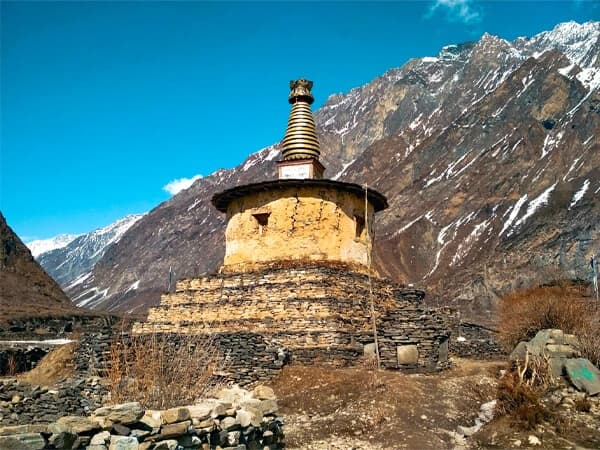
Chorten on the way to Tsum Valley

Tsum Valley Trek

Starting from
US$1199US$1399
Explore
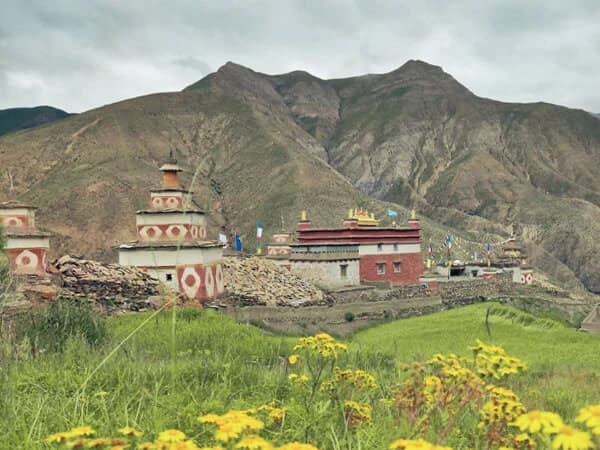
Upper Dolpo Region - Chortens

Upper Dolpo Trek

Starting from
US$4250
Explore