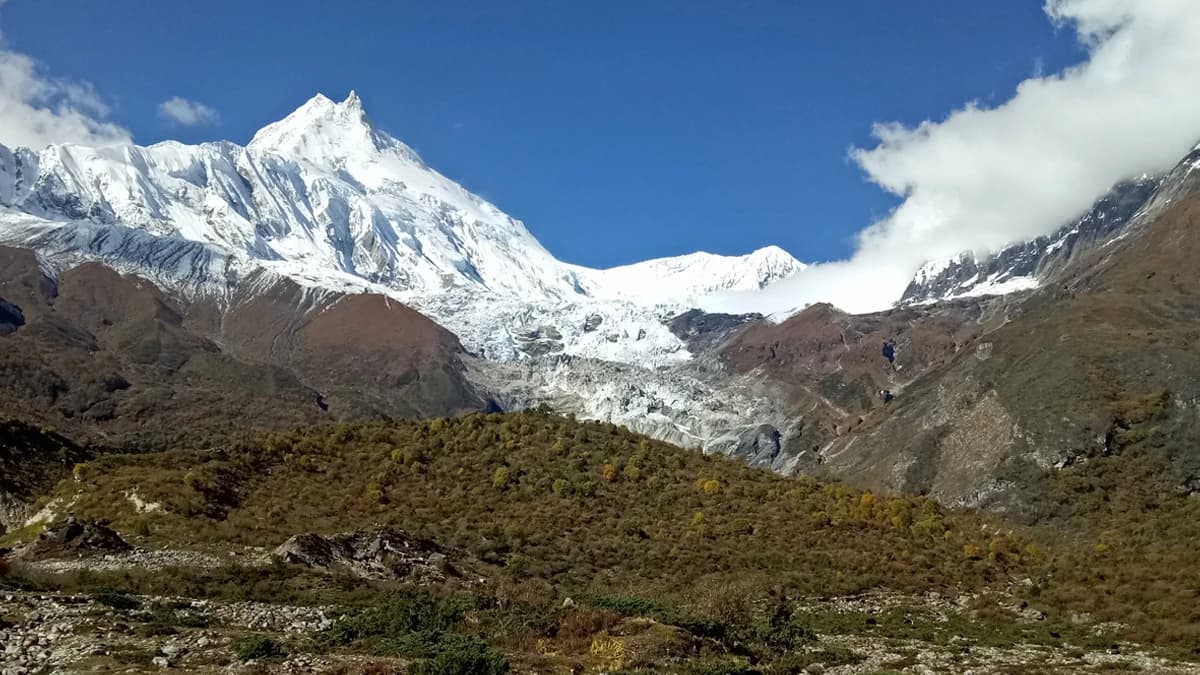
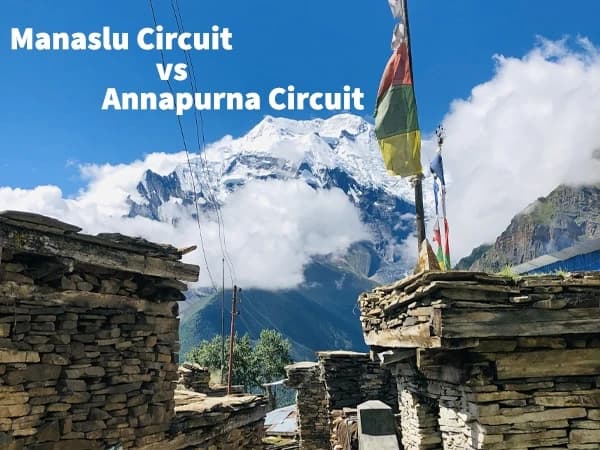
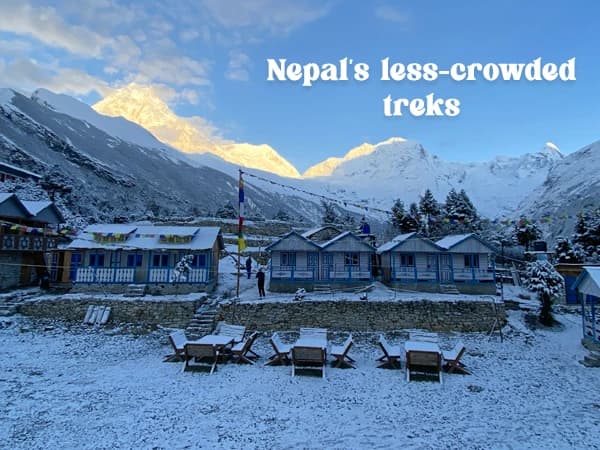
Manaslu Conservation Area (MCA), established in 1998, became Nepal's second conservation area and stands as one of the country's most important protected places for both ecology and culture. It sits in Gorkha district along the border with Tibet, rich in culture and tradition, home to the Gurung, Nubri, Tsumba, and Tamang communities.
What Is Manaslu Conservation Area?
Manaslu Conservation Area is a 1,663 sq. km. (642 sq. mi.) protected region in Nepal's Gorkha district. It was established in 1998 to safeguard Himalayan wildlife and Tibetan Buddhist culture. The area covers three trekking routes, the Manaslu Circuit, Tsum Valley, and the two combined, and all three require a restricted-area permit plus a licensed guide, since solo trekking isn't allowed here.
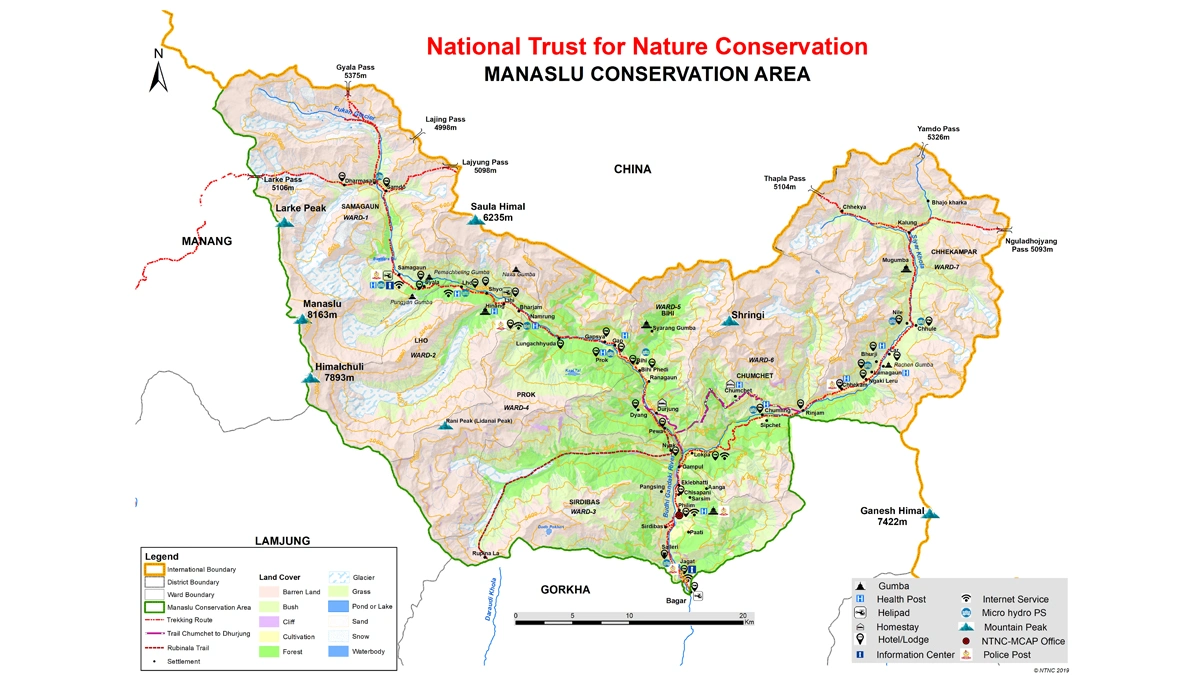
The Manaslu Conservation Area stretches from the snow-capped summits of the Himalayas to the subtropical Budhi Gandaki River valley. MCA encompasses an area of 1,663 sq. km. (642 sq. mi.) covering Tsumnubri Rural Municapality's seven wards, i.e., Sirdibas, Chumchet, Chhekampar, Bihi, Prok, Lho and Samagaun.
The area was established to protect the region's unique biodiversity, cultural heritage and fragile mountain ecosystem while promoting sustainable tourism. It runs under the management of Nature Trust for Nature Conservation.
Manaslu Conservation Area is also recognized for its community base conservation model, where local peoples actively participate in protecting forests, wildlife, and cultural heritage while benefiting from sustainable tourism.
Map of the Manaslu Conservation Area Project (MCAP)
Manaslu Conservation Area is home to over 33 species of mammals, 110 species of birds, 2,000 flowering plant species, and countless butterflies and reptiles. The Snow Leopard, Red Panda, Musk Deer, and Blue Sheep rank among the most iconic wildlife here.
To feel the true beauty of Manaslu Conservation Area, trekkers have three major options:
Manaslu Circuit Trek
Manaslu Circuit with Tsum Valley Trek
Tsum Valley Trek
Manaslu Circuit Trek
Manaslu Circuit Trek is the most classic route through Manaslu Conservation Area. It takes 14 to 18 days. Trekkers know it for dramatic scenery, rich biodiversity, and living Tibetan Buddhist culture.
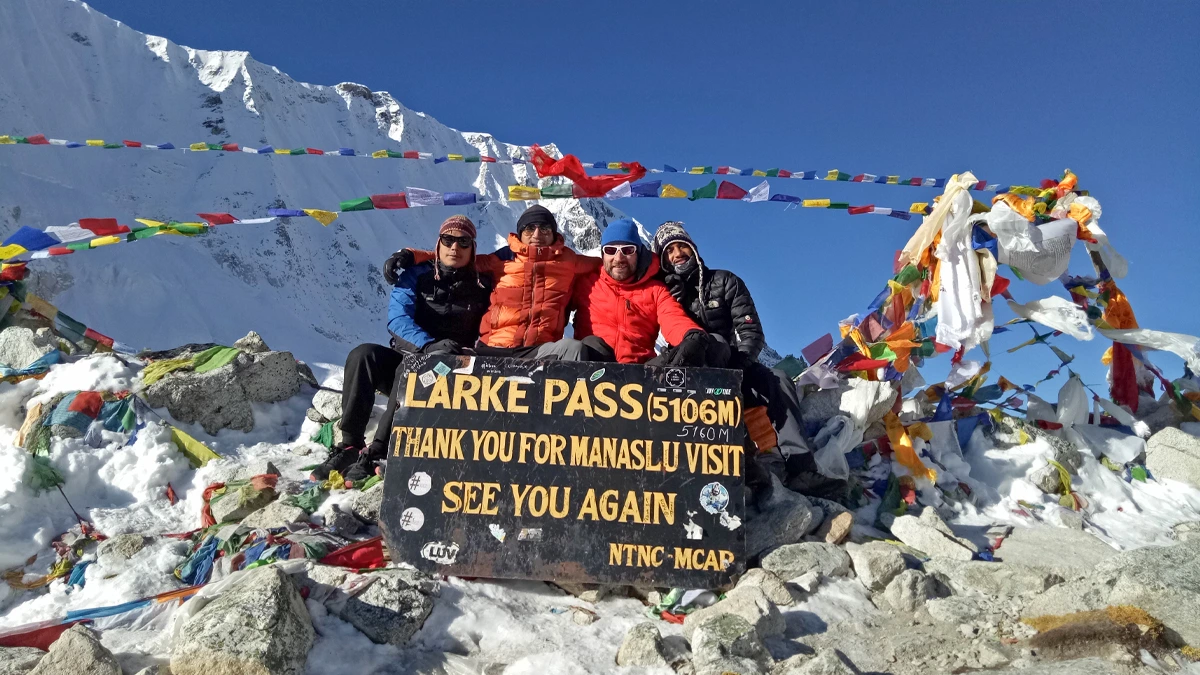
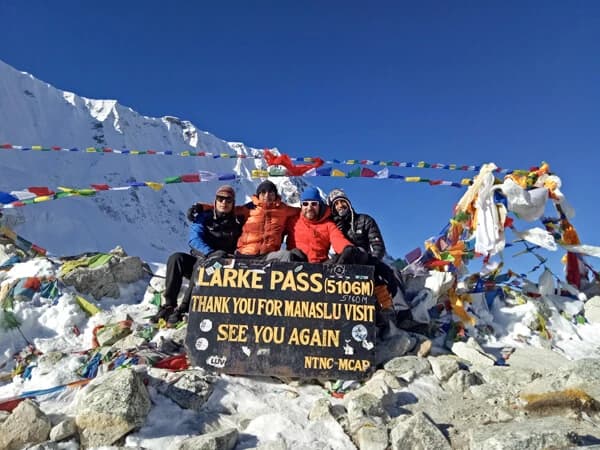
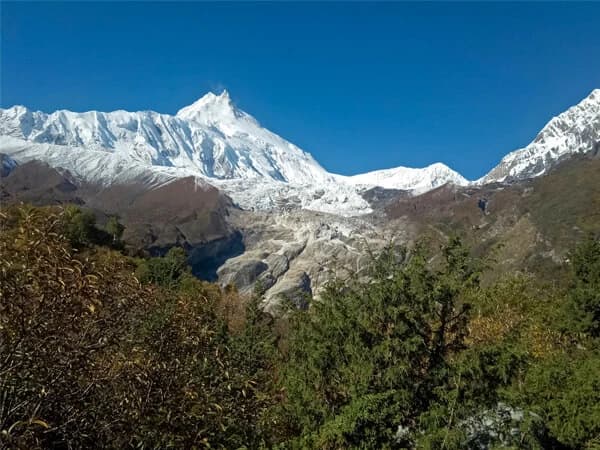
You will walk past stunning views of Mount Manaslu, through lush forests, traditional villages, glacier landscapes, and alpine meadows. The trail ends with a crossing of the spectacular Larkya La Pass, which sits at 5,106 meters (16,752 feet) above sea level.
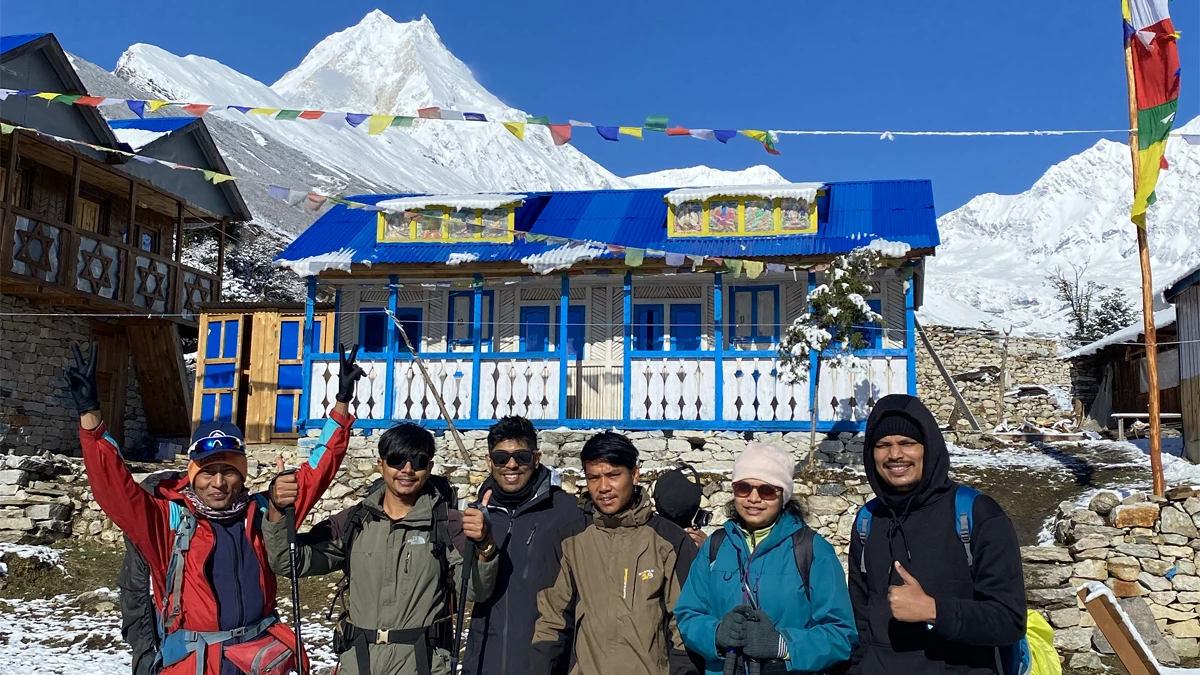
Trekking the Manaslu Circuit route
Manaslu Circuit with Tsum Valley Trek
This combined Manaslu Tsum Valley route takes 20 to 24 days. It opened to foreign trekkers in 2008. Locals call Tsum Valley the "Hidden Valley of Happiness" for its peaceful mountain landscapes and Tibetan Buddhist traditions.
This combined route takes you into one of Nepal's most secluded Himalayan valleys, and it leans harder into local communities, culture and monastery visits than the standard Manaslu Circuit does.
Along the way, you will pass high mountain crossings and remote Tsum Valley villages. You will visit ancient monasteries and Birendra Lake. The landscape shifts from subtropical forest to alpine terrain, and you will experience rich Himalayan wildlife and biodiversity throughout.
Larkya La Pass at 5,106 meters (16,752 feet)
Tsum Valley Trek
Tsum Valley Trek has been open to hikers for less than 20 years. That makes it less crowded and less known than traditional treks elsewhere in Nepal. It takes 12 to 14 days.
Along the way, gompas and monasteries introduce you to Tibetan culture and daily life. The trail runs through some of the most stunning scenery near the Tibet-Nepal border. Most of the route sits above 3,000 meters (9,842 feet), which is normal for a trail this far north.
Trekking through Tsum Valley, you will be drawn in by the traditional Tsumba culture. You will also see ancient monasteries, Himalayan yak pastures, and views of Ganesh Himal. The trail passes sacred Buddhist pilgrimage sites, running through peaceful, uncrowded ground past Mu Gompa, at 3,700 meters (12,139 feet), and Rachen Gompa.
Permits Required
Each trekking route ranges from classic circuits to more remote, cultural, and adventurous trails. Every route requires a permit. Depending on your itinerary, you will need:
Manaslu Restricted Area Permit (RAP)
Manaslu Conservation Area Permit (MCAP)
Chumnubri Rural Municipality Permit
Annapurna Conservation Area Permit (ACAP), if your trek finishes through the Annapurna region
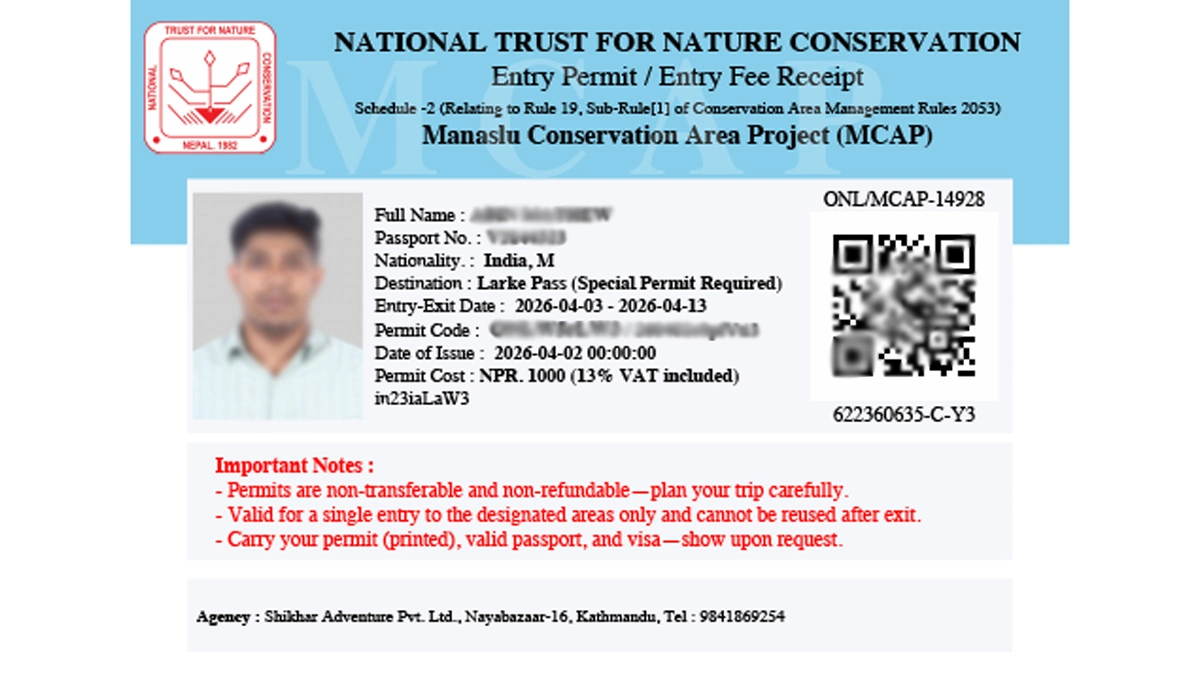
Manaslu Conservation Area entry permit (MCAP)
Permits Cost Details
Manaslu & Tsum Valley Trek Permits (2026)
Permit
Who Needs It
Season
Cost (per person)
Notes
Manaslu Restricted Area Permit (RAP)
All Manaslu Circuit trekkers
Sep–Nov (peak)
USD 100 for first 7 days, + USD 15/day after
Issued only through a registered trekking agency. A licensed guide is mandatory. Solo trekkers can now apply alone since March 2026, but still must trek with a guide.
Dec–Aug (off-peak)
USD 75 for first 7 days, + USD 10/day after
Tsum Valley Restricted Area Permit
Only if adding Tsum Valley
Sep–Nov (peak)
USD 40 for first 7–8 days, + USD 7/day after
Separate permit from Manaslu RAP. Days counted from entry at Sirdibas, not trek start. Held simultaneously with Manaslu RAP if combining both treks.
Fixed fee, no seasonal variation. Funds trail maintenance and conservation.
Annapurna Conservation Area Permit (ACAP)
Only if exiting via Dharapani/Besisahar
Year-round
NPR 3,000 (foreign) / NPR 1,000 (SAARC)
Needed since the circuit crosses into Annapurna Conservation Area after Larkya La.
Chumnubri Rural Municipality Permit
All Manaslu-region trekkers
Year-round
NPR 1,000 (foreign)
Local development fee, collected at Jagat.
Children under 10: Free.
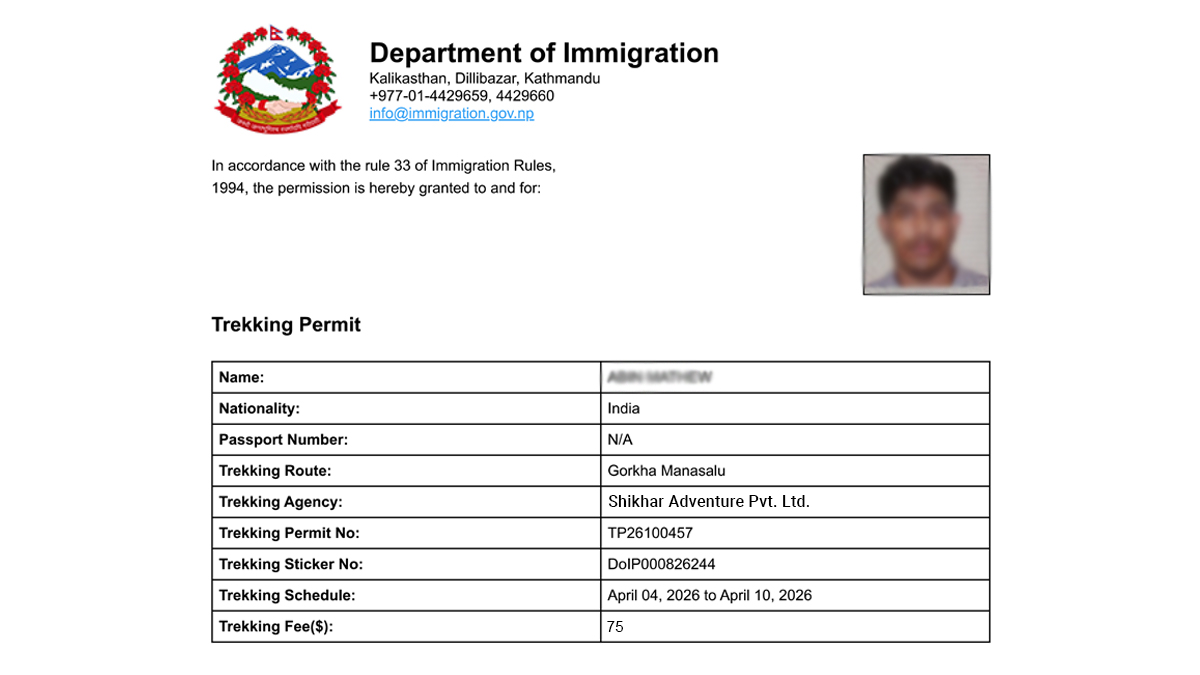
Manaslu Restricted Area special permit
Frequently Asked Questions
Can you trek solo?
No. Solo trekking is not permitted in the Manaslu region. You must be accompanied by a licensed guide and obtain your permit through a registered trekking agency.
What is the best time to trek?
Spring (March to May) and autumn (September to November) are your best bets for clear skies and manageable temperatures.
How difficult is the Manaslu Circuit Trek?
It's moderately difficult and can catch beginners off guard. The highest point, at roughly 5,106 meters (16,752 feet), puts altitude sickness firmly on the table, so build in proper acclimatization days and give your body time to catch up.
Do I need a guide for Tsum Valley?
Yes. A licensed guide is required, the same as anywhere else in the Manaslu region, since it is a restricted area.
How high is Larkya La Pass?
Larkya La Pass sits at 5,106 meters (16,752 feet) above sea level, the highest point on the Manaslu Circuit Trek.
Unlike Everest or Annapurna, the Manaslu region stays relatively remote. Strict trekking regulations and permit access keep the area free of crowds. That makes it easy to enjoy a mix of adventure, culture, biodiversity, and natural beauty.
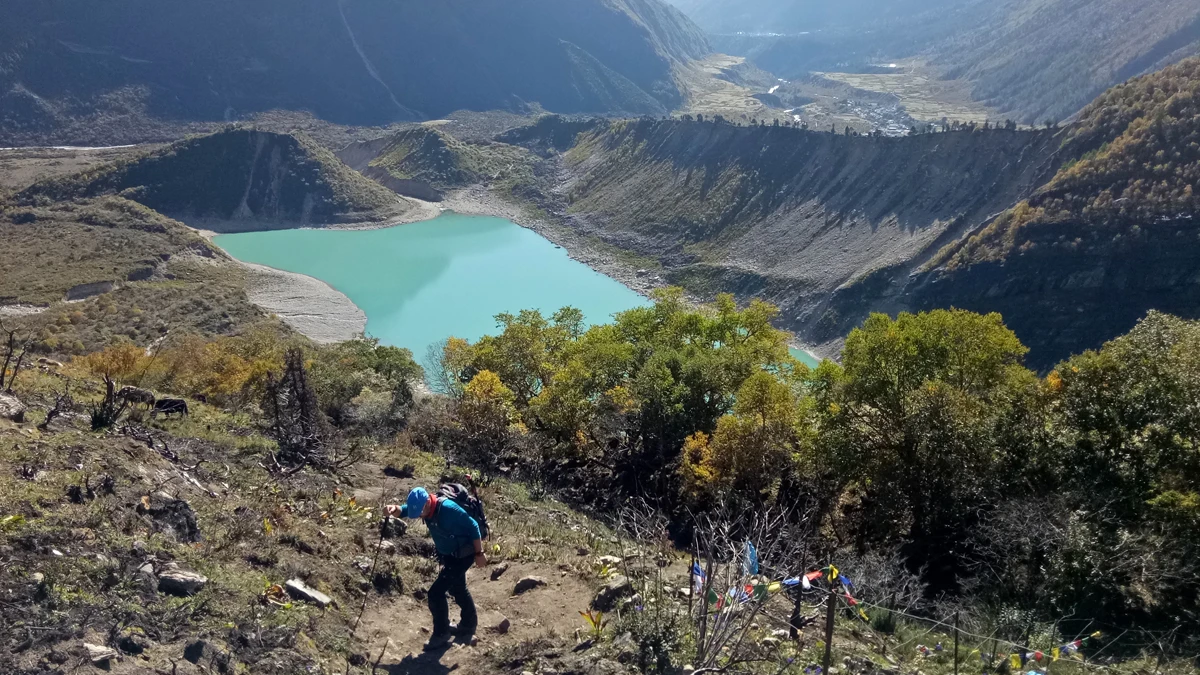
Birendra Lake, a glacial lake near Samagaon
Comparison of Trekking Routes
Comparison of trekking routes
Route
Duration
Highest Point
Difficulty
Permits Required
Best For
Manaslu Circuit Trek
14 to 18 days
Larkya La Pass, 5,106 m (16,752 ft)
Moderate to challenging
RAP, MCAP, ACAP (if exiting via Annapurna)
Trekkers who want the classic Manaslu experience with dramatic mountain scenery
Manaslu Circuit with Tsum Valley Trek
20 to 24 days
Larkya La Pass, 5,106 m (16,752 ft)
Challenging (longer duration)
RAP, MCAP, ACAP (if exiting via Annapurna)
Trekkers who want deeper cultural and monastery exposure alongside the circuit
Tsum Valley Trek
12 to 14 days
Mu Gompa area, 3,700 m (12,139 ft)
Moderate
RAP, MCAP
Trekkers who want a quieter, culture-focused trek without a high pass crossing
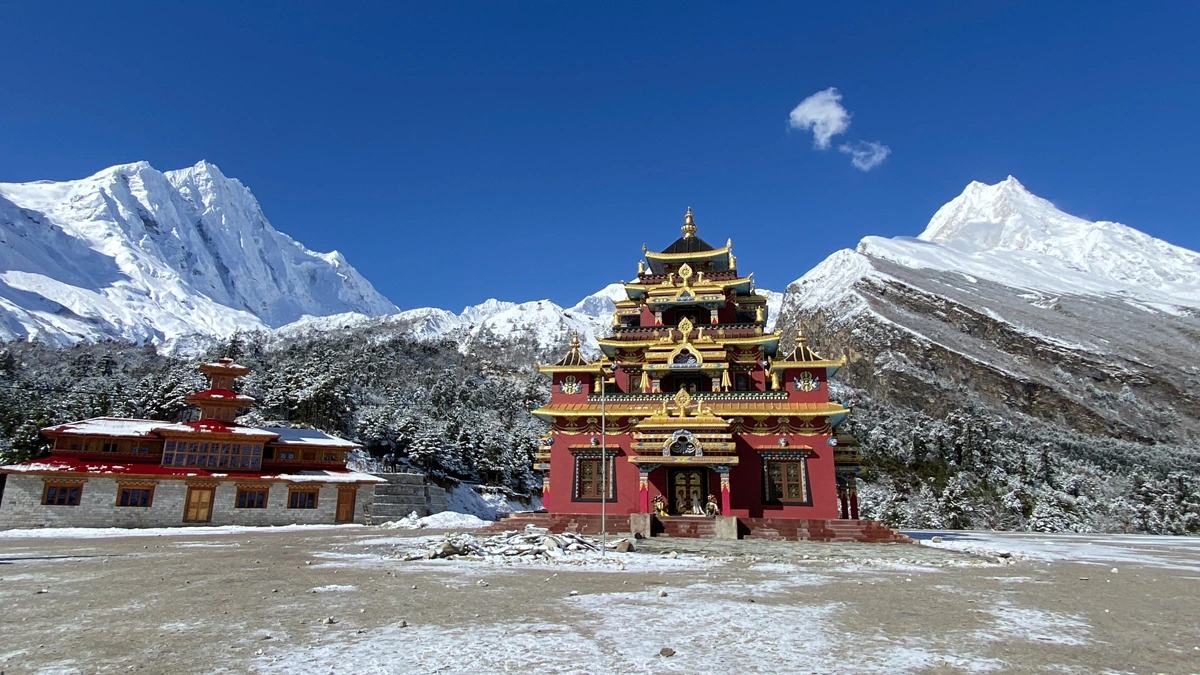
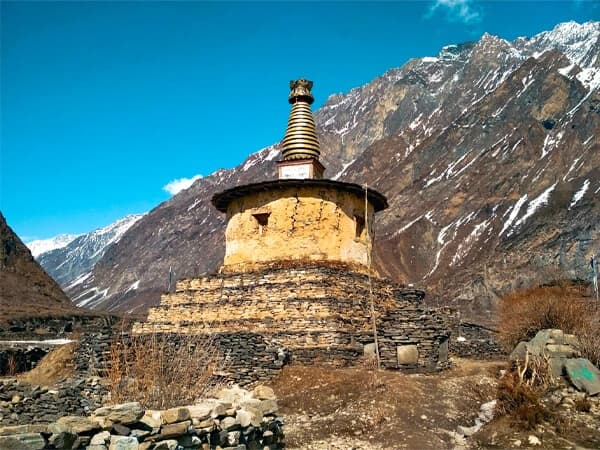
Shyala Monastery on the Manaslu Circuit
Conclusion
Manaslu Conservation Area is an important part of Nepal's Himalayan legacy. It shows how geographic and climatic diversity can coexist with a rich habitat for wildlife.
The park holds everything from fish and other wildlife in its rivers and lakes to dense alpine forest, with Mount Manaslu's sparkling peak and rows of prayer flags at its heart.
The Himalayan Tahr, Red Panda and Snow Leopard, rare almost everywhere else, still turn up here. Hard to sit still when an old caravan route between Tibet and Nepal is right there waiting.
Along the way you'll pass through lively towns, wander past historic temples, and get a real look at how Gurung and Tamang communities carry their Tibetan traditions forward. Nobody's racing to the finish line on this trek, the point is the walk itself, taken at a steady, comfortable pace.