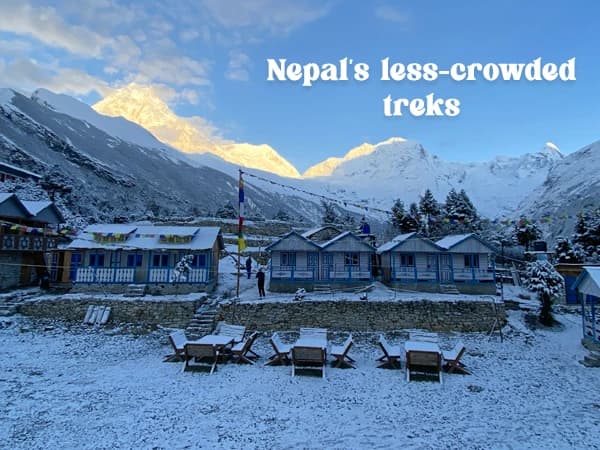
If you've ever wanted to trek to Kanchenjunga Base Camp alone, cross the high plateau of Upper Mustang without waiting to join a group, or walk into the wild solitude of Dolpo on your own terms, Nepal just opened that door for you.
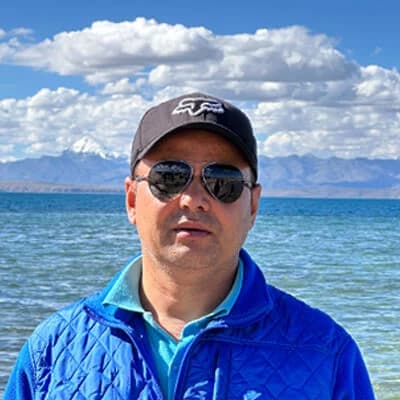
I've been guiding treks across Nepal for over two decades. In that time, I've watched countless solo travelers, experienced, well-prepared, deeply motivated people, get turned away from restricted zones simply because they couldn't find a group to join in time. It was a policy that frustrated trekkers and quietly damaged Nepal's reputation as a solo-friendly destination. This change has been a long time coming.
"Last November, I guided a solo traveler from Germany named Stefan through the Kanchenjunga Circuit. He'd spent three weeks trying to find companions just to meet the group permit requirement, eventually giving up and adjusting his route entirely. He was physically prepared, culturally respectful, and exactly the kind of trekker Nepal's restricted areas are designed for. The old rule wasn't protecting anyone from Stefan. It was simply blocking him."
That story is not unusual. I've heard versions of it from Australian, Japanese, American, and British trekkers every single season. This post breaks down exactly what changed, who it affects, and how to plan your restricted area trek under the new 2026 rules.
What Are Nepal's Restricted Areas, and Why Did They Require Groups?
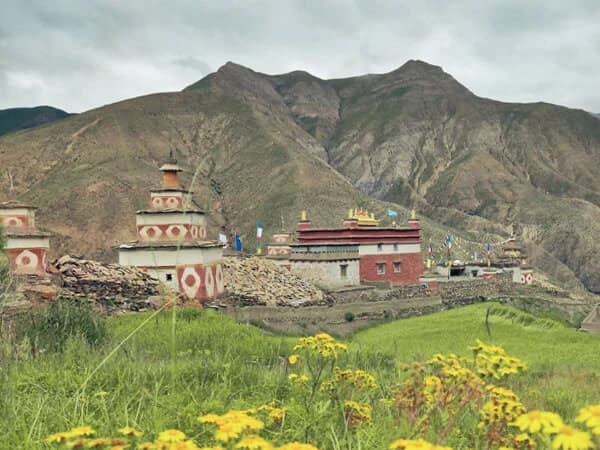
Nepal's restricted areas span 13 districts and include some of the most extraordinary trekking destinations on earth. Regions like Upper Mustang, Upper Dolpo, Manaslu Circuit, Kanchenjunga, Tsum Valley, Nar Phu Valley, Limi Valley, and Humla fall under this designation.
These zones sit along sensitive international borders, primarily with Tibet and India, and contain fragile ecosystems, rare wildlife, and indigenous communities whose way of life has changed little over centuries. The Nepali government protects them through special trekking permits with higher fees, stricter access rules, and, until now, a mandatory group requirement.
The group rule existed partly for safety. Restricted areas are genuinely remote. Rescue operations are complex and expensive. The logic was that a group is easier to monitor and support in an emergency. In practice, however, the rule created an unintended barrier: capable, independent solo trekkers were locked out. After sustained pressure from the Trekking Agencies' Association of Nepal (TAAN) and other tourism stakeholders, the Department of Immigration acted.
Exactly What Changed on March 22, 2026
The Department of Immigration issued a public notice covering four distinct reforms. Each one matters for how you plan and apply.
1. Solo permits now allowed
Individual foreign trekkers can obtain restricted area permits without being part of a formal group. The group requirement is removed entirely.
2. Licensed guide mandatory for all trekkers
All trekkers, solo or group, must be accompanied by a licensed guide arranged through a registered agency. The agency bears full emergency rescue responsibility.
3. Apply before arriving in Nepal
Permits can now be applied for using your visa submission ID from home, before you land. Advance planning is no longer blocked by visa timing.
4. Maximum 7 trekkers per guide
A new safety regulation caps group size at seven trekkers per licensed guide, ensuring proper oversight in remote terrain.
Dedicated helpline for permit applications
The Department of Immigration has set up a dedicated contact number for trekkers experiencing technical difficulties with the new online system: +977-9761423636. Apply at least 4–6 weeks before your trek start date — the system is new and high-demand periods may create delays.
Nepal's Top Restricted Area Treks: A Full Comparison
With solo access now officially available, here is a complete overview of the most compelling restricted zone treks — including permit costs, difficulty, duration, and best seasons.
| Trek |
Permit Cost |
Duration |
Difficulty |
Best Season |
Max Elevation |
| Kanchenjunga Base Camp |
USD $10/week |
18–24 days |
Strenuous |
Apr–May, Oct–Nov |
5,143 m |
| Upper Mustang |
USD $50 per day |
10–14 days |
Moderate |
May–Oct |
4,010 m |
| Upper Dolpo |
USD $500/week |
21–28 days |
Strenuous |
Sep–Oct |
5,360 m |
| Manaslu Circuit |
USD $100/week (Sep–Nov) / USD $75/week (other months) |
14–18 days |
Challenging |
Mar–May, Sep–Nov |
5,160 m |
| Tsum Valley |
USD $35/week |
14–18 days |
Moderate |
Mar–May, Sep–Nov |
4,040 m |
| Nar Phu Valley |
USD $90/week |
10–14 days |
Challenging |
Apr–May, Oct–Nov |
5,320 m |
| Humla / Limi Valley |
USD $90/week |
18–22 days |
Strenuous |
May–Jun, Sep–Oct |
4,800 m |
Note: Most restricted area treks also require a National Park or Conservation Area permit in addition to the restricted area permit. Your registered agency will confirm the full permit stack for your specific route.
Manaslu Circuit: The Emerging Favourite for Solo Trekkers
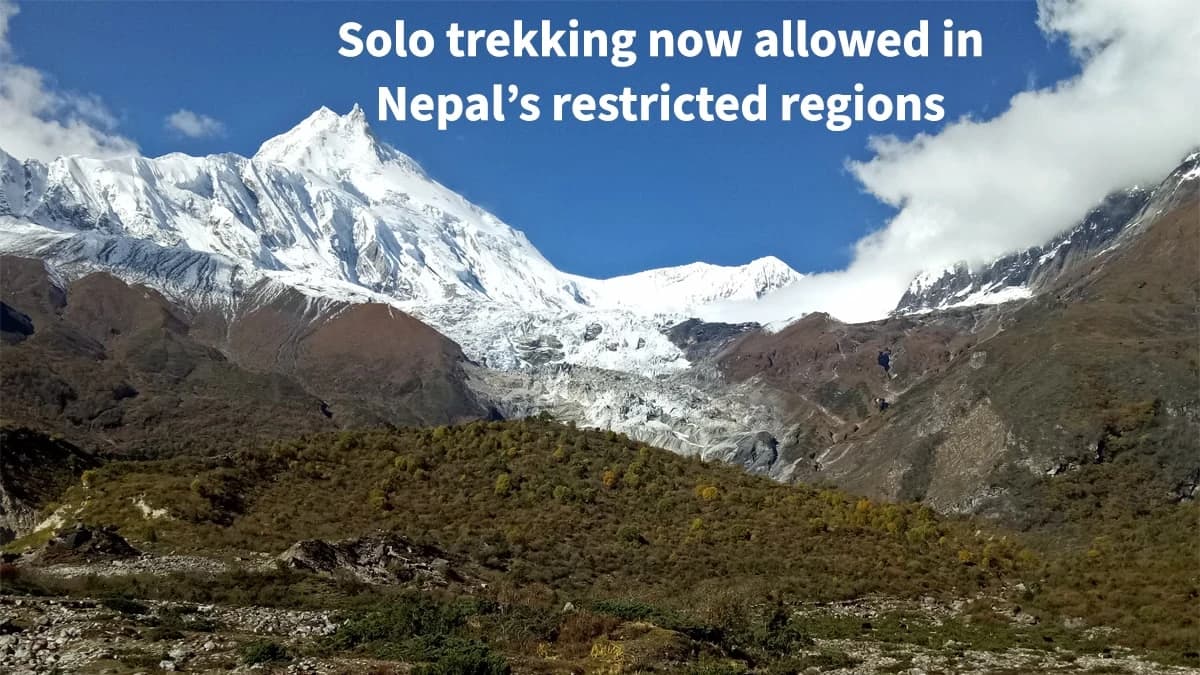
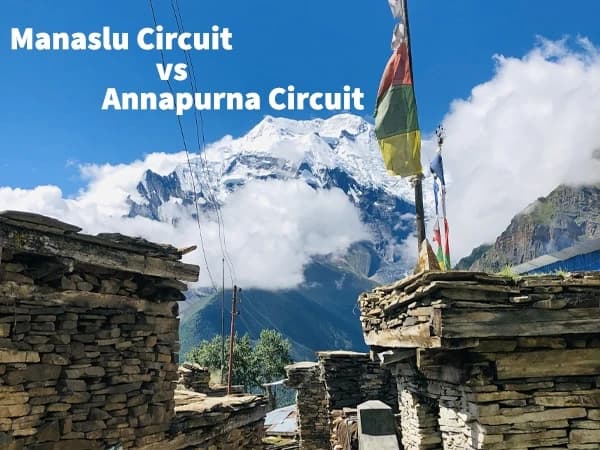
Of all the restricted area treks newly opened to solo trekkers, the Manaslu Circuit deserves particular attention. It circles the world's eighth-highest mountain, Manaslu, 8,163 m, through deep gorges, ancient Buddhist monasteries, and high Himalayan passes.
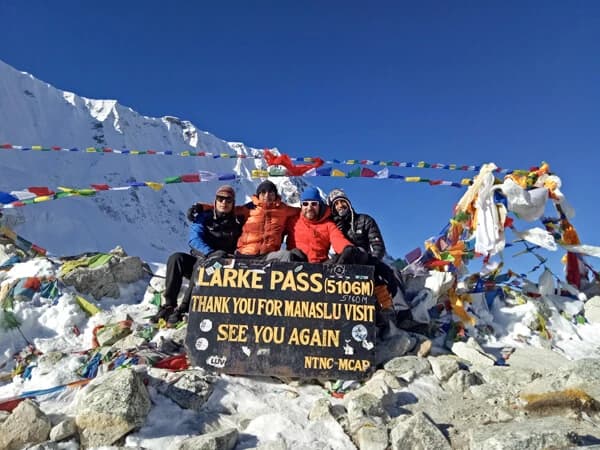
The circuit crosses the Larkya La Pass at 5,160 m, one of the most dramatic high passes in Nepal, with views that rival anything on the Everest or Annapurna routes. Unlike those iconic corridors, Manaslu still feels genuinely off the beaten track. Teahouses are simpler, acclimatization is essential, and the cultural texture, Tibetan Buddhist villages, mani walls, butter tea offered by monasteries along the way, is richer for the reduced foot traffic.
For solo trekkers, Manaslu has a distinct practical advantage over Upper Dolpo or Kanchenjunga: it is logistically accessible from Kathmandu (approximately 7-9 hours by road to the trailhead at Arughat), making it achievable within a standard two to three-week itinerary without flights to remote airstrips.
The permit cost is among the most reasonable for a restricted area route: USD $100 per week during peak season (September–November) and USD $75 per week otherwise. You will also need a Manaslu Conservation Area permit and an Annapurna Conservation Area permit if your route crosses into that region.
How to Apply for a Restricted Area Permit in 2026
-
Choose your destination and research the full permit requirements.
Each restricted area has its own permit. Many routes also require a National Park or Conservation Area entry permit on top. Confirm the full list, and total cost, before budgeting. Your agency should provide a written breakdown.
-
Book through a registered trekking agency.
This is no longer optional, it's a legal requirement. Choose an agency registered with the Nepal Tourism Board and ideally affiliated with TAAN. Ask directly: what is your emergency evacuation protocol for restricted areas?
-
Apply online using your visa submission ID from home.
One of the most important improvements in the March 2026 reform. You no longer need a finalized Nepal visa number to apply. Your visa application submission ID is sufficient, allowing proper advance planning before you travel.
-
Confirm your guide's license number.
Licensed guides are registered with the Nepal Tourism Board. Ask the agency for your assigned guide's license number and verify it. A genuinely licensed and experienced guide in a restricted area is a material safety asset, not a formality.
-
Carry physical and digital permit copies.
Checkposts in restricted areas will verify permits. Keep a physical copy in your daypack and a digital backup. Some remote checkposts operate without reliable connectivity, so printed documents are not optional.
What to Know Before You Go
The new rules open access. They don't change what the terrain requires of you. A few things I'd tell any solo trekker preparing for a restricted area trek in 2026:
-
Don't underestimate acclimatization. Upper Mustang, Manaslu, and Upper Dolpo all require sustained time above 4,000 m. If you're flying in from sea level, build at least three to four days of lower-altitude hiking before entering restricted territory. Altitude sickness is the single biggest risk on these routes.
-
Carry comprehensive travel insurance with helicopter evacuation cover. Helicopter rescue from Upper Dolpo or Kanchenjunga can cost USD $4,000–$8,000. This is not optional. Verify your policy covers the specific altitudes and regions you're entering.
-
Be honest with your guide about your fitness and experience level. The relationship works best when it's built on honest communication, not performance. A good guide adjusts pace, identifies early altitude symptoms, and makes judgment calls that protect your safety.
-
Apply for permits 4–6 weeks in advance. The online system is newly streamlined but any new platform has teething problems during peak season. Don't leave permit logistics to the week before you travel.
-
Infrastructure in restricted areas is minimal, especially in Dolpo and Humla. Teahouses exist but are simpler than the Everest or Annapurna corridors. Pack more self-sufficiency than you think you need: snacks, a quality sleeping bag, and a solid first aid kit are essentials, not luxuries.
-
Respect restricted area rules on photography and cultural sites. Many villages and monasteries in these regions have specific protocols around photography, entry, and donations. Your guide will brief you. Follow their lead without hesitation.
✓ Fitness preparation timeline
For Manaslu or Kanchenjunga: aim for 12+ weeks of consistent cardiovascular training with loaded pack walks (8–10 kg) on hilly terrain. For Upper Dolpo or Humla: 16+ weeks, with emphasis on sustained output at altitude if you can access it.
FAQ: Nepal Restricted Area Permits 2026
Do I still need a trekking agency as a solo trekker?
Yes. The new rule allows solo permits but requires all trekkers to apply through a registered agency and trek with a licensed guide. You cannot obtain a restricted area permit independently without agency involvement. The agency also bears legal responsibility for emergency rescue operations.
Can I choose my own guide, or does the agency assign one?
You can request specific guides through most reputable agencies. If you have preferences, language, experience with a specific region, trekking pace, communicate them clearly when booking. For a solo trip, the guide relationship matters more than on a group trek.
Does the mandatory guide rule apply to Everest Base Camp or Annapurna Circuit?
No. This specific reform applies only to restricted area permits across the designated 13 districts. Everest Base Camp and Annapurna Circuit are not restricted areas and follow separate regulations — though Nepal's broader mandatory guide rule introduced in 2023 does apply across most trekking routes.
What is the total cost of a restricted area trek, including all permits?
It varies significantly by destination. Manaslu in peak season costs USD $100 per week for the restricted area permit alone, plus Conservation Area fees. Upper Mustang is USD $500 for the first 10 days. Factor in guide fees (USD $25–$40 per day), agency service charges, and any National Park entry fees when building your budget. A full Manaslu Circuit trek typically runs USD $1,200–$2,000 all-in beyond your flights.
Is it safe to trek restricted areas solo, with a guide?
Trekking with a licensed, experienced guide is actually safer than trekking in an unguided group with no accountability structure. The key is choosing the right guide and agency, carrying proper insurance, and being realistic about your fitness level relative to the terrain. The guide requirement is a safety net, not a bureaucratic inconvenience.
Can I apply for the permit before arriving in Nepal?
Yes, this is one of the key improvements in the March 2026 reform. You can now apply using your visa application submission number from your home country. This removes the previous bottleneck of needing an active Nepal visa number first, and allows you to plan and confirm your itinerary before you travel.
Which restricted area trek is best for a first-time solo trekker in Nepal?
Manaslu Circuit or Tsum Valley. Both are logistically accessible from Kathmandu without remote flights, offer well-marked trails with increasing teahouse infrastructure, and provide a genuine restricted area experience without the extreme remoteness of Upper Dolpo or Humla. Contact our team for a personalised recommendation based on your experience level and timeline.
The Trails Are There. The Permits Are Now Available.
Nepal's restricted areas have always been the most extraordinary trekking destinations in the country. The group permit requirement was a barrier that kept genuinely capable, respectful solo travelers away from places they deserved to experience. The March 2026 reform removes that barrier, thoughtfully, with accountability built in through the licensed guide and agency requirement.
Whether you've been dreaming of crossing the Larkya La pass on the Manaslu Circuit, walking the ancient kingdom of Upper Mustang in post-monsoon light, or spending three weeks tracing the edge of Kanchenjunga in near-solitude — your time has arrived.
Start by identifying the region that calls to you. Find a registered agency with a strong restricted area track record. Apply early, plan your acclimatization carefully, and carry proper insurance. The rest is just the walk itself.
Ready to plan your restricted area trek?
Our team has been guiding restricted area treks for over 20 years. We handle every permit, arrange licensed guides with regional expertise, and are available for emergency support throughout your trek.
Plan My Trek
Explore related guides:
Manaslu Circuit Trek | Complete Guide · Upper Mustang Trek Package · Nepal Trekking Permit Guide 2026
Sources: Nepal Department of Immigration public notice, March 22, 2026 · Trekking Agencies' Association of Nepal (TAAN) · Nepal Tourism Board permit schedule 2025/26.