Annapurna Circuit Trek: A 20-Year Veteran's Complete 2026 Guide
One of the most rewarding long-distance treks in the world, the Annapurna Circuit Trek takes 12 to 18 days to finish and traverses Thorong La Pass at 5,416 meters. You will cross a difficult mountain pass, traverse a variety of terrain from high-altitude desert to subtropical lowlands, and get a taste of real Himalayan culture in towns like Manang and Marpha.
The hike is moderately challenging and requires enough acclimatization and physical fitness. Nonetheless, motivated first-time hikers who are well-prepared can accomplish it.
In the last 20 years, I have led this circuit more than 40 times. In October of last year, I saw a 62-year-old Australian teacher who had doubted she could make it just two days before stand at the top of the pass with tears in her eyes.
Everything I've discovered from numerous crossings is shared in this guide. You'll receive frank evaluations of the challenges, up-to-date 2026 expenses and rules, comprehensive logistics, and the insider information that makes the difference between failing and succeeding.
Are you prepared to begin making plans? Check out our Annapurna Circuit Trek packages, which include knowledgeable guides and all-inclusive assistance.
Understanding the Annapurna Circuit Trek: Seasons and Difficulties
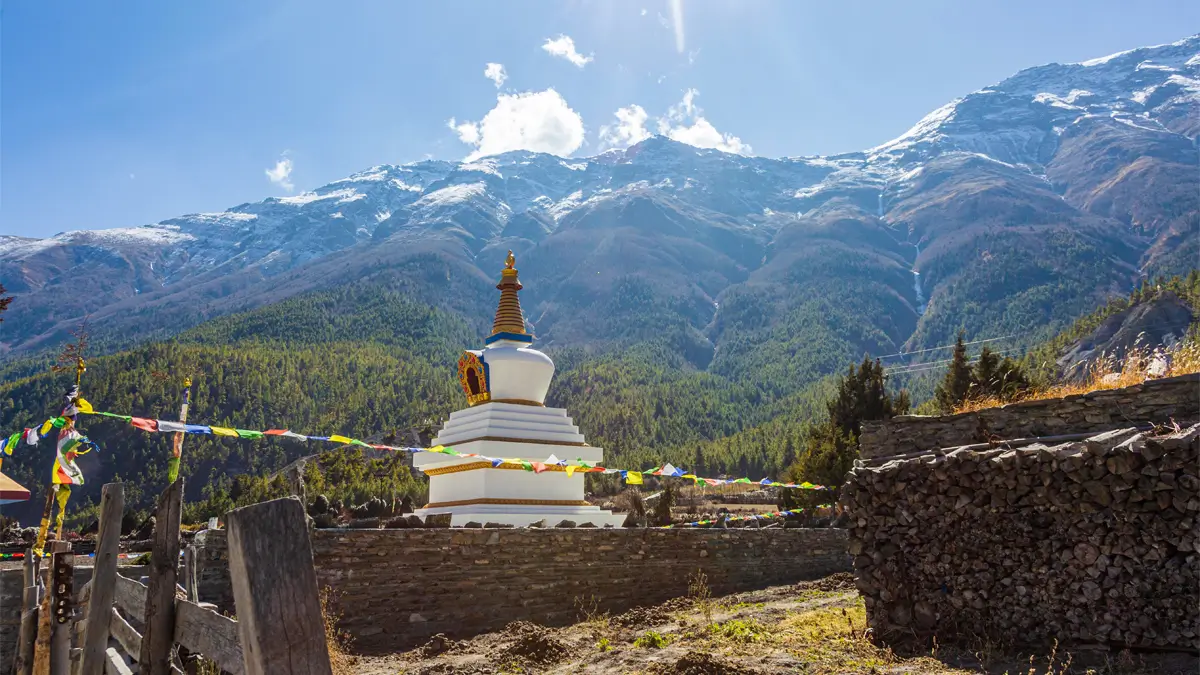
The Annapurna Circuit Trek is more of an altitude challenge than a technical one. Without any climbing gear or mountaineering expertise, you will traverse well-traveled paths.
You will, however, ascend more than 4,000 meters and traverse Thorong La Pass, where everyone is impacted by altitude. Pacing is assisted by prior hiking experience, but fitness and acclimatization are more important than trail experience.
Breakdown of Circuit Difficulty
| Category |
Details |
| Walking Requirements Each Day |
- Five to seven hours a day on average
- Gain in elevation: 400–800 meters on most days
- Thorong La day: 8–10 hours total (600m up, 1,600m down)
- Technical difficulty: None (tracks that are already there)
|
| Physical Requirements |
- Highest point: 5,416 meters at Thorong La Pass
- Gain in elevation overall: more than 4,000 meters
- Most difficult day: Thorong La crossing
- Minimum number of rest days: 2 (usually in Manang)
|
Best Time for Annapurna Circuit Trek
My Seasonal Suggestions:
The most consistent weather and the best mountain views are found from October to November. Popular teahouses are packed at this busy time of year, especially in Manang, where hikers spend additional days getting used to the new environment.
At lower elevations, spring brings blooming rhododendrons and warmer temps. On Thorong La, however, spring snow can persist into early April, sometimes causing short-term closures.
Only seasoned hikers who can withstand intense cold should consider winter trips. In heavy years, snow depths can exceed 1-2 meters, and many teahouses close above Manang.
Organizing the dates of your trek? Check the availability of our seasonal Annapurna Circuit excursions for October through November of 2026.
The whole itinerary for the Annapurna Circuit: Village by Village
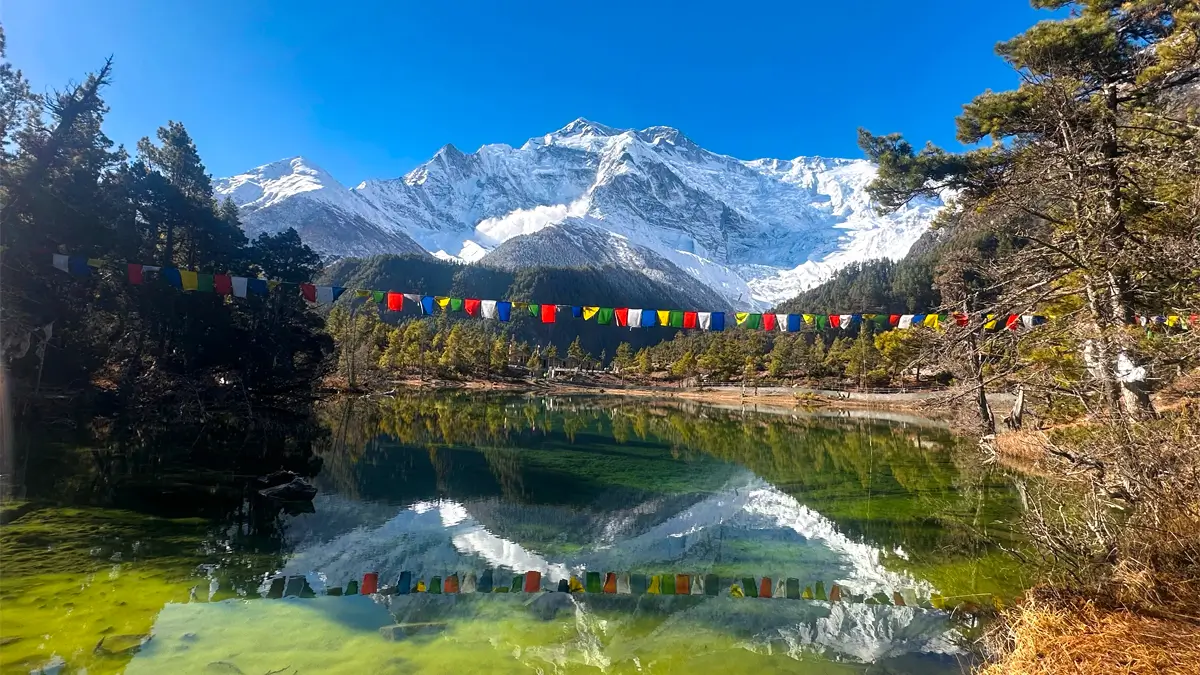
The typical circuit travels from Besisahar to Nayapul in a circular direction. To save time, many hikers now take jeeps on parts of the lower trail.
In-depth Everyday Dissection
Days 1-3: Besisahar to the subtropical zone of Chame
You will begin your journey over terraced rice fields at 760 meters above sea level at Besisahar. Nowadays, the majority of trekkers skip two days by using jeeps from Besisahar to Syange or Dharapani.
Important stops when walking:
- Tal (1,700m): The first breathtaking views of the mountains
- Bagarchhap (2,160 m): Tibetan Buddhism starts here
- Chame (2,670m): The last dependable ATM until Jomsom
In the last few years, the road has grown considerably. Expect hot and muggy weather in this area if you decide to walk.
Days 4-5: Transition to Manang (High Valley)
This area shifts from a thick pine forest to a drier upper valley. You will have to pick between paths as the trail passes through Pisang.
Options for routes to Pisang:
- Upper Route: Traditional settlements, breathtaking views of Annapurna II, and an elevation of +200m
- The Lower Path: Your crucial acclimatization stop is at 3,540 meters, where the valley bottom is easier to reach and Manang is more accessible.
Your body needs time to make extra red blood cells, so plan on staying here for at least two nights.
Manang Activities That Are Essential:
- Attend the altitude sickness lecture at the HRA clinic (strongly advised)
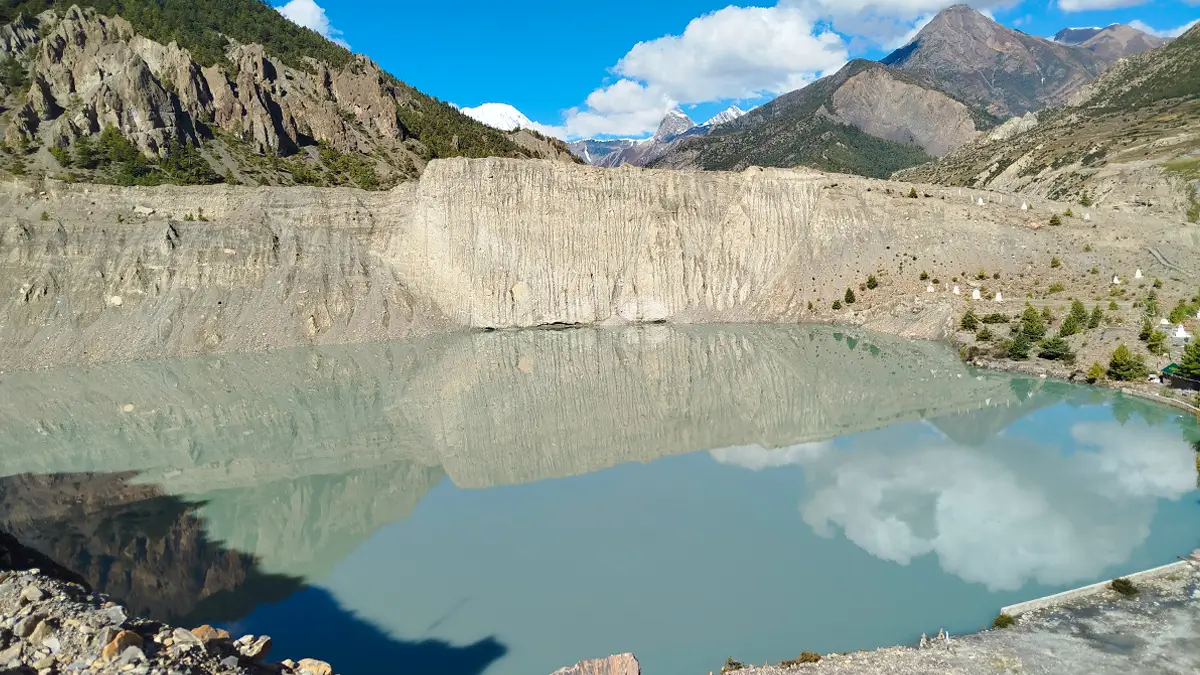
- Hike for acclimatization to Preken Gompa or Gangapurna Lake (4,000m)
- Rest, stay hydrated, and keep an eye on your symptoms
- Savor bakeries and equipment stores (last opportunity before Thorong La)
I have witnessed innumerable hikers speed through Manang after just one night, only to suffer greatly at Thorong La. Avoid such a mistake and make good use of Manang's two nights.
Do you need advice on how to properly acclimate? Throughout your journey, safe altitude progression is guaranteed by our knowledgeable Annapurna guides.
Days 6-7: Thorong Phedi to Manang
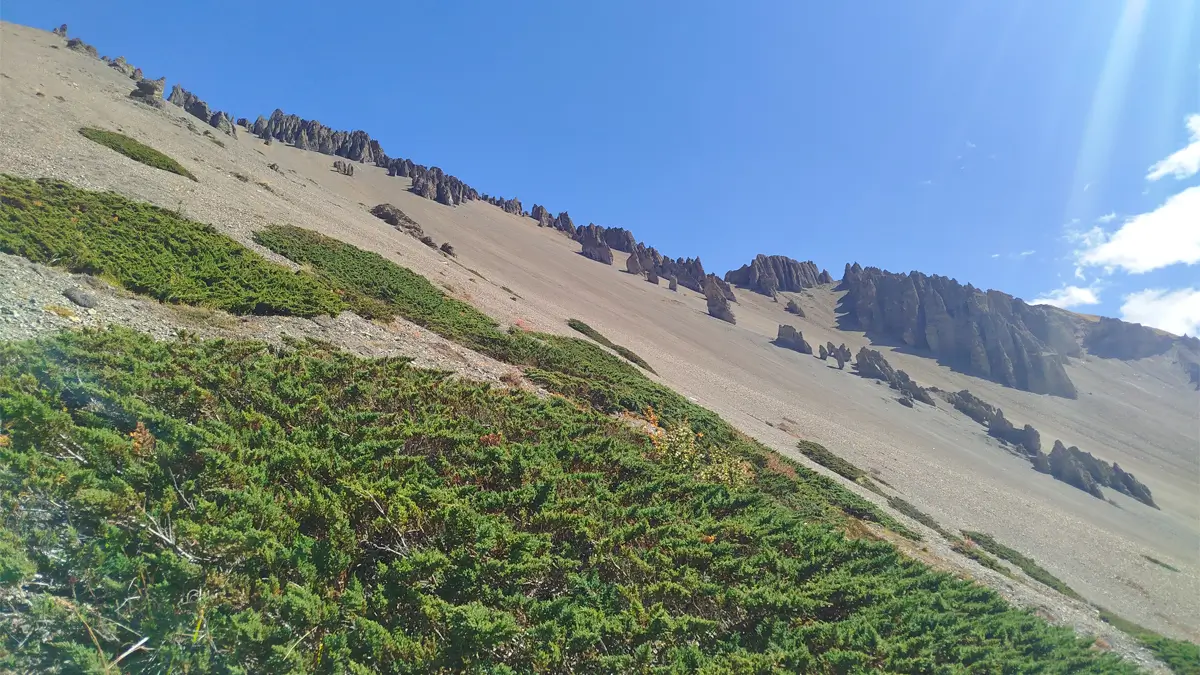
After leaving Manang, the terrain changes to a desert at a high elevation. The air visibly thins, winds pick up, and vegetation becomes sparse.
Exposure to increasing altitude:
- Yak Kharka (4,018m): First stop after Manang
- Ledar (4,200m): Reduced settlement
- Thorong Phedi (4,450m): Base camp for traversing the Thorong La Pass
In order to shorten the crossing distance, some hikers push to High Camp (4,800m). But for most people, this results in disturbed sleep and a large increase in altitude exposure.
Unless you have very good acclimatization, I suggest staying at Thorong Phedi. It's better to start early and sleep lower than to reach 5,000 meters fatigued.
Day 8: The Ultimate Challenge, Thorong La Pass
More than any other portion, this day puts your preparation to the test. Success or failure is determined by how well it is executed.
Thorong La Crossing Timetable:
| Time |
Activity |
| 1:30 AM |
Tea, biscuits, and wake-up |
| 2:30 AM |
Put on headlights and begin to stroll |
| 6:30–7:30 AM |
Reach Thorong La Pass (5,416m) |
| 7:30–11:30 AM |
Reach Muktinath by descent (3,800m) |
| Total Duration |
Eight to ten hours, 600 meters up (From High Camp), 1,600 meters down |
The early start maximizes time before the weather worsens and avoids afternoon breezes. You will ascend steadily for four to five hours from Thorong Phedi.
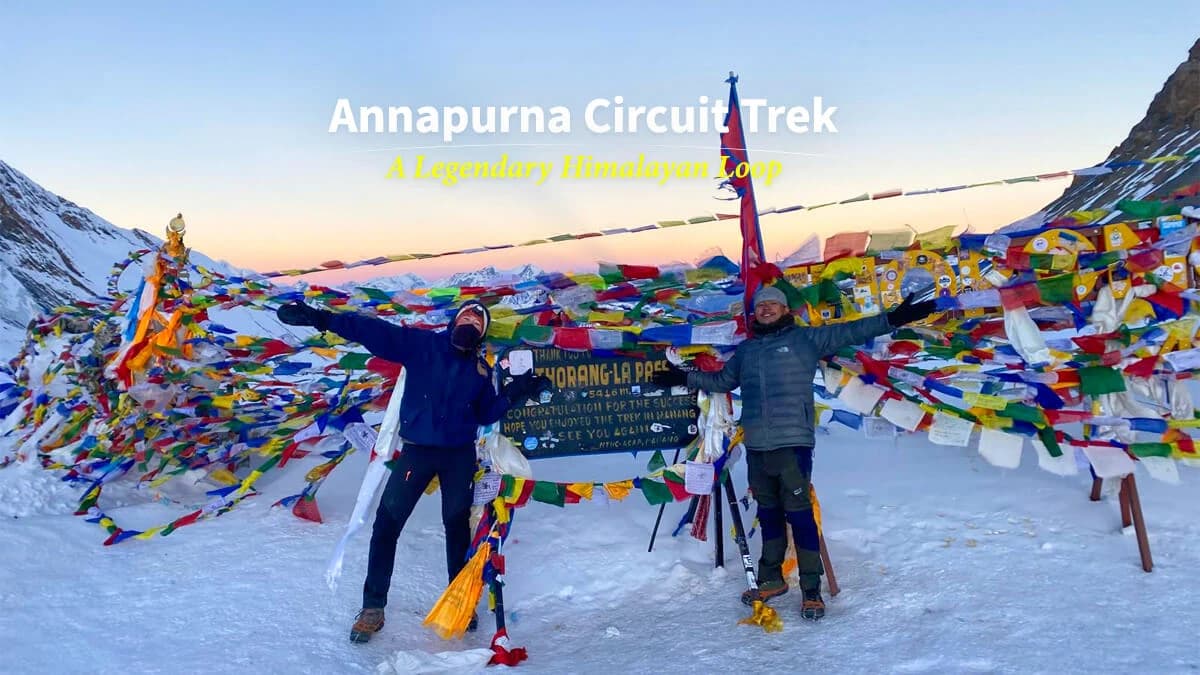
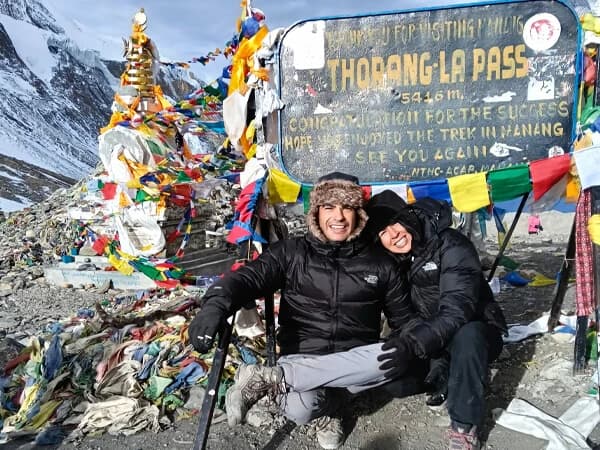
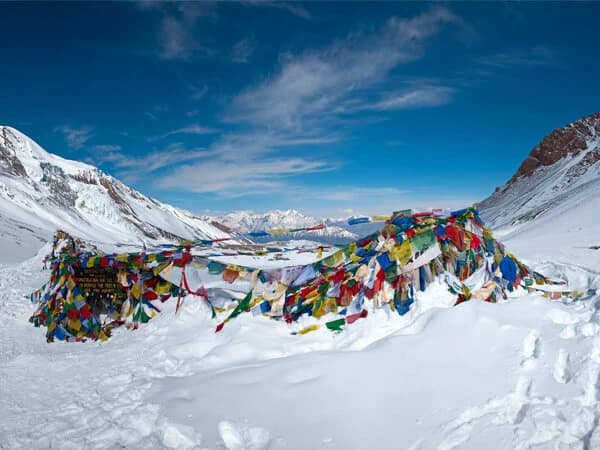
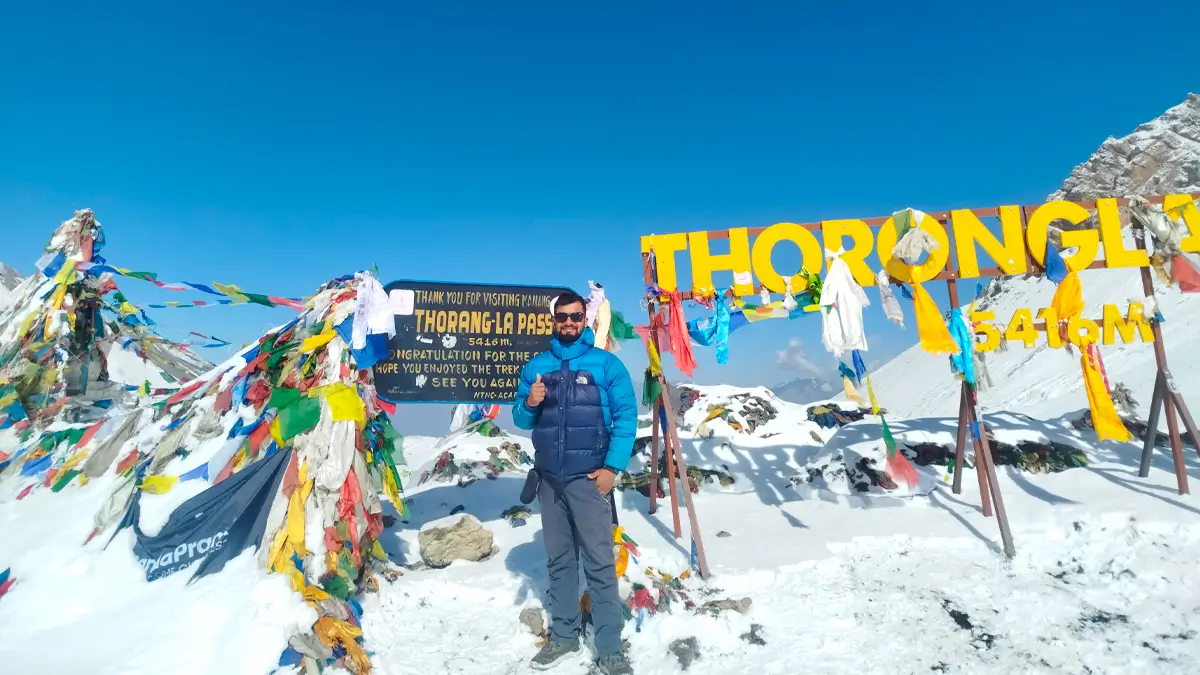
The last 200 meters have loose scree and a significant steepening. Prayer flags flutter in the wind at the crossing, and views of the mountains stretch beyond to Mustang and Dhaulagiri.
Crucial Pass Day Advice:
- Start early because the weather can change in a matter of minutes
- Take pictures fast; don't linger
- After taking pictures at the summit, descend right away
- On the rocky descent, keep an eye on your knees
- You've completed the most difficult stage, so celebrate at Muktinath
I led a group through unforeseen snow squalls at the pass last March. By starting at 2 AM and reaching the summit by 6:30 AM, we had gained vital time before the storm got worse.
Are you worried about crossing Thorong La Pass? Together, our knowledgeable guides have traversed the pass more than 500 times and are familiar with all weather patterns.
Days 9–12: From Muktinath to Pokhara
Many hikers ride jeeps from Muktinath to Jomsom after Thorong La. But there are other benefits to walking that you shouldn't pass up.
Descent to the West Highlights:
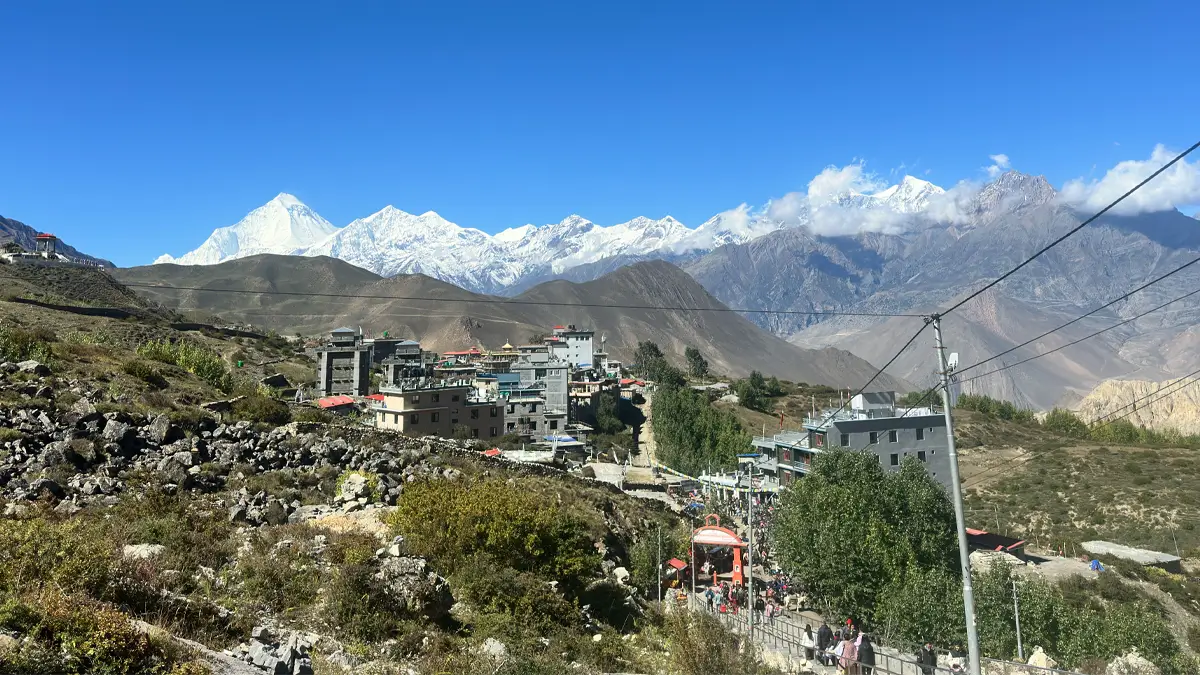
- Muktinath (3,800m): 108 water spouts, sacred temples
- Jomsom (2,720 meters): Airport option, administrative center
- Marpha (2,670m): Renowned apple brandy, White-washed village
- Kalopani (2,560m): Beautiful views of Dhaulagiri
- Tatopani (1,190m): Natural hot springs that are ideal for aching muscles
Nepal's renowned apple brandy is made at Marpha. The whitewashed village is still immaculate, with narrow cobblestone lanes; stop by local distilleries for sampling.
To see the sunrise over Poon Hill, you can walk from Tatopani to Ghorepani. This adds two to three days, but the views are breathtaking. Find out more about combining Poon Hill and Annapurna Circuit.
The majority of trekkers travel to Pokhara in jeeps from Tatopani or Beni. Many people now favor the eastern ascent because modern road building has altered the circuit's nature on the western descent.
Costs, permits, and logistics for the Annapurna Circuit
Knowing the rules that are in place right now can help you make a good budget. There are certain rules on permits that apply to the Annapurna region that have altered in the last few years.
2026: Required Permits
| Permit Type |
Cost |
Purpose |
| ACAP (Annapurna Conservation Area Permit) |
NPR 3,000 (~$25 USD) |
Required for all trekkers in the Annapurna region |
Check out the complete Annapurna Permit Details for 2026.
You can buy ACAP in Kathmandu at the Nepal Tourism Board office or in Pokhara before you start. When you go trekking with registered agencies, you don't need TIMS cards anymore.
Before you go, check the rules for permits because they can change. Bring photocopies of your passport and extra passport photos for permissions.
Need help with permissions and planning? Our Annapurna Circuit packages include everything you need, like permits, paperwork, and travel plans.
Full breakdown of the cost of the Annapurna Circuit (2026)
| Category |
Budget Trekker (Independent) |
Mid-Range Trekker (With Guide) |
Comfort Trekker (Guide + Porter) |
| Permits |
$25 |
$25 |
$25 |
| Guide |
- |
$30–$35/day |
$30–$35/day |
| Porter |
- |
- |
$25–$28/day |
| Lodging |
$3–$5/night |
$5–$8/night |
$8–$12/night |
| Food |
$15–$20/day |
$20–$25/day |
$25–$30/day |
| Transportation |
$50–$80 |
$50–$80 |
$80–$100 |
| Other |
$100 |
$150 |
$200 |
| TOTAL (12–14 days) |
$500–$700 |
$1,200–$1,500 |
$1,800–$2,200 |
Saving Money Helpful Hints:
- At teahouses, you can order set meals (dal bhat) and get as many as you want
- Stay where you eat (accommodation is typically free with the meal)
- Bring a way to purify water (don't buy bottled water)
- Trek in the shoulder seasons (March or November) to save money
- To save money, two trekkers can share porters
Want prices that are clear and don't include any hidden fees? Check out our full Annapurna Circuit package prices, which include all meals, guides, and permits.

Things you need to pack for Thorong La
Layers of clothing (very important):
- Base layers (merino wool is best)
- Mid-layer with insulation (fleece or down)
- Jacket and leggings with a waterproof shell
- Down jacket (a must-have for Thorong La)
- Hat, gloves, and a warm buff or scarf
- Pants for hiking (stay away from jeans)
- Trekking clothes that wick away moisture
Shoes:
- Hiking boots that have been broken in (ankle support is a good idea)
- Teahouses need camp shoes or sandals
- 4 to 5 pairs of warm socks
- Gaiters (good for snow)
Things to bring:
- Sleeping bag with a minimum rating of -10°C (for rent)
- Headlamp with additional batteries
- Trekking poles (quite important for going down Thorong La)
- Sunglasses (must protect against UV rays)
- Water bottles or a way to stay hydrated
- Daypack (25 to 35 liters if you hire a porter)
Health and safety:
- talk to your doctor about Diamox for altitude
- First aid kit (important for treating blisters)
- Lip balm and sunscreen with an SPF of 50 or higher
- Tablets for cleaning water
- Medicines for you
- Paper towels and hand sanitizer
Money and papers:
- Passport and copies
- Permits (ACAP)
- Travel insurance that covers helicopter evacuation
- Cash in NPR (ATMs don't work well above Chame)
- Credit card for when you need it
Don't carry too much; teahouses include food and blankets. I've seen people who are hiking wear packs that are 20 kg when they just need 8 to 10 kg.
Not sure what to bring? Get our full Annapurna Circuit packing list, which includes gear suggestions based on the altitude.
Teahouse Booking Strategy
Along the whole route, teahouses offer simple places to stay. Room quality go down as you go higher, but they're good enough for trekkers.
What to Look Forward To:
| Altitude Range |
Accommodation Details |
Cost |
| Less than 3,000m |
Private rooms with attached toilets and hot showers |
$2–$3 |
| 3,000–4,500m |
Private rooms, shared bathrooms, and not much hot water |
Varies |
| Above 4,500m |
Basic rooms, little heat, and shared bathrooms |
Varies |
In popular places like Manang and Thorong Phedi, you should book one day in advance during the busy season (October to November). Call ahead or ask the current owners of the teahouse to save your future stop.
If you eat at a teahouse, you can usually stay there for free. If you don't eat meals, expect to pay NPR 300 to 500 for a room.
How to Act in a Teahouse:
- Order food where you sleep
- Don't try to get a better deal on room rates
- Respect lunch times (kitchens close early)
- Charge electronics during the day (solar power is limited)
- Give workers a tip when you leave (NPR 100-200 is ok)
Safety, getting used to things, and getting ready
The biggest danger on the Annapurna Circuit Trek is the altitude. Recognizing warning symptoms and properly acclimatizing can help you avoid significant complications.
How to Avoid Altitude Sickness
Gradual Exposure to Higher Altitudes:
- Above 3,000m, you should not sleep more than 300–500m higher than the night before
- Add days off at Manang (3,540m)
- "Climb high, sleep low" on days when you are getting used to the altitude
- Drink a lot of water every day (4–5 liters at high altitudes)
Schedule for Acclimatization:
| Day |
Location |
Altitude |
Activity |
| Day 5 |
Manang |
3,540m |
Get to Manang |
| Day 6 |
Manang |
3,540m (climb to 4,000m) |
A day off with a climb to 4,000m to get used to the altitude |
| Day 7 |
Yak Kharka |
4,018m |
Go on to Yak Kharka |
| Day 8 |
Ledar or Thorong Phedi |
4,200–4,450m |
Ledar or Thorong Phedi |
| Day 9 |
Thorong La to Muktinath |
5,416m (pass) to 3,800m |
Cross Thorong La and then go down to Muktinath |
This schedule gives for the right amount of time to adjust. If you skip Manang's second night, the danger of getting altitude sickness goes up a lot.
Want to know how to handle high altitudes like a pro? Our guided Annapurna Circuit excursions include health checks every day and information on the altitude before the hike.
Signs of Acute Mountain Sickness (AMS):
Signs of trouble ahead:
- Most common: headache
- Feeling sick or not wanting to eat
- Feeling dizzy or lightheaded
- Tired even after resting
- Trouble sleeping
Serious symptoms that need to be treated:
- Severe headache that medicine doesn't help
- Throwing up
- Confusion or a change of consciousness
- Loss of coordination (ataxia test: walk a straight line)
- Breathlessness while resting
Plan for treatment:
- Symptoms that aren't too bad: Stop climbing, take a break, drink some water, and think Diamox
- Moderate signs: Go down 300 to 500 meters and then check again
- Very bad symptoms: Get down right away and get medical treatment
In the last twenty years, I've had to get trekkers out of Thorong Phedi three times. They had ignored early signs and gone too high too quickly each time.
There is no way to negotiate safety. All of our Annapurna Circuit Treks come with full travel insurance advice and help in case of an emergency 24 hours a day, 7 days a week.
How to Get Out of an Emergency
It costs between $5,000 and $8,000 to evacuate by helicopter from a high place. You must have full travel insurance that covers helicopter rescue.
Availability of Rescue:
- Most villages have mobile phone service (NTC/Ncell)
- Helicopter rescue is possible up to 5,500m, but only if the weather is good
- The HRA clinic in Manang offers consultations
- Teahouse owners or guides can help in rescue coordination
Helicopter activities are limited by the weather. Flights in the morning are more likely to be successful than those in the afternoon.
Always check to see whether your insurance covers trekking in Nepal up to 6,000 meters. Most standard plans don't cover activities at high altitudes.
Timeline for Getting Fit
| Timeline |
Training Activities |
| Three Months Before |
- Start doing cardio workouts like hiking, running, or biking
- Work up to 4–5 hours of activity three to four times a week
- Add elevation gain to your training hikes
- Make your legs and core stronger
|
| 6 Weeks Before |
- Make your workouts longer and harder
- Practice using a backpack that weighs 10 to 12 kg
- Get used to your trekking boots entirely
- Try out all of your gear on long hikes
|
| Two Weeks Before |
- Lower the intensity of your training
- Focus on getting enough rest and healing
- Finish packing and planning the trip
- Check that you have the right permits and insurance
|
You don't need to be fit for a marathon, but regular preparation will help you avoid problems. I've helped fit 65-year-olds do better than 30-year-olds who don't move around.
Want a training plan just for you? Get in touch with our trek experts for personalized fitness prep advice based on how much experience you have.
Risks from the weather and the seasons
| Season |
Risk |
Mitigation |
| Autumn (October to November) |
Risk of early snow (late November) |
Keep an eye on forecasts and have a flexible schedule |
| Spring (March to May) |
Risk of afternoon storms and snow that doesn't melt |
Start early in the morning and check the pass conditions |
| Winter (December to February) |
Risk of very cold weather, deep snow, and avalanches |
Only use expert assistance and the right gear |
| Monsoon (June to September) |
Risk: landslides on the way and damage to the trail |
Don't go if you're risk-averse; look for other alternatives |
The weather at Thorong La changes quickly. Clear mornings can turn into whiteout blizzards by the afternoon, so you have to start early.
Tips for photography and cultural immersion
The Annapurna Circuit has more to offer than only beautiful mountain views; it also has deep cultural experiences. Knowing about local customs makes your trip much more interesting.
Cultural Highlights:
- Monasteries for Buddhists in Manang and Braga
- Tibetan influence in the upper Marsyangdi valley
- Cultural overlap of the Mustang near Muktinath
- The way houses are built in Marpha's villages
- Muktinath is a holy place to go on a pilgrimage
How to Act in Different Cultures:
- Walk around mani walls and stupas in a clockwise direction
- Take off your shoes before going into a monastery
- Get permission before taking pictures of people
- Wear modest clothes at places of worship
- Choose local companies over big foreign chains
Photography chances:
Best places:
- Sunrise in Manang with the mirror of Gangapurna
- Prayer flags at Thorong La Pass
- The whitewashed streets of Marpha
- Dhaulagiri views from Kalopani Buddhist temples (ask for permission)
Suggestions for Camera Gear:
- Wide-angle lens for taking pictures of landscapes
- Telephoto for details on mountains
- Extra batteries (cold decreases power)
- Camera bag with protection (dust at high altitudes)
- A polarizing filter makes mountains clearer
In November of last year, I took a professional photographer to Pisang to take pictures of Annapurna II at sunrise. The light made the peak a bright orange color, which made it onto National Geographic's list of the best photos.
Want to learn more about other cultures than what's in guidebooks? Our local Annapurna guides know how to get inside monasteries, tell stories about villages, and discover great places to take pictures that you won't find anywhere else.
Questions that are often asked
Is it safe to hike the Annapurna Circuit by yourself?
If you prepare properly, the circuit is pretty safe for anyone who are hiking alone. The trails are easy to follow, there are teahouses where you may stop often, and you'll see other trekkers every day. But having a guide makes things safer because they know the area, can help with altitude issues, and can help in an emergency. Check out our guided and self-guided Annapurna Circuit options.
How hard is the Thorong La Pass compared to the Everest Base Camp?
The pass crossing is harder, even though Thorong La is 5,416 meters high and EBC is 5,364 meters high. Instead of a slow EBC approach, you'll grow and lose a lot of height in one day. But you don't need any technical abilities to get to Thorong La, and the view there is more varied than in the Everest area. Look at the differences between our Annapurna Circuit and Everest Base Camp tours.
What's the state of the roads on the Annapurna Circuit right now?
Now there are roads that go from Besisahar to Manang and from Muktinath to Tatopani. Most people who go on treks take a vehicle from Besisahar to Syange or Dharapani, then trek to Muktinath and then a jeep to Pokhara. The eastern path from Manang to Thorong La is still a beautiful place to hike.
Is it possible for me to finish the Annapurna Circuit in ten days?
It's technically conceivable to use jeeps for the lower parts, but I strongly advise against it. It takes at least 12 to 14 days to get used to the new environment. Rushing makes altitude sickness much more likely and takes away from the experience of villages like Manang and Marpha. Check out our suggested 14-day Annapurna Circuit itinerary for safe acclimatization.
What is the cost of the Annapurna Circuit in 2026?
Budget trekkers pay $500 to $700 to go on a 12- to 14-day trip by themselves. A mid-range trip with a guide costs $900 to $1,400. The cost of a comfortable hike with a guide and a porter is between $1,200 and $1,800. These expenditures cover things like permits, housing, food, and basic transportation.
Should I hike the Annapurna Circuit on my own or with a guide?
Guides know the best routes, how to handle high altitudes, how to understand other cultures, and how to help in an emergency. Experienced guides are quite helpful for people who are trekking in the Himalayas for the first time. Experienced trekkers who are comfortable with heights and finding their way can go on their own, although guides make the trip safer and help you learn about the culture. Meet our team of Annapurna guides, who have more than 100 years of combined experience.
What month has the best weather for the Annapurna Circuit?
October has the best weather, with bright skies and steady conditions. November has the same weather but fewer people. March and April are warmer months with clear mornings. Stay away from December to February (when it's quite cold) and June to September (when the monsoon rains are coming).
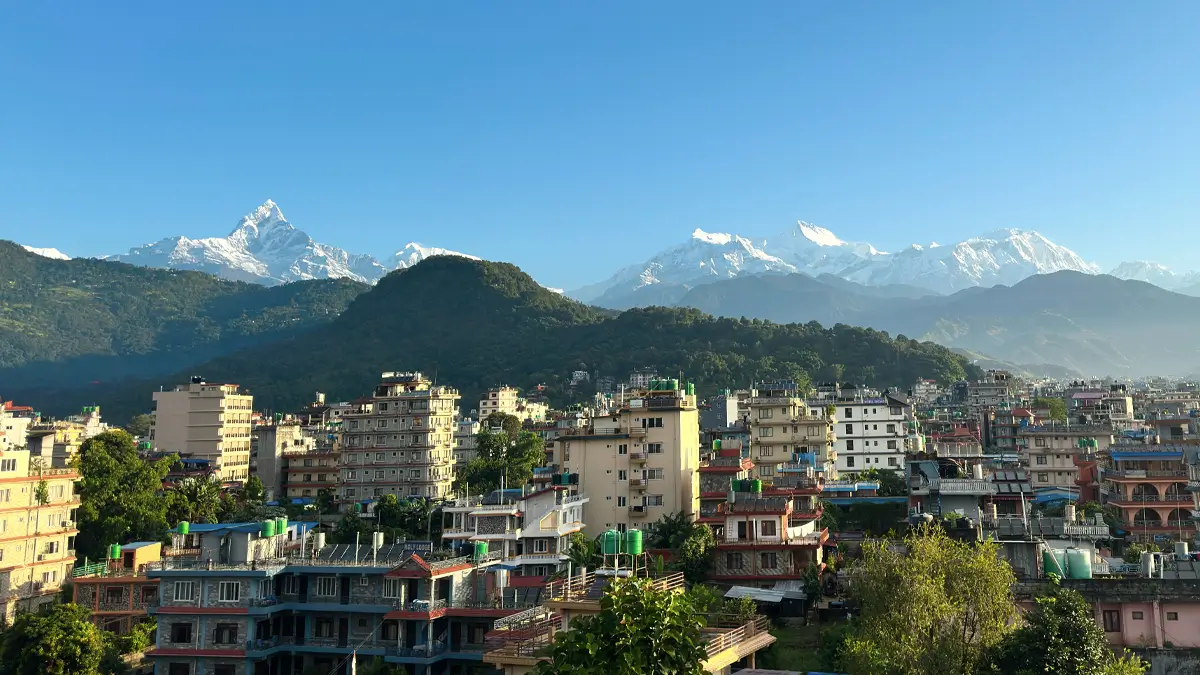
Start your journey on the Annapurna Circuit
The Annapurna Circuit Trek gives you what few other trips can: a real physical challenge, a high-altitude accomplishment, and a deep cultural experience. Crossing Thorong La Pass tries your willpower, and communities like Manang and Marpha show you what real life is like in the Himalayas.
You'll come away from the trip changed, with recollections of prayer flags snapping in the wind on the mountains, sharing meals with other trekkers, and that moment when you realized you had done something amazing at 5,416 meters. The circuit gives you an adventure that will change your life if you plan ahead.
Take the next step
Are you ready to hike the Annapurna Circuit? This is how to get started:
2026 bookings get a special deal: If you book any Annapurna Circuit departure before February 15th, you'll get a free pre-trek altitude briefing session.
Do you have any questions about the trek? For quick help from our trek planning experts, call/WhatsApp us at +977-9841869254(Dambar) or email [email protected].
The Annapurnas are calling. Will you respond?