You don't have to trek to Everest Base Camp to see Everest. Some of the best views of the mountain come from places most trekkers walk straight past: the lakes and summit of Gokyo, the hills above Namche Bazaar, and the quiet Sherpa ridge of Pikey Peak to the south. These alternative Everest treks are shorter, lower or simply less crowded than the base camp route, and each one shows you Everest in a different way.
We currently offer three: Everest Foothills, Pikey Peak and Gokyo Valley.
Alternative Everest Treks Compared
| Everest Foothills | Pikey Peak | Gokyo Valley | |
|---|---|---|---|
| Duration | 11 days | 9 days | 14 days |
| Highest point | 3,880 m (Hotel Everest View) | 4,065 m (Pikey Peak) | 5,357 m (Gokyo Ri) |
| Difficulty | Moderate | Moderate | Strenuous |
| Lukla flight | Yes | No, by road | Yes |
| Crowds | Moderate | Very few trekkers | Quieter than EBC |
| Best for | Short trips, lower altitude | Avoiding flights and crowds | Big views for fit trekkers |
Why Choose an Alternative to Everest Base Camp?
Everest Base Camp is a great trek, but it isn't right for everyone. The base camp itself sits at 5,364 m and you can't actually see Everest's summit from there. The route needs around two weeks with acclimatisation, and in October and April the main trail gets busy.
The treks on this page solve different parts of that problem. Everest Foothills keeps you below 4,000 m and fits into a shorter holiday. Pikey Peak skips the Lukla flight and the crowds altogether. Gokyo Valley goes just as high as base camp, but follows a quieter valley and ends with what many trekkers rate as a better Everest view.
Everest Foothills Trek: Namche, Khumjung and Everest View
The Everest Foothills Trek is the gentlest way to see Everest up close. You fly to Lukla, walk the same trail as base camp trekkers to Namche Bazaar, and then stay based in Namche for day hikes instead of pushing higher.
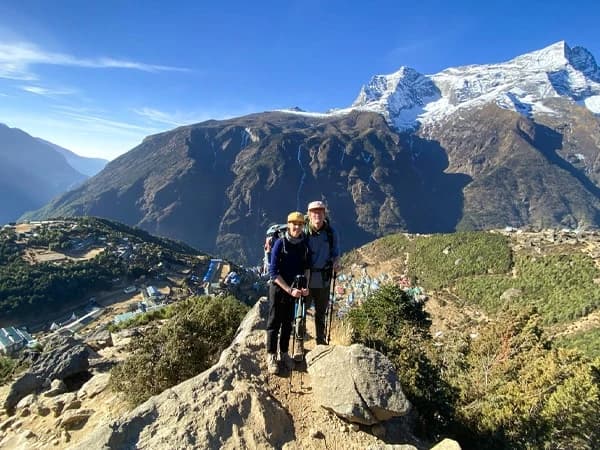
From Namche, you climb to the Hotel Everest View at 3,880 m for a clear look at Everest, Lhotse and Ama Dablam, then return to sleep lower. Another day takes you to Khumjung, a Sherpa village with the school founded by Sir Edmund Hillary and a monastery that keeps a famous "yeti scalp." Because you climb high and sleep low, altitude is much easier to manage than on longer routes.
This trek suits families, older travellers, and anyone with about ten days who wants to experience the Khumbu without committing to base camp.
Pikey Peak Trek: Everest Without the Lukla Flight
The Pikey Peak Trek starts with a drive from Kathmandu to Dhap, about seven to eight hours, so there is no Lukla flight to worry about. The trail then follows a ridge through the lower Solukhumbu, home to Sherpa families who see far fewer visitors than the Khumbu.
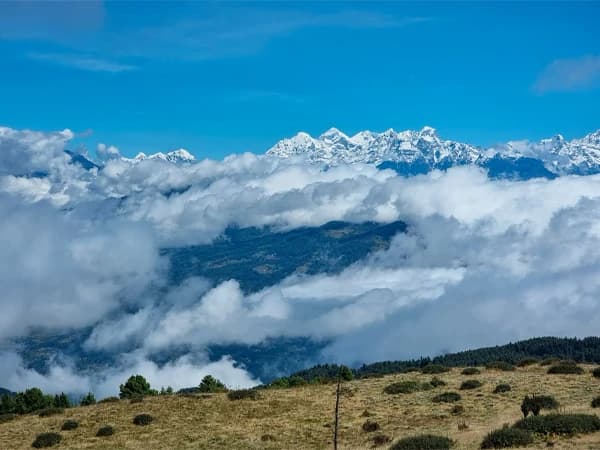
The highlight is sunrise from Pikey Peak at 4,065 m. On a clear morning you can see Everest, Makalu and Kanchenjunga, with the Annapurna range far to the west. On the way down, the trail passes through Junbesi and the Thupten Chholing Monastery, one of the largest Tibetan Buddhist monasteries in the region, before ending at Phaplu.
Pikey Peak suits nervous flyers, trekkers who want quiet trails, and anyone short on time who still wants a proper Everest view.
Gokyo Valley Trek: Lakes, Glaciers and Gokyo Ri
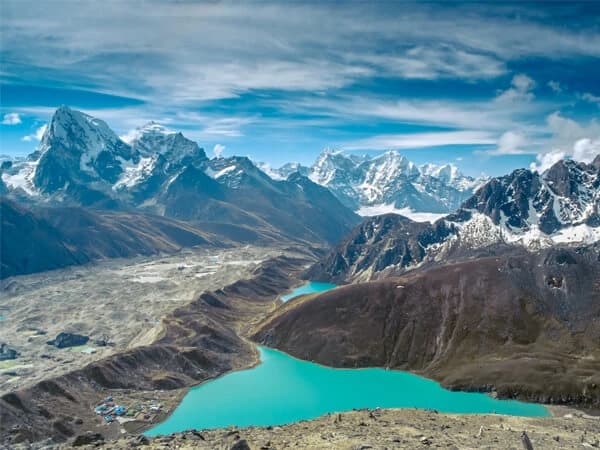
The Gokyo Valley Trek leaves the base camp trail above Namche and heads up a quieter valley to the turquoise Gokyo Lakes, beside the Ngozumpa Glacier, the longest glacier in Nepal.
From Gokyo village, an early climb up Gokyo Ri at 5,357 m gives a wide view of Everest, Lhotse, Makalu and Cho Oyu, with the lakes and glacier below. Many trekkers who have done both routes say the view from here beats anything on the base camp trail.
Gokyo reaches a similar altitude to base camp, so it needs the same respect for acclimatisation. It suits fit trekkers who want a big Himalayan experience with fewer people around them.
Which Alternative Everest Trek Is Right for You?
- You want to avoid the Lukla flight: Pikey Peak.
- You want to stay below 4,000 m: Everest Foothills.
- You have about 10 days: Everest Foothills or Pikey Peak.
- You want the best Everest view and can handle altitude: Gokyo Valley.
- You want Sherpa villages with almost no other trekkers: Pikey Peak.
- You're travelling with family or older trekkers: Everest Foothills.
If you've decided you do want to stand at base camp, see our Everest region treks.
When Is the Best Time for These Treks?
Spring (March to May) and autumn (September to November) are best for all three treks. Autumn usually brings the clearest mountain views, while spring is warmer and the rhododendron forests on the lower trails are in bloom. Everest Foothills and Pikey Peak are lower and can also be done in early winter if you are prepared for cold mornings. Gokyo gets very cold from December to February, and snow can make the upper trail difficult.
For the two treks that fly to Lukla, flights often leave from Manthali airport in Ramechhap during peak season, which means a very early drive from Kathmandu. We plan for this, and we include a spare day in Kathmandu in case flights are delayed by weather.
Frequently Asked Questions
Can you see Mount Everest without going to Everest Base Camp?
Yes. You get clear views of Everest from Hotel Everest View above Namche Bazaar, from Gokyo Ri, and from Pikey Peak. Base camp itself doesn't have a view of Everest's summit.
Which Everest trek is easiest?
The Everest Foothills Trek is the easiest. It reaches only 3,880 m, uses short day hikes from Namche Bazaar, and has daily walks of three to six hours.
Is Gokyo Valley harder than Everest Base Camp?
They are similar. Gokyo Ri, at 5,357 m, is almost the same height as Everest Base Camp. The climb up Gokyo Ri is steep, but the Gokyo trail is generally quieter and the days are comparable.
Is there an Everest trek without a flight?
Yes. The Pikey Peak Trek starts and ends with a drive from Kathmandu. It gives you Everest views from 4,065 m without flying to Lukla.
Do I need a guide for these treks?
We recommend a licensed guide on all three, and current permit rules for many trekking areas expect one. On Pikey Peak in particular, the trail is quieter and less signposted, so local knowledge helps.
Plan Your Everest Trek With Us
Not sure which of these fits your trip? Tell us your dates, how much trekking you've done and how you feel about altitude and flying. We'll recommend the right route and handle permits, flights and teahouses. Contact us to start planning.