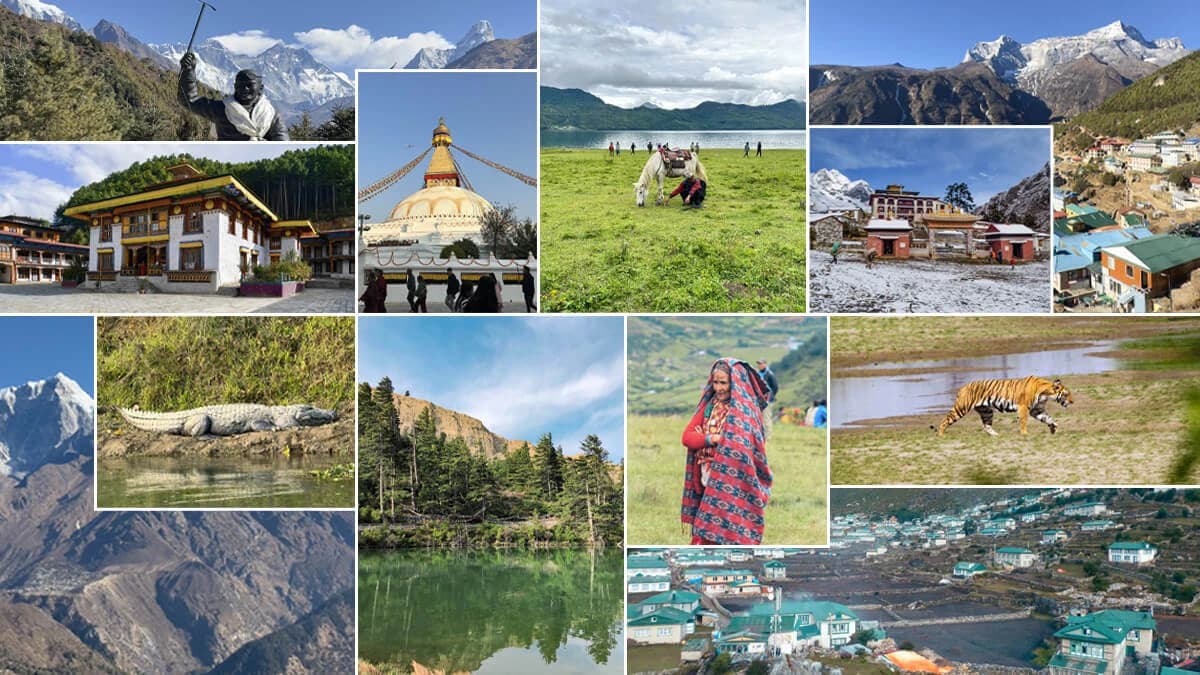
Most people who contact us don't start with a route name. They start with something like "I have ten days and I've never trekked before" or "I want Everest, but I really don't want to fly into Lukla." This page is built around those questions. Instead of sorting trips by region, we've grouped them by the kind of trip you want, so you can narrow things down in a few minutes.
If you already know where you're going, our treks by region will be quicker. If you'd rather skip trekking altogether, have a look at our Nepal tour packages.
How Do You Choose the Right Trek in Nepal?
Choose a trek by answering four questions: how many days you have, how well you handle long days at altitude, how much comfort you want at night, and whether you want famous trails or quiet ones. Once you know those answers, the list of sensible options usually drops to two or three.
- Time: count your days on the ground in Nepal, not your total holiday. Arrival, permits and the travel to and from the trailhead usually take two or three days on their own.
- Altitude: anything above about 3,500 m needs rest days built in. Everest Base Camp sits at 5,364 m, so it can't be rushed safely.
- Comfort: most routes use teahouses, which are simple family-run lodges. A few remote treks mean camping, and on the popular trails you can upgrade to better lodges.
- Crowds: Everest and Annapurna are busy in October and April. Manaslu, Tsum and Nar Phu see a fraction of the numbers.
Trek Styles at a Glance
| Trek style | Usual length | Difficulty | Good fit for |
|---|---|---|---|
| Classic Himalayan treks | 8–14 days | Moderate to challenging | A first big trek |
| Short treks | 2–8 days | Easy to moderate | Limited time, families |
| Alternative Everest treks | 9–21 days | Moderate to challenging | Avoiding Lukla or the main trail |
| High pass treks | 14–18 days | Strenuous | Experienced trekkers |
| Off the beaten path | 12–24 days | Moderate to strenuous | Quiet trails and local culture |
| Peak climbing | 16–18 days | Strenuous, technical | A first 6,000 m summit |
| Luxury and helicopter treks | 10–15 days | Moderate to challenging | More comfort, fewer walking days |
| Weddings, yoga and festivals | 9–16 days | Easy to challenging | A trip with a special purpose |
The Trek Styles, Explained
Classic Himalayan Treks
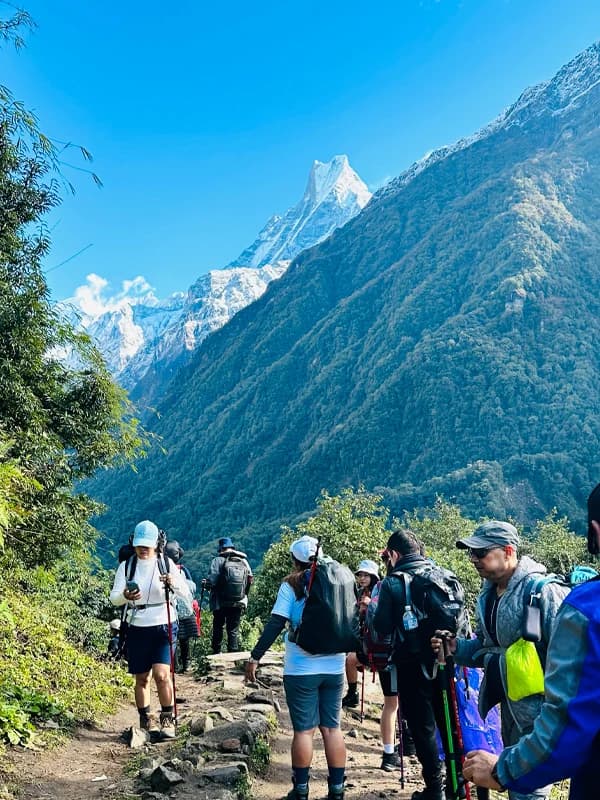
These are the treks people have heard of: Everest Base Camp, Annapurna Base Camp, the Annapurna Circuit and Poon Hill. They're popular for good reason. The trails are well marked, the teahouses are comfortable by mountain standards, and the views are as good as Nepal gets.
The trade-off is company. In peak season you'll share the trail with plenty of other trekkers, and lodges on the Everest route fill up early. If this is your first time in the Himalaya, that busy, well-supported atmosphere is often a plus. Our Everest Base Camp Trek and Annapurna Base Camp Trek are the two we're asked about most.
Short Treks
A week or less is enough for a proper Himalayan experience if you pick the right route. Most of our short treks start from Pokhara, so there's no domestic flight and very little time lost getting to the trail. The Poon Hill Sunrise Trek is the classic choice, with Dhaulagiri and the Annapurna range from a 3,210 m viewpoint. Mardi Himal from Pokhara takes you closer to the peaks in four days. From Kathmandu, the two-day Ama Yangri trek is about as quick as a real mountain trip gets.
Short treks work well for families, for anyone testing whether trekking suits them, and for travellers fitting a trek around a cultural tour or a wedding.
Alternative Everest Treks
Plenty of travellers want Everest without the standard Lukla flight and base camp route. Some are nervous about the flight, some are on their second trip to Nepal, and some just want fewer people around them.
The Everest Base Camp Trek by Road replaces the Lukla flight with a drive and a few extra walking days. Gokyo Valley swaps base camp for turquoise lakes and what many trekkers consider a better Everest view from Gokyo Ri. For a shorter, quieter option, Pikey Peak gives a wide Everest panorama in nine days with almost no crowds.
High Pass Treks
High pass treks cross one or more mountain passes, often starting before dawn and finishing late in the afternoon. They're harder than the classics, and they're also where many trekkers say they had the best days of their trip.
The Everest Three Passes Trek is the big one, linking Kongma La, Cho La and Renjo La with Everest Base Camp and Gokyo. The Annapurna Circuit with Tilicho Lake adds one of the highest lakes in the world to the Thorong La crossing. We recommend these once you've done at least one multi-day trek at altitude.
Off the Beaten Path
If quiet trails matter more to you than comfortable lodges, this is where to look. Most of these treks pass through restricted areas, where the Government of Nepal limits access. You need a special permit, a licensed guide and at least two trekkers in the group. We handle the permits; you just need to plan a little further ahead.
The Manaslu Circuit Trek is the most popular of these, with mountain scenery to rival the Annapurna Circuit and far fewer people. Upper Mustang feels closer to Tibet than to the rest of Nepal, and it stays relatively dry during the monsoon. For a real expedition, Upper Dolpo and Limi Valley are camping treks through some of the most remote country in the Himalaya.
Peak Climbing
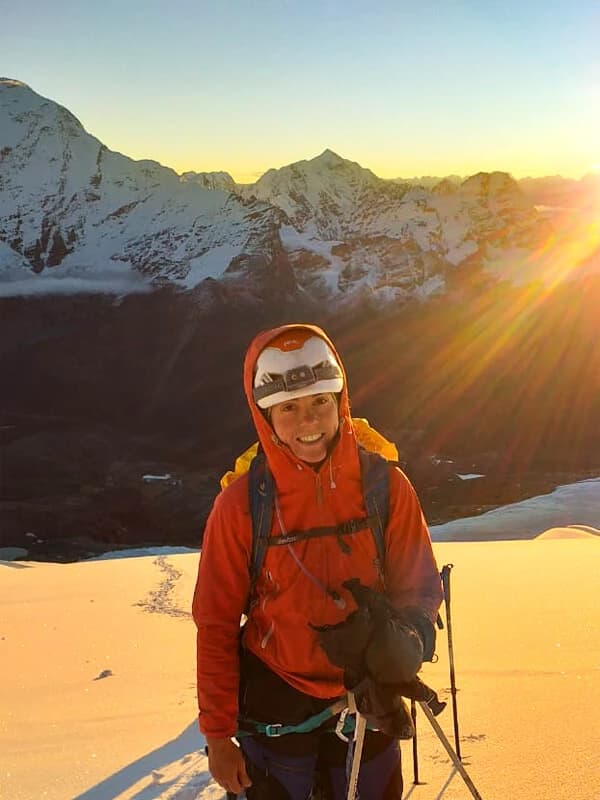
Peak climbing trips combine a trek with a guided summit of a 6,000 m peak. You'll use crampons, an ice axe and fixed ropes, and our climbing guides run a training session before the summit day. You don't need to be a mountaineer, but you should be a fit, experienced trekker who handles altitude well.
The EBC Trek with Island Peak Climb is the most popular first climb, since it pairs base camp with a 6,189 m summit. Mera Peak is higher but less technical, while Lobuche is steeper and shorter.
Luxury and Helicopter Treks
These trips cover the same famous trails with more comfort or less walking. On the luxury versions you stay in the best lodges on the route, with private rooms and better food. On the helicopter return treks you walk up to base camp and fly back out instead of retracing your steps, which saves several days.
The Everest Base Camp Helicopter Return Trek suits people short on time. The Annapurna Luxury Lodge Trek is a good pick for couples and older travellers who want the mountains without roughing it.
Weddings, Yoga and Festival Treks
Some trips have a reason behind them beyond the trail. Couples can marry in a Gurung village at Ghandruk or at Annapurna Base Camp itself. Our Annapurna Base Camp Yoga Trek includes daily practice along the way. The Mani Rimdu Festival trek times your Everest trip with the masked dances at Tengboche Monastery, which usually take place in October or November depending on the lunar calendar.
Which Trek Should You Pick? Quick Answers
- First trek, about 10 days: Ghorepani Poon Hill or Mardi Himal.
- Two weeks and you want Everest: the classic Everest Base Camp Trek.
- Two weeks and you want variety: the Annapurna Circuit, which crosses everything from rice terraces to high desert.
- You don't want to fly to Lukla: Everest Base Camp by road, or Pikey Peak.
- You want quiet trails: Manaslu Circuit, Tsum Valley or Nar Phu.
- You're travelling in June to August: Upper Mustang or Nar Phu, which sit in the rain shadow.
- You want less walking: a helicopter return trek, or one of our jeep tours.
- You want to stand on a summit: Island Peak, combined with Everest Base Camp.
When Is the Best Time to Trek in Nepal?
Spring (March to May) and autumn (September to November) are the main seasons for nearly every route. Autumn brings the clearest skies, and spring brings warmer days and rhododendrons in bloom on the lower trails. Winter (December to February) still works well for lower treks like Poon Hill, but high passes can close with snow. During the summer monsoon, most trails are wet and cloudy, so rain-shadow regions like Upper Mustang are the better bet.
One practical point for Everest: in peak season, Lukla flights often leave from Ramechhap airport rather than Kathmandu, which adds an early-morning drive of four to five hours. We build this into the itinerary so it doesn't come as a surprise.
Frequently Asked Questions
Which trek in Nepal is best for beginners?
Ghorepani Poon Hill is the best first trek for most people. It stays below 3,300 m, uses good teahouses, and gives big mountain views within a few days. Once you've done it, Mardi Himal or Annapurna Base Camp are natural next steps.
Do I need trekking experience to trek in Nepal?
Not for most routes. If you can walk five to six hours a day for several days in a row, you can do a classic trek with good preparation. High pass treks and peak climbing are the exceptions, and we recommend having at least one trek at altitude behind you first.
What is the hardest trek on this page?
Among the trekking routes, the Everest Three Passes and Kanchenjunga Base Camp treks are the most demanding, because of their length, altitude and remoteness. Upper Dolpo is also tough, with camping and long days between villages.
Can I trek alone in Nepal?
Restricted-area treks require at least two trekkers and a licensed guide. Rules for other regions have changed in recent years, so contact us and we'll confirm the current requirements for your route. Either way, we can match solo travellers with a guide or with other trekkers going the same way.
Can you change a trek to suit our group?
Yes. We regularly adjust the pace, number of days, accommodation and start date. Families, older travellers and groups with mixed fitness often need a slightly different version of a standard itinerary, and that's part of planning with us.
Not Sure Yet? Ask Us
Send us your dates, your group size and a line about your fitness and experience. We'll come back with two or three treks that actually suit you, along with an honest view of the difficulty and the best time to go. Get in touch and we'll help you plan it.