Classic Himalayan treks are the routes that made Nepal famous: Everest Base Camp, Annapurna Base Camp, the Annapurna Circuit, Poon Hill, Mardi Himal and Langtang Valley. They have the best-known views, the most established teahouses and well-marked trails, which is why most people choose one of them for their first trek in Nepal.
They are not the quietest trails. In October and April you will share them with trekkers from all over the world. For a first visit, though, that busy, well-supported atmosphere is usually a good thing. If you would rather avoid the crowds, see our other trek styles.
Classic Treks Compared
| Trek | Days | Highest point | Difficulty | Starts from |
|---|---|---|---|---|
| Ghorepani Poon Hill | 9 | 3,210 m | Easy to moderate | Pokhara |
| Mardi Himal | 9 | About 4,500 m | Moderate | Pokhara |
| Langtang Valley | 9 | 3,870 m (Kyanjin Gompa) | Moderate | Kathmandu, by road |
| Annapurna Base Camp | 9 or 12 | 4,130 m | Moderate | Pokhara |
| Annapurna Circuit | 10 or 13 | 5,416 m (Thorong La) | Challenging | Kathmandu or Pokhara, by road |
| Everest Base Camp | 8 or 14 | 5,364 m | Challenging | Lukla, by flight |
Everest Base Camp: The Big Name
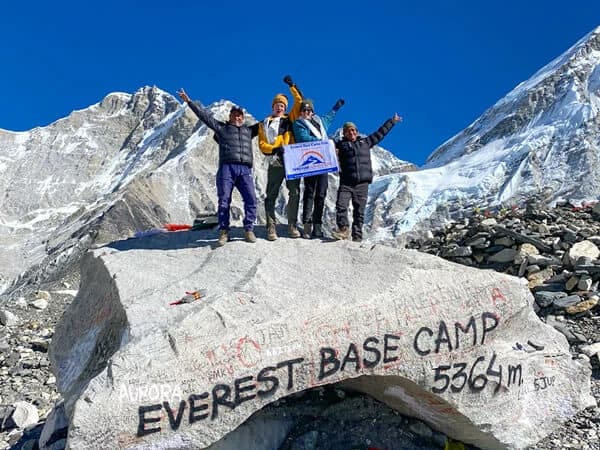
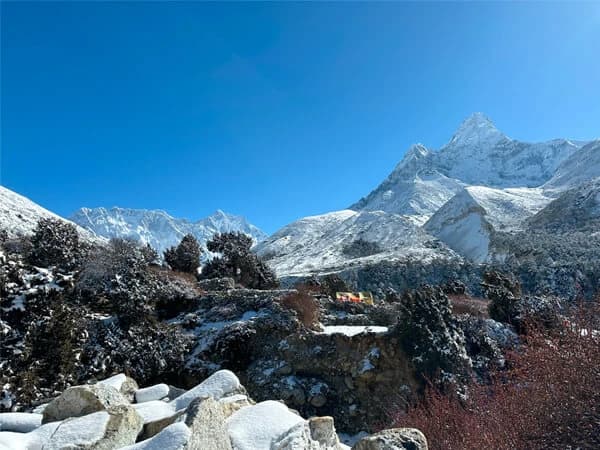
For many people, Everest Base Camp is the reason they come to Nepal. The trek follows the Khumbu Valley through Sherpa villages, past Tengboche Monastery and up to the foot of the Khumbu Icefall at 5,364 m. Most trekkers also climb Kala Patthar for the clearest view of Everest's summit, which you cannot see from base camp itself.
It is the hardest trek on this page because of altitude, not technical difficulty. Our 14-day Everest Base Camp Trek includes acclimatisation days in Namche Bazaar and Dingboche, which we would not skip. If you are fit and short on time, the 8-day Everest Base Camp Short Trek is a tighter option.
Plan for the Lukla flight. It is weather-dependent, and in peak season flights often leave from Ramechhap rather than Kathmandu, which means a very early drive. We build a buffer day into our planning for this.
Annapurna Base Camp: Mountains on Every Side
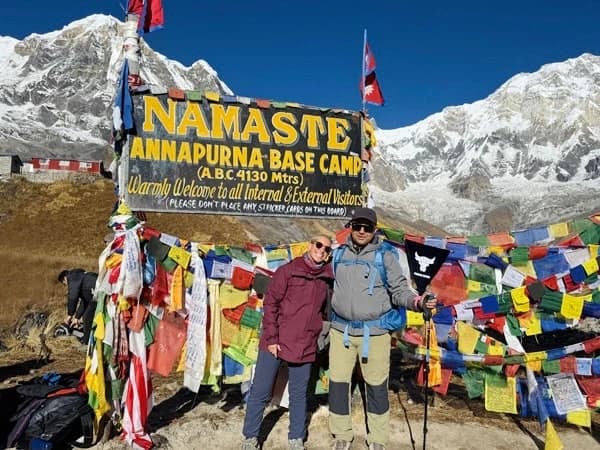
Annapurna Base Camp sits at 4,130 m in the Annapurna Sanctuary, a natural amphitheatre ringed by Annapurna I, Hiunchuli and Machapuchare. The walk in passes Gurung villages, terraced farmland, bamboo and rhododendron forest, so the scenery keeps changing until the very last day.
It is lower and shorter than Everest Base Camp, with no flight needed, which makes it a strong first choice. The 12-day Annapurna Base Camp Trek goes at a comfortable pace, while the 9-day short version suits trekkers who are already reasonably fit. Expect a lot of stone steps, especially around Chhomrong.
Annapurna Circuit: The Most Varied Trek in Nepal
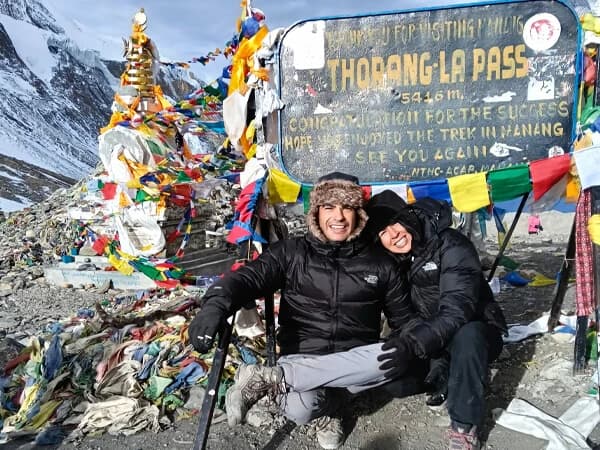
No other classic trek covers as much ground. The Annapurna Circuit starts among rice fields and waterfalls, climbs through Manang's high, dry valley, crosses the Thorong La pass at 5,416 m and drops to the temple town of Muktinath. In about two weeks you see almost every landscape Nepal has.
Roads now reach much of the lower circuit, so good itineraries drive past the dusty sections and walk the best parts. Our 13-day Annapurna Circuit Trek follows that approach. The 10-day Annapurna Circuit Trek from Pokhara is a shorter version if you are already in Pokhara. The pass day is long and cold, so this suits trekkers comfortable with altitude.
Ghorepani Poon Hill: The Best First Trek
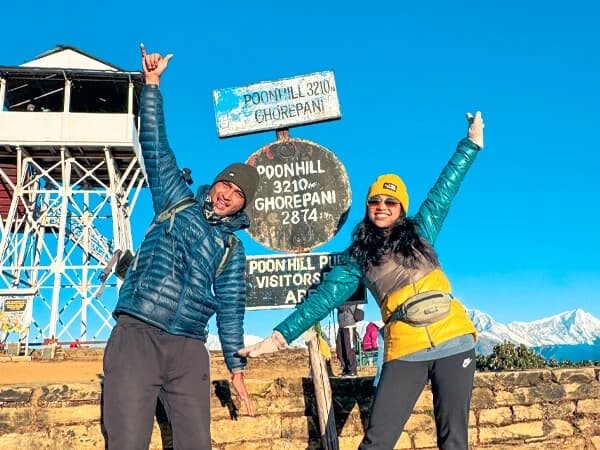
If you have never trekked before, start here. The Ghorepani Poon Hill Trek stays below 3,300 m, uses comfortable teahouses, and builds up to a sunrise over Dhaulagiri and the Annapurna range from the Poon Hill viewpoint. In spring, the rhododendron forests around Ghorepani turn red and pink.
It is also one of the few classic treks that works well in winter, when higher routes get cold and snowy. Families and older travellers often choose it for that reason.
Mardi Himal: Close-Up Views Without the Crowds
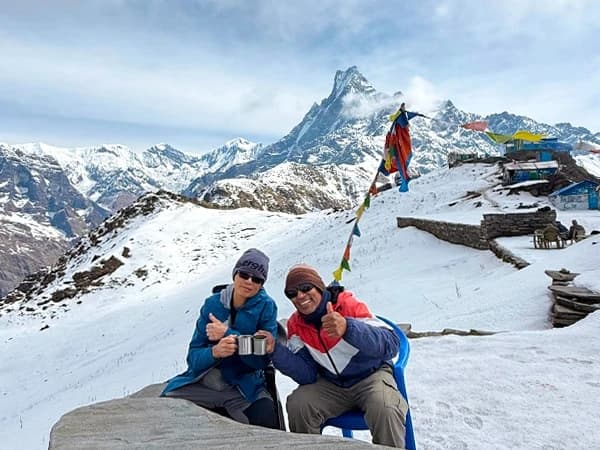
Mardi Himal is the newest route on this list and still much quieter than Annapurna Base Camp. The trail climbs a narrow ridge through forest and then open grassland, with Machapuchare, the "Fishtail" mountain, getting closer every day. From the upper viewpoints you look straight across at it.
The Mardi Himal Trek is a good choice if you want more altitude and drama than Poon Hill but do not have the time for Annapurna Base Camp. Teahouses near the top are basic, and the ridge can be windy, so warm layers matter.
Langtang Valley: The Closest Classic to Kathmandu
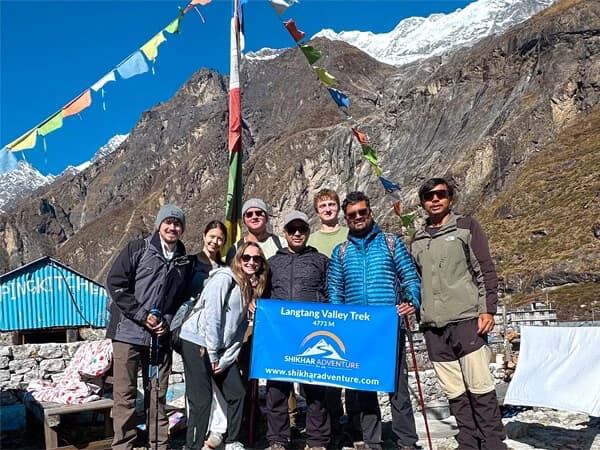
Langtang is the only classic trek you can reach from Kathmandu without a flight. A day's drive takes you to Syabrubesi, and from there the trail follows the Langtang River up into a wide glacial valley below Langtang Lirung. The villages are home to Tamang communities, and Kyanjin Gompa at the top has a small monastery and a cheese factory.
The valley was badly hit by the 2015 earthquake and has been rebuilt by the people who live there. Trekking here supports that recovery directly. The Langtang Valley Trek suits anyone short on time who wants real mountain scenery, with optional climbs to viewpoints above Kyanjin Gompa.
Which Classic Trek Is Right for You?
- First trek, or travelling with family: Ghorepani Poon Hill.
- First trek, but you want to reach a base camp: Annapurna Base Camp.
- You want to see Everest up close: Everest Base Camp, with time set aside for acclimatisation.
- You want the most variety in one trip: the Annapurna Circuit.
- You want big views with fewer people: Mardi Himal.
- You want to avoid domestic flights and long drives: Langtang Valley.
When Is the Best Time for a Classic Trek?
October and November give the clearest mountain views on every classic route, followed by March to May, when days are warmer and the rhododendrons bloom. December to February suits Poon Hill and the lower Annapurna trails, but Thorong La and the upper Everest trail get very cold and the pass can close after heavy snow. From June to August, monsoon cloud hides most views and the lower trails are muddy and leech-prone.
Frequently Asked Questions
Which classic trek in Nepal is the easiest?
Ghorepani Poon Hill is the easiest. It stays below 3,300 m, the daily walks are moderate, and the teahouses are comfortable. Most reasonably active people manage it without any trekking experience.
Is Everest Base Camp harder than Annapurna Base Camp?
Yes. Everest Base Camp is more than 1,200 m higher, which makes altitude the main challenge, and it needs more acclimatisation days. Annapurna Base Camp has more stone steps but is lower and generally easier on the body.
Do I need a guide for these treks?
We strongly recommend one, and permit rules for many trekking areas now expect it. A guide handles teahouse bookings in busy months, watches for altitude sickness and keeps you on the right trail in bad weather. Ask us about the current rules for your chosen route.
What kind of accommodation is there on classic treks?
You stay in teahouses, which are family-run mountain lodges with simple twin rooms and a shared dining room heated by a stove. Lower villages often have attached bathrooms and hot showers. Higher up, rooms get more basic and hot water costs extra.
How fit do I need to be?
You should be able to walk five to six hours a day, several days in a row, with some steep climbs. Regular walking, stair climbing or hiking for a couple of months before your trip makes a real difference, especially for Everest Base Camp and the Annapurna Circuit.
Plan Your Classic Trek With Us
Tell us how many days you have, when you want to travel and how much trekking you have done. We will suggest the classic route that fits, adjust the pace if needed, and handle permits, teahouses and transport. Contact us to start planning.