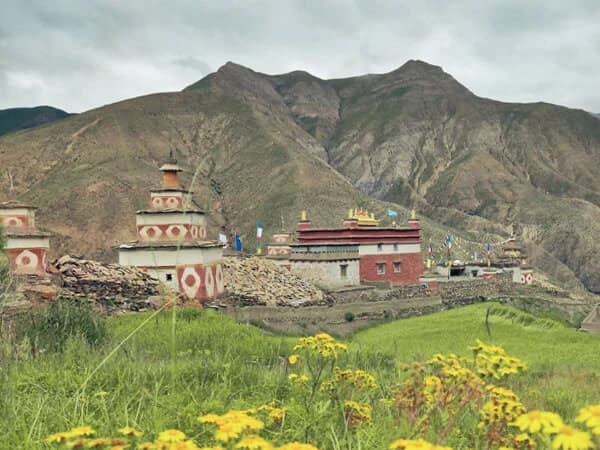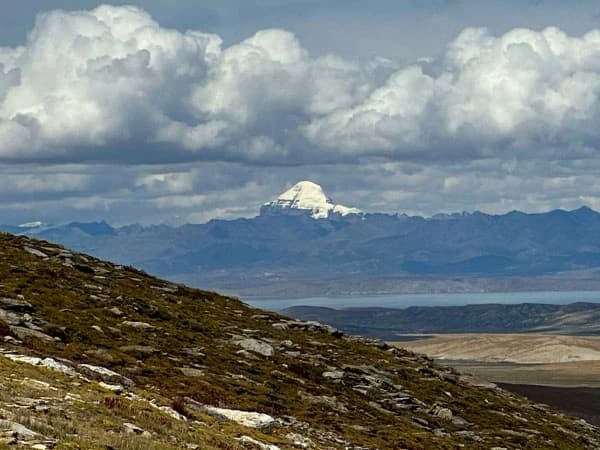
Dolpo and Humla are in Nepal's far northwest, along the Tibetan border, and they are among the most remote trekking regions in the Himalaya. There are no road links to the trailheads, few lodges, and only a handful of trekking groups each season. Treks here are fully supported camping expeditions through restricted areas, crossing high passes into valleys where Tibetan Buddhist and Bon culture is still part of daily life.
We run two treks in this region: the Upper Dolpo Trek and the Limi Valley Camping Trek in Humla. Both suit experienced trekkers who want real wilderness and are comfortable living in tents for two to three weeks.
Upper Dolpo and Limi Valley at a Glance
| Upper Dolpo Trek | Limi Valley Camping Trek | |
|---|---|---|
| Duration | 24 days | 17 days |
| District | Dolpa, Karnali Province | Humla, Karnali Province |
| Fly in to | Juphal, via Nepalgunj | Simikot, via Nepalgunj |
| Highest pass | Over 5,300 m | About 5,000 m (Nyalu La) |
| Accommodation | Camping | Camping |
| Permit | Restricted area permit | Restricted area permit |
| Difficulty | Strenuous | Challenging |
| Highlights | Phoksundo Lake, Shey Gompa, Bon villages | Halji Monastery, Limi villages, Tibet border views |
Upper Dolpo: Phoksundo Lake and the Crystal Mountain
Dolpo sits in the rain shadow behind Dhaulagiri, so it looks and feels more like the Tibetan Plateau than the green hills most people picture in Nepal. Much of the trek runs through Shey Phoksundo National Park, Nepal's largest national park and home to blue sheep and the snow leopard.
The first big moment is Phoksundo Lake, a deep turquoise lake held in by cliffs, with the village of Ringmo on its shore. From there the route climbs over high passes into Upper Dolpo, reaching Shey Gompa below the Crystal Mountain, the setting of Peter Matthiessen's book The Snow Leopard. Further on, villages like Saldang keep up the yak caravans and farming routines that have shaped Dolpo for centuries. Some of the monasteries here follow Bon, the pre-Buddhist religion of Tibet, which you rarely see practised elsewhere in Nepal.
At 24 days with several passes above 5,000 m, the Upper Dolpo Trek is the longest and hardest route we offer. It is best for trekkers who have already done at least one high-altitude trek.
Humla and the Limi Valley: Nepal's Hidden Corner
Humla is Nepal's northwesternmost district, and the Limi Valley tucks right up against the Tibetan border. The trek starts in Simikot, the district headquarters, and follows an old trading route north before crossing the Nyalu La into the valley.
The three Limi villages, Til, Halji and Jang, are built in stone and wood in the Tibetan style. Halji's Rinchenling Gompa is one of the oldest monasteries in the region and still the centre of village life. Wildlife sightings are common: blue sheep on the slopes, and with luck, wild yaks or Tibetan wild asses near the border.
The Limi Valley Camping Trek is shorter than Upper Dolpo but just as remote. It also suits travellers interested in the Kailash region, since the route passes close to Hilsa, the border crossing used on the overland route to Mount Kailash.
How Do You Get to Dolpo and Humla?
Both regions start with a flight from Kathmandu to Nepalgunj, in the lowlands near the Indian border. From there, small planes fly to Juphal for Dolpo or Simikot for Humla, usually early in the morning when the weather is calmest.
Mountain flights in western Nepal are often delayed by wind or cloud. We build spare days into every itinerary for this, and we recommend you don't book an international flight home for the day after your trek ends.
What Permits Do You Need?
Upper Dolpo and the Limi Valley are restricted areas, which means:
- You need a special restricted area permit, issued only through a registered trekking agency.
- You must trek with a licensed guide.
- There must be at least two trekkers in the group.
Dolpo also needs a Shey Phoksundo National Park entry permit. The Upper Dolpo permit is one of the most expensive in Nepal, with a fixed fee for the first ten days and a daily charge after that. We arrange all permits for you and include them in the trip cost, so there are no surprises.
What Is a Camping Trek Like?
There are almost no teahouses on these routes, so we bring everything with us. A typical crew includes a guide, a cook and kitchen team, and porters or pack animals to carry tents, food and fuel.
Each afternoon the crew sets up camp before you arrive. You sleep in a two-person tent on a proper mattress, eat in a dining tent, and start the day with tea brought to your tent. Meals are cooked fresh by our kitchen team. It is simpler than lodge trekking, but many trekkers find it the most memorable way to travel in the Himalaya.
When Is the Best Time to Trek in Dolpo and Humla?
The trekking season runs from about May to October. Because both regions lie in the rain shadow, they get far less rain than central Nepal during the summer monsoon, which makes June to September a good time to go when most other trails are wet. September and October bring clear skies and colder nights. From November to April, heavy snow closes the high passes and most villagers move to lower ground.
Who Are These Treks For?
Dolpo and Humla suit trekkers who:
- have done at least one multi-day trek at altitude, ideally above 4,500 m
- are happy camping for two to three weeks with no hot showers or Wi-Fi
- want quiet trails, traditional villages and big, empty landscapes
- can travel with flexible dates around weather-dependent flights
If you want remote country but with teahouses, look at our off the beaten path treks such as Manaslu, Tsum Valley or Upper Mustang.
Frequently Asked Questions
Is Upper Dolpo harder than Everest Base Camp?
Yes. Upper Dolpo is longer, crosses several passes above 5,000 m, and involves camping in remote country with no lodges to fall back on. Everest Base Camp reaches a similar altitude but follows a well-supported teahouse trail.
Can I trek Dolpo or Humla on my own?
No. Both are restricted areas, so you need a registered agency, a licensed guide and at least two trekkers. If you are travelling alone, contact us and we will try to match you with another trekker on the same dates.
Can I trek in Dolpo or Humla during the monsoon?
Yes. Both regions sit in the rain shadow, so June to August is one of the better times to go. The main risk is flight delays into Juphal or Simikot, which is why we add spare days.
Is there mobile signal or internet on these treks?
Coverage is limited to a few larger villages and is unreliable. For emergencies, our guides carry communication equipment and can arrange a helicopter evacuation if needed.
What insurance do I need?
You need travel insurance that covers trekking at high altitude and helicopter rescue. Check that your policy covers the highest point on your route, which is over 5,000 m on both treks.
Plan Your Dolpo or Humla Trek
Treks in Dolpo and Humla take more planning than most, from permits and flights to camping logistics. Tell us your preferred dates and trekking experience, and we will help you choose between Upper Dolpo and the Limi Valley and handle the rest. Contact us to start planning.