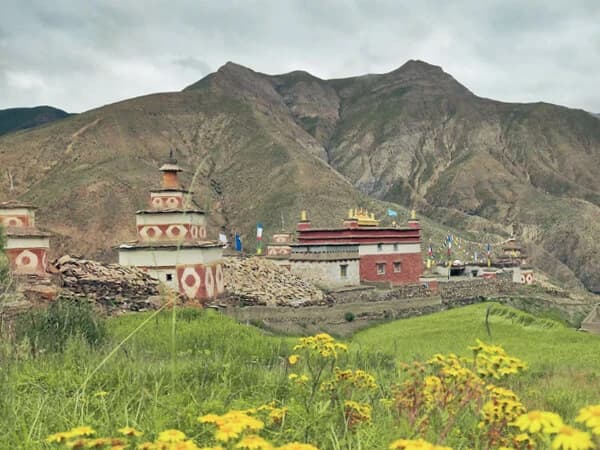
Off the beaten path treks in Nepal take you to valleys that see a fraction of the trekkers on the Everest and Annapurna trails. Most of them are in restricted areas, where the government limits access to protect local culture and the environment. That keeps numbers low, and it's why villages in Tsum, Nar Phu, Upper Mustang and Dolpo still feel closer to Tibet than to the busy lodges further south.
The trade-off is simpler facilities, longer journeys to the trailhead and a bit more planning. If quiet trails, monasteries and real village life matter more to you than hot showers and bakeries, these are the treks to look at.
Off the Beaten Path Treks Compared
| Trek | Days | Highest point | Accommodation | Restricted permit | Difficulty |
|---|---|---|---|---|---|
| Khopra Ridge | 12 | 4,500 m (Khayar Lake) | Guesthouses | No | Moderate |
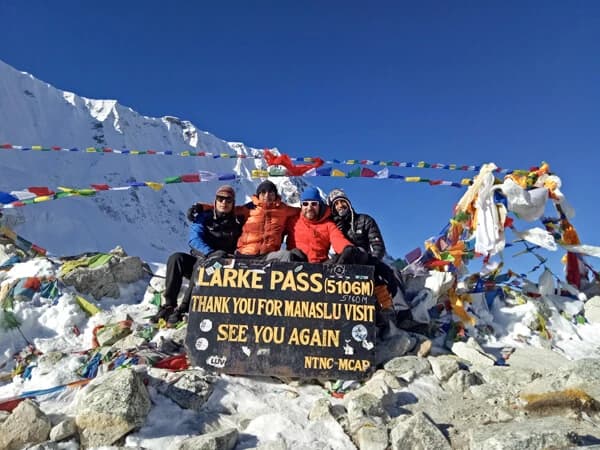
| Manaslu Circuit | 14 | 5,106 m (Larkya La) | Teahouses | Yes | Moderate to strenuous |
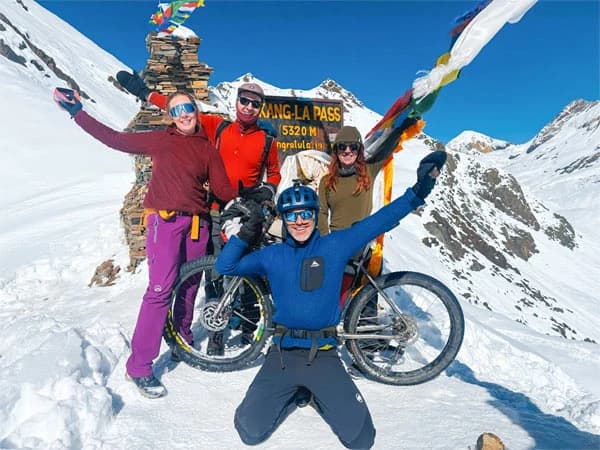
| Nar Phu Valley | 15 | 5,320 m (Kang La) | Teahouses | Yes | Challenging |
| Tsum Valley | 16 | 3,700 m (Mu Gompa) | Teahouses | Yes | Moderate |
| Upper Mustang | 16 | 4,010 m (Nyi Pass) | Guesthouses | Yes | Moderate |
| Limi Valley | 17 | 4,760 m (Nyalu La) | Camping | Yes | Strenuous |
| Manaslu Tsum Valley | 19 | 5,106 m (Larkya La) | Teahouses | Yes | Strenuous |
| Kanchenjunga Base Camp | 22 | 5,143 m (Pangpema) | Basic teahouses | Yes | Strenuous |
| Upper Dolpo | 24 | 5,306 m (Kang La) | Camping | Yes | Strenuous |
Manaslu and Tsum Valley
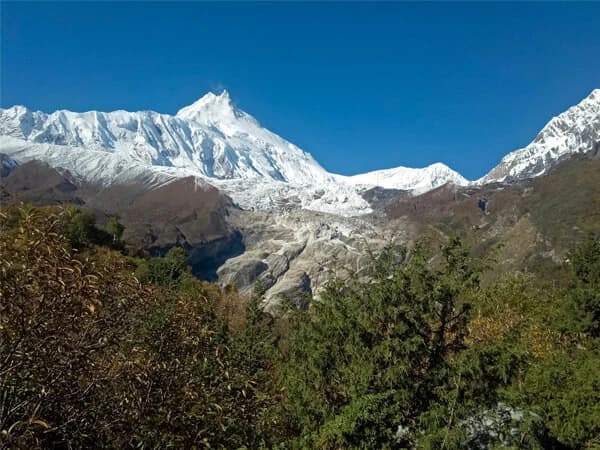
The Manaslu region is the best place to start if you want fewer people without giving up teahouses. The Manaslu Circuit Trek starts with a drive to Machha Khola and follows the Budhi Gandaki gorge north around Manaslu, the world's eighth-highest mountain. The landscape changes from subtropical villages to Tibetan Buddhist settlements like Lho and Samagaun, before the long crossing of the Larkya La at 5,106 m. Many trekkers who have done both say it matches the Annapurna Circuit for scenery, with far less traffic and no road along most of the route.
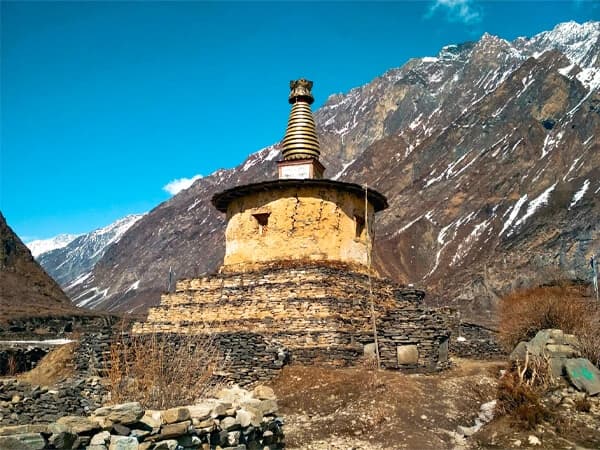
The Tsum Valley Trek branches off the same trail into a hidden Buddhist valley that only opened to trekkers in 2008. There's no high pass. Instead you walk past mani walls and chortens to Rachen Gompa and Mu Gompa at 3,700 m, and visit caves linked to the Buddhist saint Milarepa. It's one of the most rewarding cultural treks in Nepal at a moderate altitude.
If you have the time, the Manaslu Tsum Valley Trek combines both in 19 days.
Nar Phu and Upper Mustang: Tibet Behind the Annapurnas
North of the Annapurna range, the land dries out and the culture becomes Tibetan. The Nar Phu Valley Trek leaves the Annapurna Circuit trail at Koto and climbs through narrow canyons to the stone villages of Phu and Nar, both above 4,000 m. Yak herds, old monasteries and very few visitors make it feel a long way from the main circuit, even though it's right next door. The route crosses the Kang La at 5,320 m and rejoins the Annapurna Circuit near Manang.
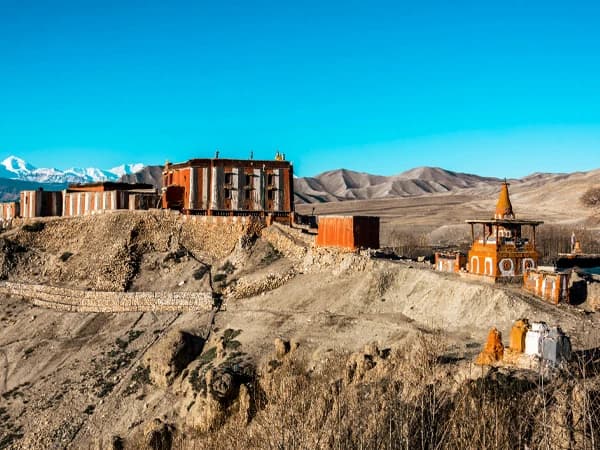
The Upper Mustang Trek starts with a flight from Pokhara to Jomsom and heads north through red cliffs and eroded canyons to Lo Manthang, the walled capital of the former Kingdom of Lo. Along the way you pass cave dwellings, centuries-old monasteries and villages that see few outsiders. The altitude stays mostly below 4,000 m, so it's less physically demanding than it looks, but the dry, windy conditions take some getting used to.
Khopra Ridge: Quiet Trails Without a Special Permit
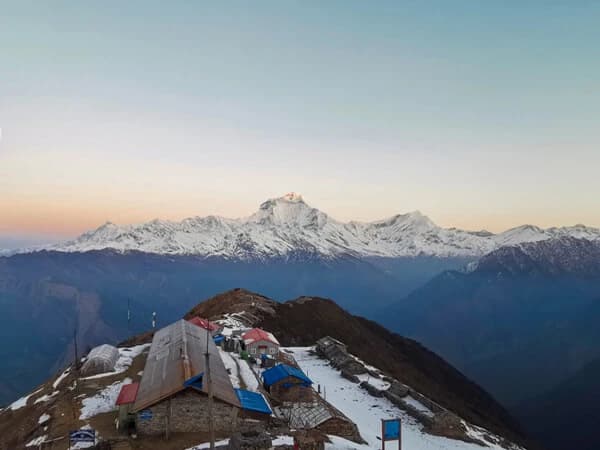
Not every quiet trek needs a restricted area permit. The Khopra Ridge Trek leaves the busy Poon Hill route and climbs to a grassy ridge facing Dhaulagiri, with an optional hike to the sacred Khayar Lake at 4,500 m. You'll stay in simple guesthouses and still visit Gurung villages like Ghandruk, but the upper ridge sees only a handful of trekkers each day. It's a good choice if you want solitude in the Annapurna region without the extra permits or long journeys.
Kanchenjunga Base Camp: Nepal's Far East
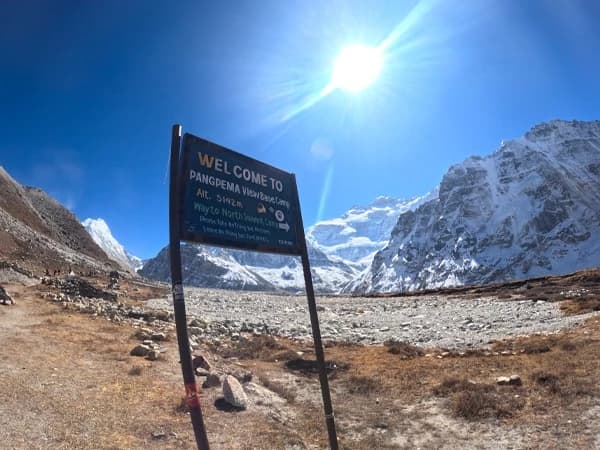
The Kanchenjunga Base Camp Trek is one of the longest and most remote teahouse treks in Nepal. You fly to Bhadrapur in the east, drive to Taplejung, and then spend around three weeks walking to both the north base camp at Pangpema (5,143 m) and the south base camp at Oktang, below the world's third-highest mountain.
Teahouses here are basic, especially above Ghunsa, and the days are long. In return, you get huge glaciers, dense forests and a region that very few trekkers reach. We recommend it for experienced trekkers with plenty of time.
Upper Dolpo and Limi Valley: Full Camping Expeditions
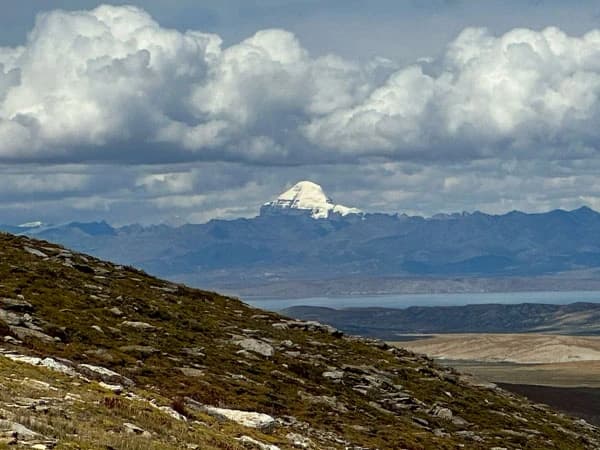
For real wilderness, the far west of Nepal has no equal. The Upper Dolpo Trek passes turquoise Phoksundo Lake, crosses three high passes and visits Bon and Buddhist monasteries in a landscape that looks like the Tibetan Plateau. The Limi Valley Camping Trek starts in Simikot and follows an old trade route to stone villages near the Tibetan border.
Both are tented camping treks with a full crew, and both start with small-plane flights from Nepalgunj. Read more on our Dolpo and Humla page.
Which Off the Beaten Path Trek Should You Choose?
- Fewer crowds but still teahouses and a big pass: Manaslu Circuit.
- Culture and monasteries without extreme altitude: Tsum Valley or Upper Mustang.
- Somewhere quiet without a restricted permit: Khopra Ridge.
- Tibetan villages and a high pass: Nar Phu Valley.
- A long, remote teahouse trek: Kanchenjunga Base Camp.
- A full camping expedition: Upper Dolpo or Limi Valley.
What Is a Restricted Area Permit?
Some regions of Nepal, mostly along the Tibetan border, are classed as restricted areas. To trek in them:
- You need a restricted area permit, which only a registered trekking agency can apply for.
- You must trek with a licensed guide.
- There must be at least two trekkers in the group.
Most of these treks also need a conservation area or national park permit. Fees vary a lot between regions, and Upper Mustang and Upper Dolpo are among the most expensive. We arrange every permit and include them in our trip prices.
When Is the Best Time to Go?
Spring (March to May) and autumn (September to November) are best for nearly all of these treks, especially those with high passes like Manaslu, Nar Phu and Kanchenjunga. Upper Mustang, Upper Dolpo and the Limi Valley sit in the rain shadow, so they get much less rain than the rest of Nepal and are often trekked in early summer as well. Winter brings heavy snow to the high passes, and many villages in these regions empty out as people move to lower ground.
Frequently Asked Questions
What is the least crowded trek in Nepal?
Upper Dolpo, the Limi Valley and Kanchenjunga Base Camp see the fewest trekkers of any routes we run. Among teahouse treks with good facilities, Tsum Valley and Nar Phu are very quiet compared with Everest and Annapurna.
Is the Manaslu Circuit better than the Annapurna Circuit?
For quiet trails, yes. Both have similar scenery and a pass above 5,000 m, but the Manaslu Circuit has far fewer trekkers and no road along most of the route. The Annapurna Circuit has better facilities and doesn't need a restricted area permit.
Can I do a restricted area trek alone?
No. You need at least two trekkers and a licensed guide. If you're travelling solo, contact us and we'll try to pair you with another trekker on the same dates.
Are off the beaten path treks harder than classic treks?
Not always. Tsum Valley and Upper Mustang are moderate. The harder part is often the logistics: longer drives, small-plane flights and simpler accommodation. Routes like Upper Dolpo and Kanchenjunga are genuinely strenuous and need previous trekking experience.
How far ahead should I book?
We recommend at least six to eight weeks, so there is time to arrange restricted area permits and domestic flights. For autumn departures, earlier is better.
Plan Your Off the Beaten Path Trek
Tell us how much time you have, what kind of trip you want and how much trekking you've done. We'll suggest the quiet route that fits, handle the permits and logistics, and pair you with a guide who knows the region well. Contact us to start planning.